Skip to content
The Chicago Today
Quantum Aerospace
  • Home
  • Current News
  • Explore & Enjoy
  • Sports
  • Sound & Screen
  • Sip & Savor
  • Style & Innovation
  • Editors Take
Trending
July 25, 2026Angel Reese Barbie Unveiled: The WNBA Star’s New Milestone July 24, 2026Chicago Shooting Spree Leaves 5 Dead, Including 13-Year-Old July 24, 2026Chicago Gospel Music Festival Returns to Millennium Park July 24, 2026Trump Links Saudi Nuclear Deal to Israel Normalization July 23, 2026Y2K Revival: ASI Show Chicago 2026 Apparel Trends Unveiled July 23, 2026Ella Langley Matches Mariah & Whitney in Historic 14-Week #1 Run July 23, 2026Kane’s Back: Blackhawks Ink 3-Time Champion to $16M Deal July 23, 2026Netflix’s 300-Title AI Overhaul: The Future of Streaming July 22, 2026Chicago Gourmet 2026: The Culinary Event of the Year Returns July 22, 2026Chicago’s Final 2026 Business Expo: Soul & Smoke Takes Stage
The Chicago Today
The Chicago Today
  • Home
  • Current News
  • Explore & Enjoy
  • Sports
  • Sound & Screen
  • Sip & Savor
  • Style & Innovation
  • Editors Take
  • Blog
  • Forums
  • Shop
  • Contact
The Chicago Today
  Sports  Illinois Lawmakers Voice Strong Caution on Bears’ $2.4 Billion Stadium Funding Bid
Sports

Illinois Lawmakers Voice Strong Caution on Bears’ $2.4 Billion Stadium Funding Bid

Natalie ScottNatalie Scott—March 21, 20250
FacebookX TwitterPinterestLinkedInTumblrRedditVKWhatsAppEmail

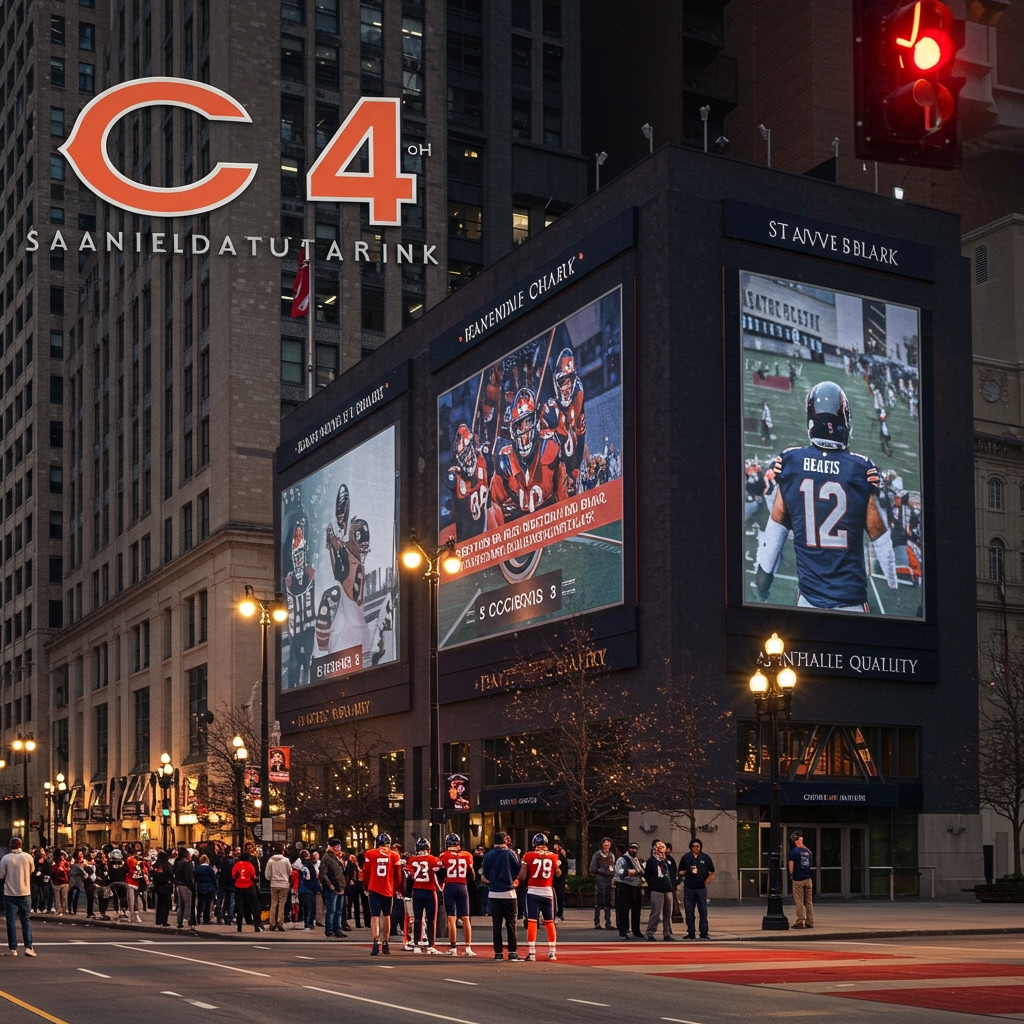
SPRINGFIELD, IL – Following the highly anticipated reveal of the Chicago Bears’ ambitious $4.7 billion vision for a domed stadium and entertainment district along the city’s iconic lakefront, key legislative leaders in Illinois on Friday, March 21, 2025, expressed significant reservations regarding the team’s accompanying request for a substantial public contribution. The Bears’ proposal, which outlines a need for $2.4 billion in state and local taxpayer funds to support the transformative project, immediately met with a cautious reception in the state capital.

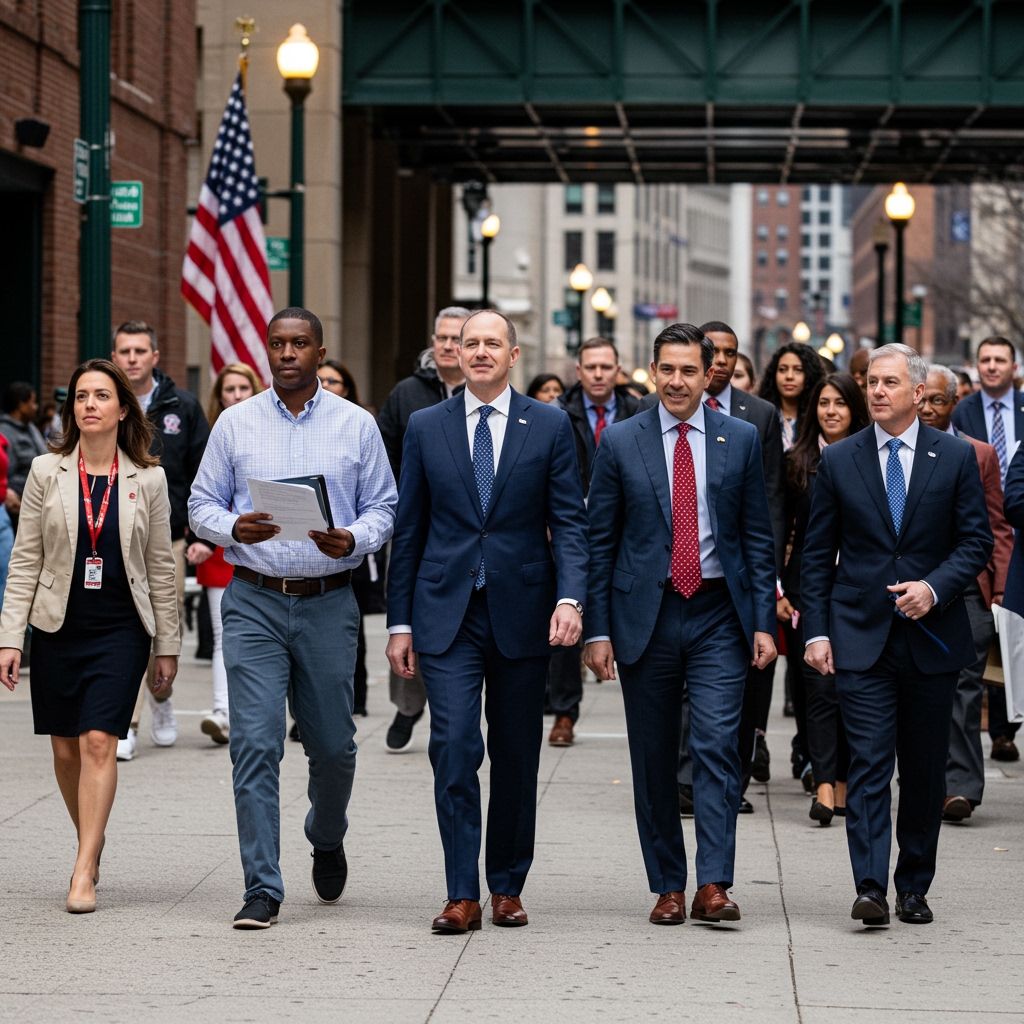
Leaders representing both the Illinois House of Representatives and the Illinois State Senate issued statements and comments indicating that the magnitude of the public funding component necessitates rigorous scrutiny and broad public engagement. The lawmakers emphasized that a financial commitment of this scale from the state treasury cannot be made lightly and must undergo a transparent and thorough review process.
More stories
Bears Unveil Revised $2.4 Billion Stadium Plan, Boost Private Funding After Legislative Scrutiny

Bears Unveil Revised $2.4 Billion Stadium Plan, Boost Private Funding After Legislative Scrutiny

March 25, 2025
Key Illinois House Committee Advances Bill to Study Taxpayer Funding for Bears Lakefront Stadium

Key Illinois House Committee Advances Bill to Study Taxpayer Funding for Bears Lakefront Stadium

February 18, 2025
Bears Lakefront Stadium Vote Delayed Amid Financial and Access Concerns

Bears Lakefront Stadium Vote Delayed Amid Financial and Access Concerns

June 5, 2025
Illinois Lawmakers Voice Strong Caution on Bears' $2.4 Billion Stadium Funding Bid

Illinois Lawmakers Voice Strong Caution on Bears’ $2.4 Billion Stadium Funding Bid

March 21, 2025

The core of the legislative skepticism appears to stem from fundamental questions about fiscal responsibility and state priorities. Concerns were explicitly raised regarding the potential for diverting state funds – which are allocated to critical areas such as education, healthcare, infrastructure, and social services – towards a professional sports facility. Legislators highlighted the ongoing budgetary pressures faced by the state and the inherent competition for limited resources, suggesting that a massive investment in a stadium could come at the expense of other vital public needs.

Furthermore, questions were posed about the long-term financial viability and structure of the proposed stadium authority model that would presumably oversee the project and manage the public debt. Stadium authorities are governmental or quasi-governmental entities often created to finance, construct, and operate sports venues, typically through issuing bonds backed by specific revenue streams or, in some cases, by the state’s credit. Lawmakers indicated a need to understand the detailed financial projections, debt repayment plans, and potential risks associated with this model, especially concerning the state’s exposure and potential future liabilities over the decades the debt would be outstanding. Past experiences with publicly financed sports facilities in various jurisdictions, including cost overruns and uncertain economic impacts, often inform such legislative caution.

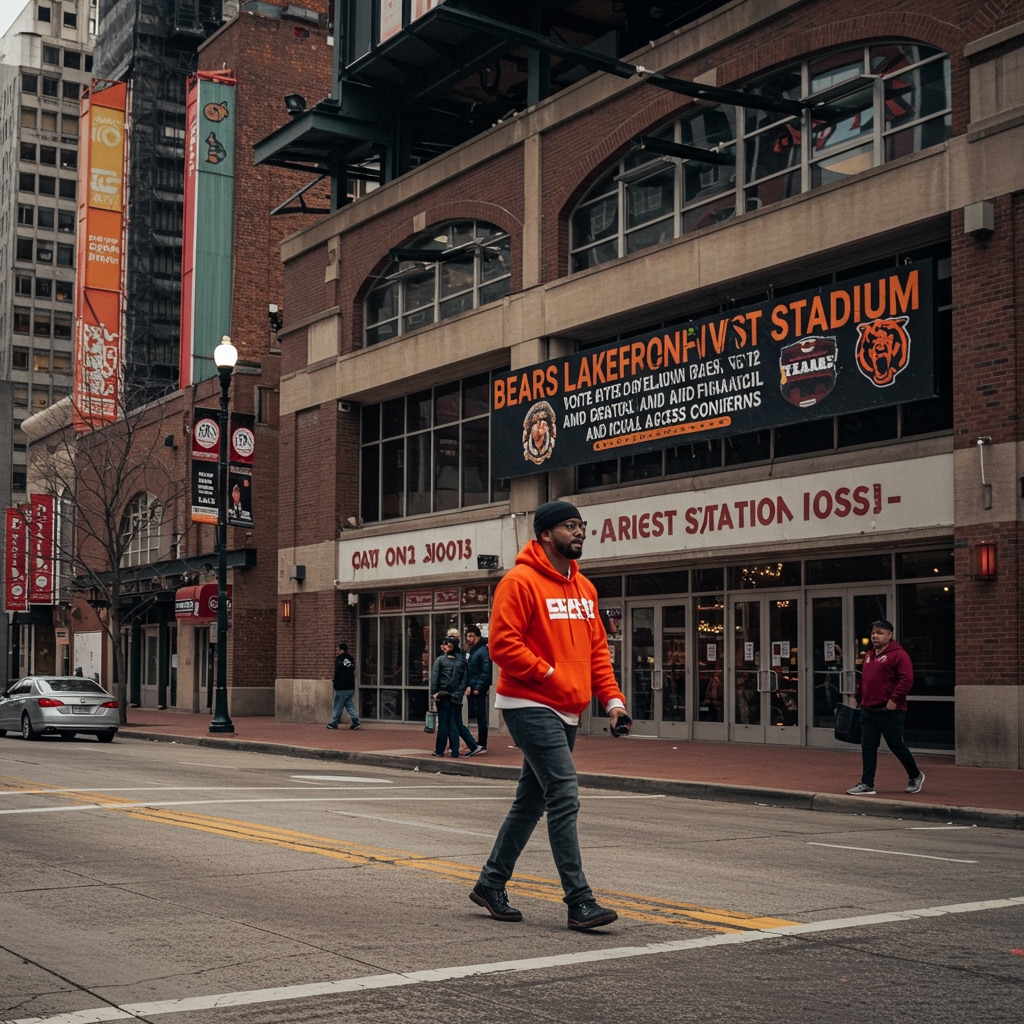
The Bears’ lakefront proposal, unveiled with considerable fanfare, envisions replacing the historic Soldier Field with a modern, enclosed stadium surrounded by parkland and entertainment facilities. The team has argued that the project would provide significant economic benefits, create jobs, and enhance Chicago’s status as a global city. However, legislative leaders signaled that these potential benefits must be weighed against the direct cost to taxpayers and the opportunity cost of not investing those funds elsewhere.

The $2.4 billion public funding request represents slightly more than half of the total estimated project cost, a proportion that immediately drew attention in Springfield. While proponents of publicly funded stadiums often cite economic multipliers and increased tax revenues generated by the facility and associated development, critics, including many lawmakers, point to studies suggesting that the economic impact of sports stadiums is often overstated and does not justify the public investment compared to other forms of economic development or direct public spending.

Legislative calendars in Springfield are typically packed with debates over the state budget, pressing policy issues, and constituent concerns. Introducing a large-scale, potentially controversial funding package for a private entity like a professional sports team requires significant political capital and face time with a diverse group of legislators who represent different regions and priorities across the state. The initial reaction suggests that building consensus for the Bears’ proposal will be an uphill battle.

No immediate legislative action was indicated on Friday, March 21, 2025, nor was any commitment made by state leaders to champion or fast-track the Bears’ funding request. The statements from the House and Senate leadership collectively signaled that the proposal is, at this stage, merely a starting point for a lengthy conversation – one that will require extensive justification from the team and careful deliberation within the General Assembly. The lack of an immediate embrace underscores the deep fiscal considerations and competing demands on state resources that will shape the debate over potentially committing billions of dollars in public funds to the project.

The path forward for the Chicago Bears’ $2.4 billion funding request in Springfield appears challenging. The concerns voiced by key lawmakers reflect a broader public and governmental hesitancy to commit large sums of taxpayer money to privately owned sports franchises without clear, demonstrable, and independently verifiable public benefits and robust financial safeguards. The coming months are expected to involve intense lobbying efforts by the Bears and rigorous questioning from legislators as the proposal navigates the complex political and budgetary landscape of Illinois.

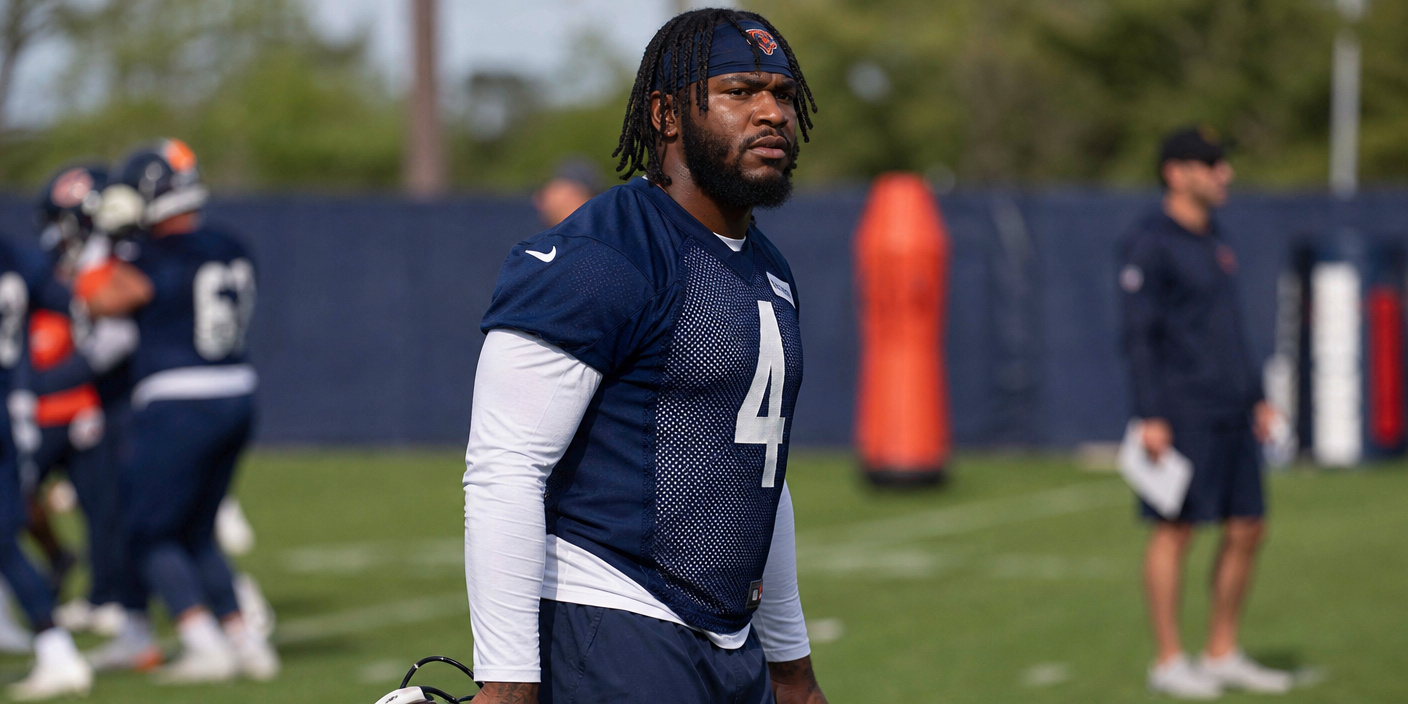
illinoisstadium
FacebookX TwitterPinterestLinkedInTumblrRedditVKWhatsAppEmail

Natalie Scott

Natalie Scott is a versatile journalist who covers a wide array of topics, including technology, business, lifestyle, and culture. Her work appears in numerous reputable publications, where she delivers insightful analysis and engaging storytelling that resonates with diverse audiences. Known for her ability to seamlessly navigate different subjects, Natalie brings depth and clarity to every story she tackles. Beyond her professional pursuits, she enjoys traveling, exploring new cuisines, and staying up-to-date with the latest trends, all of which inspire her dynamic writing. Connect with Natalie on LinkedIn or follow her on Twitter to stay updated on her latest articles and insights.

Chicago Fashion Week-Art Institute Partnership Hailed as “Game Changer” for Local Designers
Chicago Details Path Forward for Wicker Park, River North 4 AM Bar Pilot Program
Related posts
  • Related posts
  • More from author
Sports

Angel Reese Barbie Unveiled: The WNBA Star’s New Milestone

July 25, 20260
Sports

Kane’s Back: Blackhawks Ink 3-Time Champion to $16M Deal

July 23, 20260
Sox Lead Division, Draft Top Talent
Sports

Sox Lead Division, Draft Top Talent

July 13, 20260
Load more
Read also
Sports

Angel Reese Barbie Unveiled: The WNBA Star’s New Milestone

July 25, 20260
Featured

Chicago Shooting Spree Leaves 5 Dead, Including 13-Year-Old

July 24, 20260
Explore & Enjoy

Chicago Gospel Music Festival Returns to Millennium Park

July 24, 20260
Current News

Trump Links Saudi Nuclear Deal to Israel Normalization

July 24, 20260
Style & Innovation

Y2K Revival: ASI Show Chicago 2026 Apparel Trends Unveiled

July 23, 20260
Sound & Screen

Ella Langley Matches Mariah & Whitney in Historic 14-Week #1 Run

July 23, 20260
Load more
Recent Posts
  • Angel Reese Barbie Unveiled: The WNBA Star’s New Milestone July 25, 2026
  • Chicago Shooting Spree Leaves 5 Dead, Including 13-Year-Old July 24, 2026
  • Chicago Gospel Music Festival Returns to Millennium Park July 24, 2026
  • Trump Links Saudi Nuclear Deal to Israel Normalization July 24, 2026
  • Y2K Revival: ASI Show Chicago 2026 Apparel Trends Unveiled July 23, 2026

    # TRENDING

    chicago20252026aiFashionStreamingreviewaccountabilityinnovationfundingfestivalmusicnetflixalbumculinaryactionacquisitionnascarhululineup
    © 2024 All Rights Reserved by Chicago Today
    • Contact
    • Cookie Policy
    • Privacy Policy
    The Chicago Today
    Manage Consent
    To provide the best experiences, we use technologies like cookies to store and/or access device information. Consenting to these technologies will allow us to process data such as browsing behavior or unique IDs on this site. Not consenting or withdrawing consent, may adversely affect certain features and functions.
    Functional Always active
    The technical storage or access is strictly necessary for the legitimate purpose of enabling the use of a specific service explicitly requested by the subscriber or user, or for the sole purpose of carrying out the transmission of a communication over an electronic communications network.
    Preferences
    The technical storage or access is necessary for the legitimate purpose of storing preferences that are not requested by the subscriber or user.
    Statistics
    The technical storage or access that is used exclusively for statistical purposes. The technical storage or access that is used exclusively for anonymous statistical purposes. Without a subpoena, voluntary compliance on the part of your Internet Service Provider, or additional records from a third party, information stored or retrieved for this purpose alone cannot usually be used to identify you.
    Marketing
    The technical storage or access is required to create user profiles to send advertising, or to track the user on a website or across several websites for similar marketing purposes.
    • Manage options
    • Manage services
    • Manage {vendor_count} vendors
    • Read more about these purposes
    View preferences
    • {title}
    • {title}
    • {title}