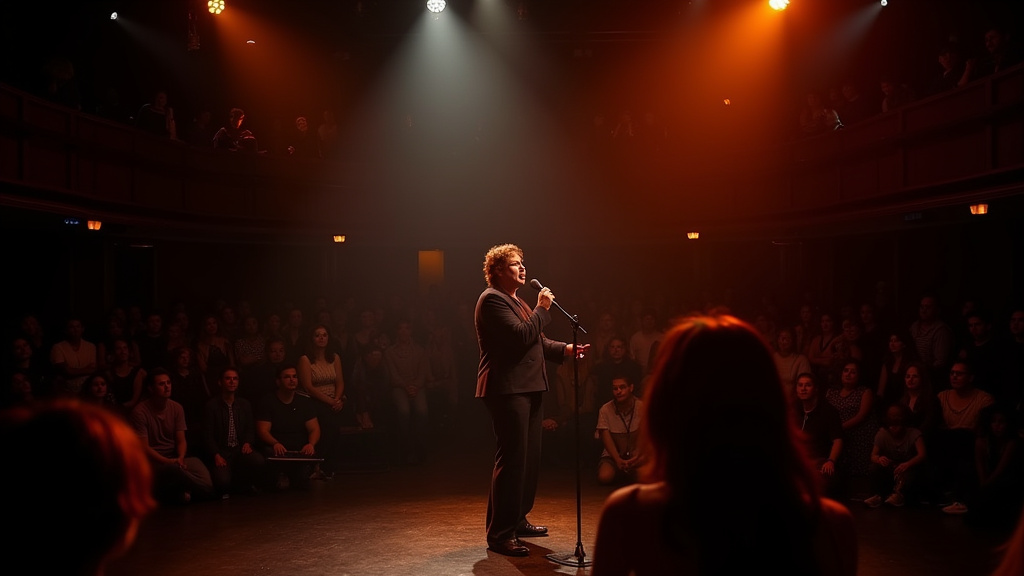
The anticipation surrounding My Chemical Romance has reached a fever pitch following the definitive closure of their ‘Long Live: The Black Parade’ North American tour. On October 17, 2024, at the Frost Bank Center in San Antonio, Texas, frontman Gerard Way offered fans the most significant update to date regarding the band’s future creative endeavors. While the tour served as a celebration of the band’s iconic 2006 conceptual masterpiece, the finale was underscored by a forward-looking statement that has ignited global speculation: a clear, verbal confirmation of the band’s desire to record a new studio album, widely referred to by the fanbase as ‘MCR5’.
For nearly a decade, the topic of a fifth studio record has existed as a phantom in the music industry—a subject of relentless internet rumors, cryptic social media posts, and fan-driven theories. Way’s address to the San Antonio crowd stripped away the ambiguity, signaling that the creative gears of My Chemical Romance are turning once again. The declaration serves as the first substantial acknowledgement from the band that the era of reunion touring, which began in 2019, may finally be pivoting toward the creation of new music.
The Legacy of ‘Long Live: The Black Parade’


The 2024 tour was not merely a series of concerts; it was a cultural touchstone that re-contextualized the band’s impact on modern rock. By performing ‘The Black Parade’ in its entirety, Gerard Way, Frank Iero, Mikey Way, and Ray Toro demonstrated that the emotional resonance of their music has only deepened with time. The tour, which saw massive attendance figures and sold-out arenas across North America, proved that the band’s demographic has expanded far beyond their original mid-2000s fanbase.
This nostalgic victory lap was crucial for several reasons. It allowed the band to reconnect with their identity after their 2013 dissolution and subsequent return. It solidified their status as legacy artists who still possess the capability to command massive venues, providing the economic and creative stability required to approach a new studio project with the confidence it demands. The ‘Black Parade’ tour served as the bridge between the band’s past, which defined a generation, and a potential future that remains largely unwritten.
The Mythology of ‘MCR5’
To understand the magnitude of Gerard Way’s comments in San Antonio, one must consider the sheer volume of discourse surrounding ‘MCR5’. Since the release of their fourth studio album, ‘Danger Days: The True Lives of the Fabulous Killjoys’ (2010), fans have meticulously scrutinized every public move by the band members for clues. From the subtle imagery in their reunion tour stage design to the cryptic social media teases, the ‘MCR5’ rumors have become their own sub-genre of music journalism.
Historically, the band has been notoriously protective of their creative process. The pressure of following up a juggernaut like ‘The Black Parade’ or the colorful, chaotic world-building of ‘Danger Days’ is immense. However, the band’s current maturity, coupled with the individual creative explorations of members like Gerard Way—who has seen significant success in comic book writing and television production—suggests that any new material will likely be untethered from the commercial constraints that often plague reunions. The ‘MCR5’ project represents more than just a new album; it represents the band reclaiming their own creative narrative in an era where the definition of ‘rock stardom’ has fundamentally changed.
Future Soundscapes and Industry Context
Looking ahead, the prospect of a new My Chemical Romance album raises fascinating questions about the band’s sonic trajectory. Modern music production has evolved significantly since the early 2010s, with a heavy emphasis on genre-blending, digital textures, and hyper-pop sensibilities. My Chemical Romance has always been a band that defied simple genre categorization, blending elements of punk, glam rock, theater, and electronic music.
Industry analysts suggest that if the band moves forward with ‘MCR5’, they will likely sidestep trends to forge a sound that feels authentically ‘My Chemical Romance.’ The current industry landscape, which has seen a resurgence in guitar-driven music and a renewed appreciation for high-concept storytelling, is arguably the perfect environment for their return. As labels like Warner Records navigate the changing tides of the music business, a new album from one of the most recognizable and influential bands of the 21st century would be a significant commercial asset, but for the band, it is clearly an artistic necessity.
By confirming their desire to create, the band has effectively shifted the conversation from ‘if’ they will return to the studio to ‘when.’ The San Antonio finale wasn’t just the end of a tour; it was the launchpad for a new creative era.