The Chicago Cubs have officially bolstered their starting rotation, finalizing a high-stakes deal with 29-year-old Japanese right-handed pitcher Hiromi Itoh to anchor their pitching staff for the upcoming season. This acquisition marks a significant shift in the North Siders’ offseason strategy, signaling a commitment to depth and international scouting proficiency as they look to capitalize on a competitive window in the National League Central. The addition of Itoh, a proven workhorse in Nippon Professional Baseball (NPB), provides the Cubs with a versatile arm capable of mitigating the volatility often associated with mid-rotation starters.
Key Highlights
- The Signing: The Chicago Cubs have finalized an agreement to sign 29-year-old Japanese right-handed pitcher Hiromi Itoh.
- Rotation Depth: Itoh is expected to slot immediately into the Cubs’ starting rotation, providing immediate stability and strike-throwing capability.
- Proven Track Record: Coming from the Hokkaido Nippon-Ham Fighters, Itoh brings a resume of elite command and a versatile pitch mix, including a high-velocity fastball and a signature splitter.
- Strategic Shift: The signing underscores the Cubs’ front office focus on international talent and high-upside pitching to compete in the crowded NL Central.
Strengthening the North Side: The Strategic Impact of Hiromi Itoh
Scouting the Skillset: A Deep Dive into the Pitching Repertoire
Hiromi Itoh enters the Major League Baseball (MLB) ecosystem with a reputation as one of the most reliable arms in Japan. Unlike many transition projects that rely on raw power, Itoh’s value proposition lies in his elite command and pitch sequencing. Scouting reports from his tenure with the Hokkaido Nippon-Ham Fighters highlight a pitcher who consistently pounds the zone, reducing walks and inducing weak contact—a vital skill set for a pitcher moving to the hitter-friendly confines of Wrigley Field.
His primary weapon is a four-seam fastball that sits comfortably in the 93-96 mph range, but it is his secondary offerings that have generated significant interest among MLB talent evaluators. The splitter is widely considered his out-pitch, featuring sharp, late-breaking movement that mirrors his fastball tunnel early in the flight path, making it exceptionally difficult for batters to identify the pitch until it is too late. Furthermore, his development of a sharp slider has allowed him to neutralize right-handed batters effectively, a crucial tactical advantage in an NL Central division filled with right-leaning lineups.
The Transition to the MLB Mound: Challenges and Adjustments
While the analytical profile of Hiromi Itoh is impressive, the transition from NPB to MLB is rarely seamless. The primary adjustments facing the 29-year-old right-hander are structural: the baseballs used in MLB have different seam heights and tacky characteristics compared to the NPB ball, which can impact spin rate and movement profiles on breaking pitches. Additionally, the workload management differs significantly. In Japan, starting pitchers often operate on a six-day rotation with a focus on heavy pitch counts, whereas MLB rotations typically operate on a five-day cycle with more reliance on specialized bullpens.

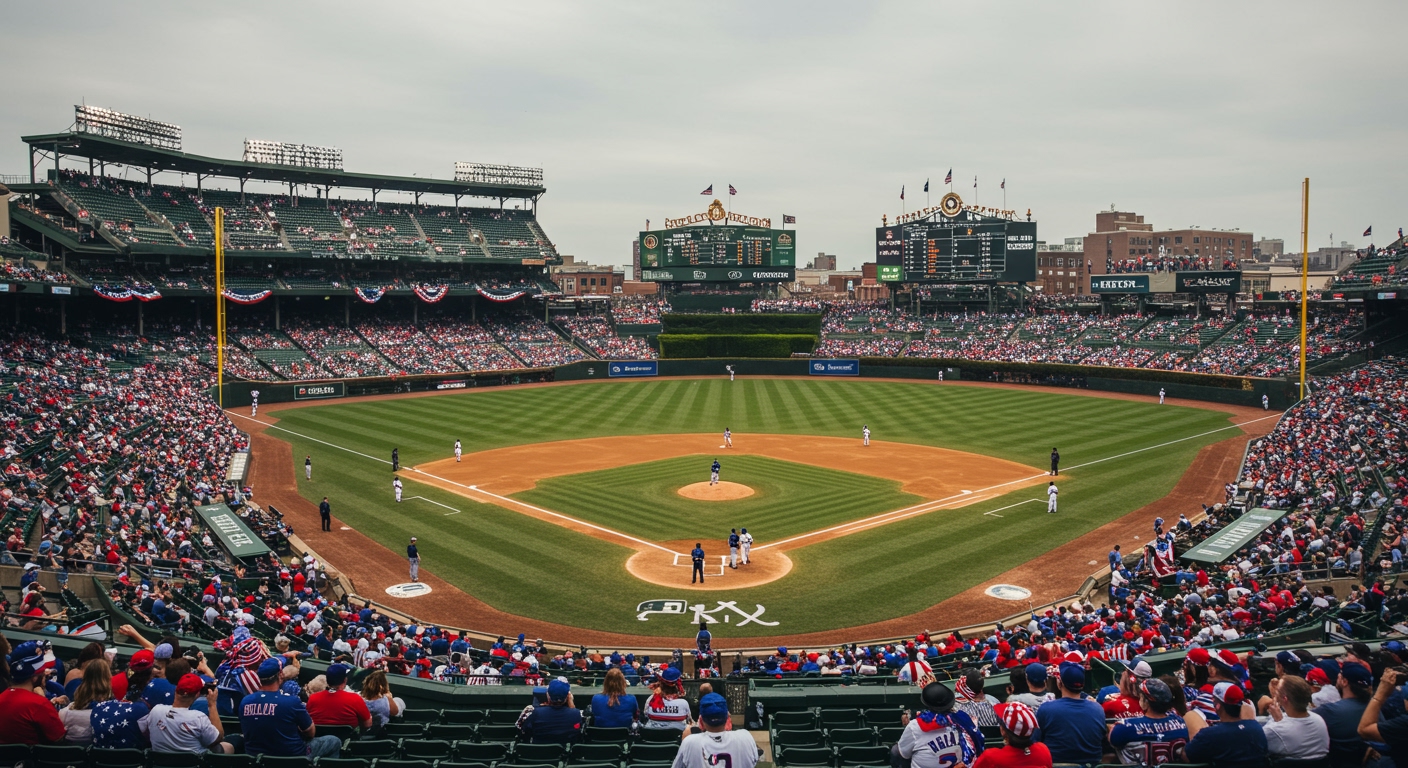

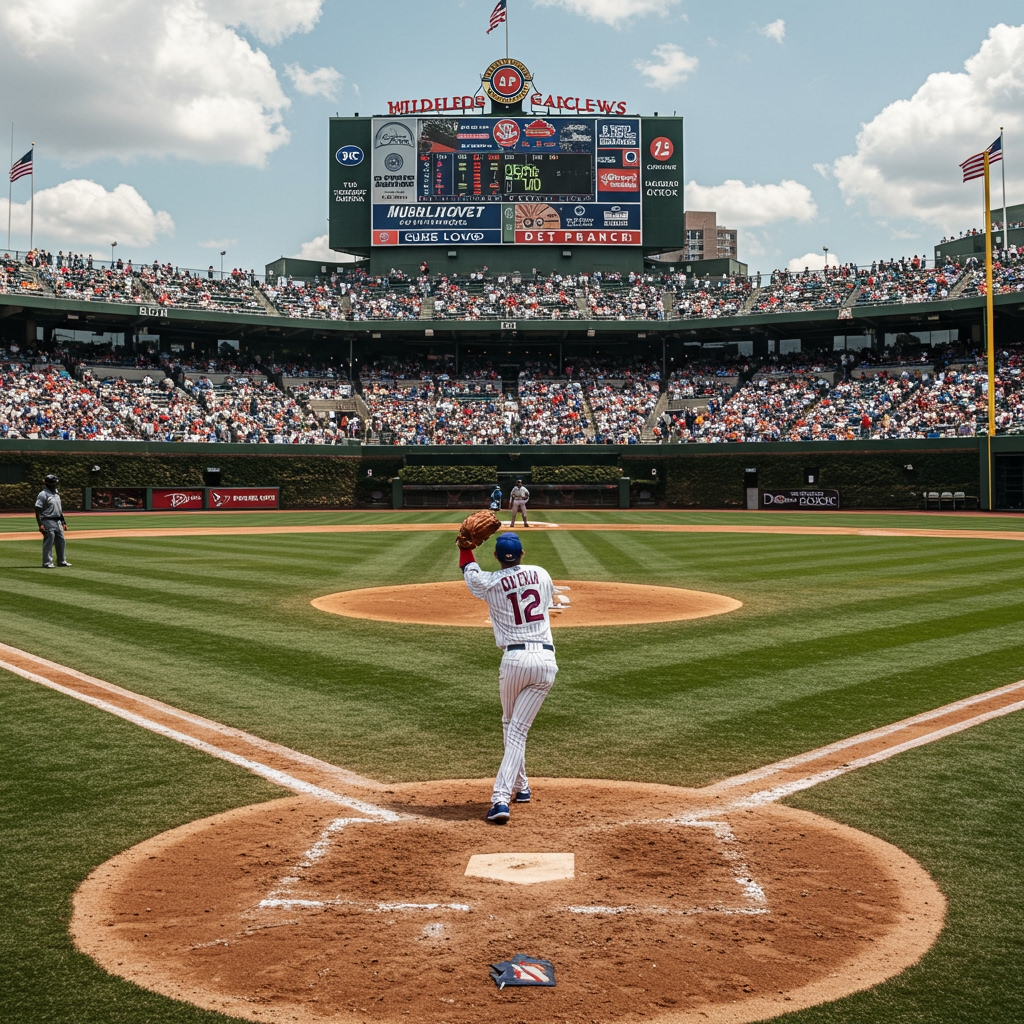
Cubs pitching coaches are expected to implement a tailored conditioning program for Itoh to acclimatize his arm to the rigors of the five-day MLB schedule. However, his maturity and experience in high-leverage situations in Japan suggest a high probability of successful adaptation. If Itoh can maintain his command efficiency—specifically his ability to command the inner half of the plate—he should prove a stable presence in the middle of the rotation, allowing the Cubs’ front office to be more flexible with their bullpen usage in the later innings.
Financial Strategy and the Competitive Landscape
This signing is part of a larger, calculated expenditure strategy for the Chicago Cubs. By securing an established pitcher like Itoh, the Cubs are effectively bypassing the inflated costs of the current free-agent starting pitcher market. Rather than engaging in potential bidding wars for aging veterans, the front office, led by Jed Hoyer, has once again turned its eyes toward the Pacific Rim, utilizing the posting system and international signing structures to find cost-efficient, high-performance assets.
From a competitive standpoint, this move has immediate ramifications for the NL Central. The Milwaukee Brewers and St. Louis Cardinals have traditionally built their success around reliable, if not spectacular, starting pitching. By adding Itoh, the Cubs are signaling an intent to match that stability. The impact on the rotation’s WAR (Wins Above Replacement) projection is immediate; replacing league-average production with an arm of Itoh’s caliber could account for a projected 1.5 to 2.0 win increase over the course of a 162-game season. This margin of error is often the difference between a Wild Card spot and missing the postseason entirely.
Looking Toward the 2025 Campaign and Beyond
As spring training approaches, the spotlight will be squarely on how Itoh integrates with the existing veteran leadership of the clubhouse. The expectation is that he will serve as a stabilizing force, providing length and consistency that was occasionally lacking in the 2024 season. If Itoh replicates his NPB performance metrics—maintaining a low walk rate and keeping the ball on the ground—he will likely be viewed as one of the most successful international signings of the year. The Cubs have made their move; now, the focus shifts to the mound, where the real test of this strategic gamble will take place in front of the Wrigley faithful.
FAQ: People Also Ask
How does Hiromi Itoh’s pitching style compare to other Japanese pitchers in the MLB?
Itoh profiles more as a command-first, high-IQ pitcher rather than a pure power-stuff pitcher. While he possesses good velocity, his success is built on pitch tunneling—specifically the ability to make his splitter and fastball look identical out of his hand, which is similar to the approach used by other successful Japanese imports who have relied on deception and control over pure velocity.
Does this signing impact the Cubs’ payroll flexibility for other positions?
Yes, by acquiring an international player with a manageable contract structure rather than pursuing the top-tier of the free-agent market, the Cubs preserve significant capital. This allows the organization to remain flexible, potentially addressing offensive needs or bullpen depth later in the off-season without crossing luxury tax thresholds.
What are the specific risks associated with this signing?
The primary risk is the ‘adaptation gap.’ The shift to the MLB ball and the travel schedule of the United States can be physically taxing. While Itoh has a durable track record in the NPB, the adjustment to the intensity of MLB hitters, who may have more familiarity with the style of pitching he provides, will be the ultimate barometer of his success.
When will Hiromi Itoh make his debut?
While the official schedule is determined by the manager and pitching coach, Itoh is expected to participate fully in spring training. Barring any setbacks during the preseason, he is a primary candidate for the opening rotation, likely making his debut during the first or second week of the regular season.