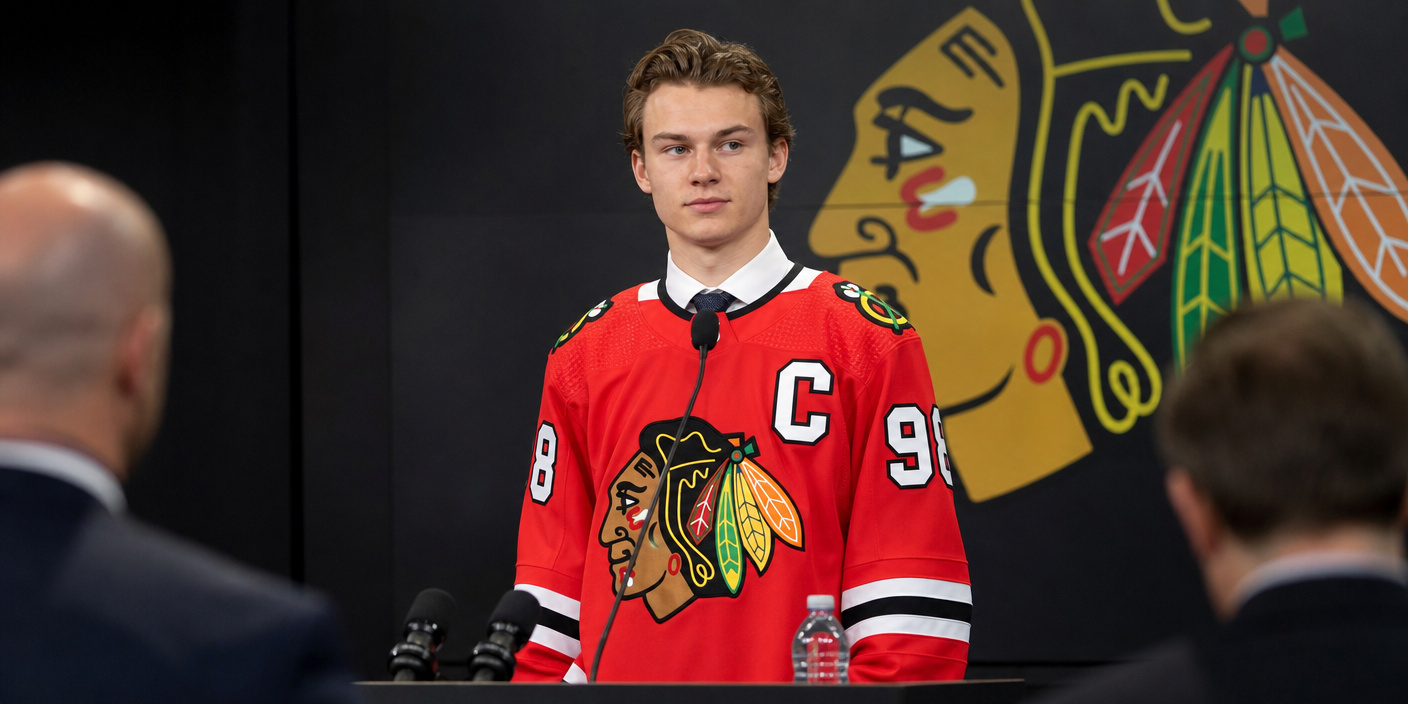
In a definitive move that signals the future direction of the Chicago Blackhawks, the organization has officially named 21-year-old phenom Connor Bedard as the 37th captain in the team’s storied history. This announcement, effective for the commencement of the 2026-27 season, marks a significant transition in leadership, occurring directly on the heels of the departure of former captain Nick Foligno, who has been traded to the Minnesota Wild. Complementing this changing of the guard is the high-profile return of franchise legend Patrick Kane, who will serve as an alternate captain, providing a bridge between the team’s historical success and its high-potential future.
Key Highlights:
- Connor Bedard officially appointed as the 37th captain in Chicago Blackhawks history at age 21.
- The leadership transition follows the trade of former captain Nick Foligno to the Minnesota Wild.
- Franchise icon Patrick Kane has rejoined the organization and will serve as an alternate captain.
- The changes are set to take full effect for the opening of the 2026-27 NHL campaign.
A New Era: Bedard Takes the Captaincy
The appointment of Connor Bedard as captain is more than a mere organizational formality; it is a declaration of intent. Since his arrival, Bedard has been the focal point of the Blackhawks’ rebuilding strategy, displaying the kind of offensive prowess and ice vision that typically matures over years of professional development. By entrusting the captaincy to the 21-year-old at this juncture, the Blackhawks are signaling complete confidence in his ability to lead the locker room not just by example on the ice, but by setting the professional standard for a young, hungry roster. The weight of the “C” in Chicago is immense, with a legacy that includes some of the greatest leaders in the history of the sport, yet those within the organization believe Bedard possesses the emotional maturity to handle the scrutiny and the responsibility that accompanies the title.
The Tactical Shift: Foligno’s Departure and the Minnesota Move
The trade of Nick Foligno to the Minnesota Wild serves as the catalyst for this leadership shuffle. While Foligno’s impact on the Blackhawks during his tenure was undeniable—providing veteran stability and guidance to younger players, including Bedard himself—the decision to move him signals that the team is shifting its primary focus toward its core of emerging youth. The Minnesota Wild acquire a seasoned leader, while Chicago frees up salary cap space and creates a clear, unobstructed path for the next generation to establish their own internal hierarchy. This transaction reflects the cold, calculating nature of the NHL’s business side, where even respected leaders can be moved when the strategic timeline demands a pivot toward younger, higher-ceiling talent.
The Return of Patrick Kane
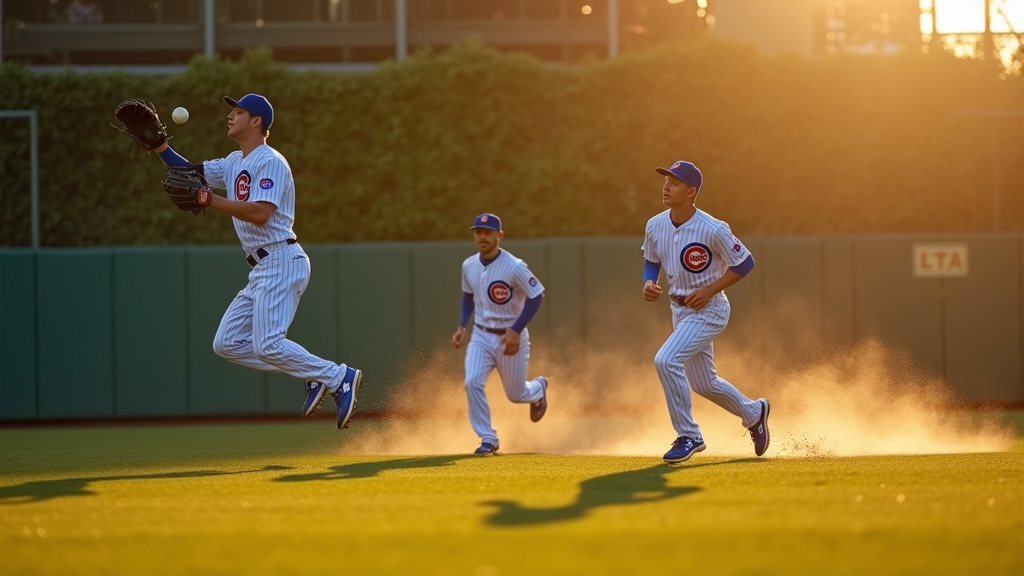
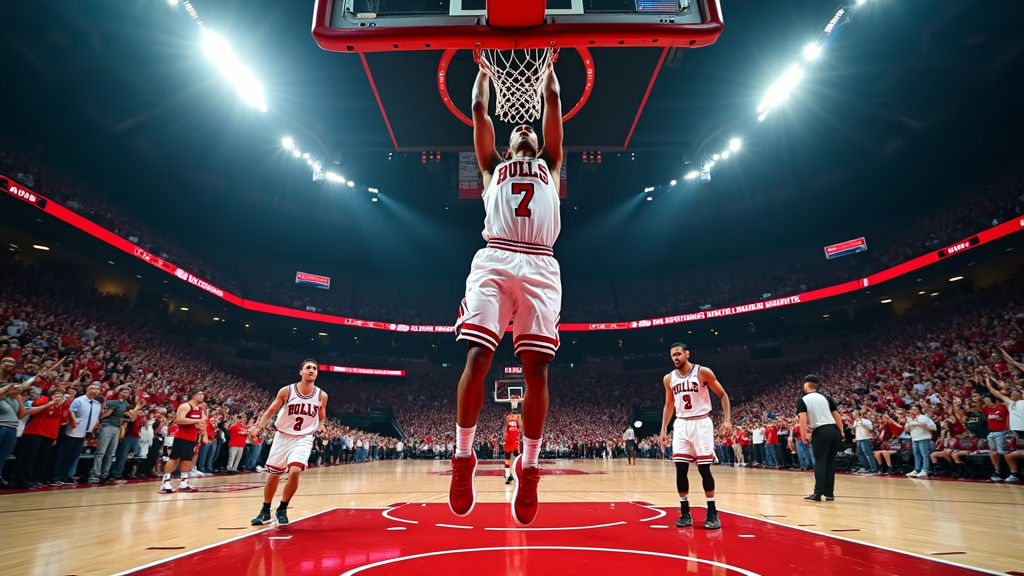


Perhaps the most dramatic element of this leadership overhaul is the return of Patrick Kane. The prodigal son of Chicago hockey, whose previous tenure defined an era of championships, re-enters the United Center not as the primary centerpiece, but as a sage mentor. Being named an alternate captain is a perfect alignment of his veteran status and his desire to contribute to a franchise where he is a deity. For Bedard, the presence of Kane is a luxury. Having a future Hall of Famer in the room, someone who understands exactly what it takes to perform under the lights of Chicago, will be invaluable as Bedard navigates the pressures of his first season with the captaincy. This dynamic creates a “best of both worlds” scenario: the explosive energy of a young captain coupled with the institutional wisdom of an experienced alternate.
Preparing for the 2026-27 Campaign
The 2026-27 season is now poised to be one of the most highly anticipated in recent Blackhawks history. The team’s identity will be tested early, as the transition in leadership often results in a period of adjustment. The coaching staff will have the difficult task of integrating this new structure, ensuring that while Bedard has the autonomy to lead, the veteran voices—led by Kane—remain integral to the team’s tactical philosophy. Fans can expect a team that plays with a chip on its shoulder, fueled by the excitement of a new captain and the nostalgia of a returning hero. The front office’s clear commitment to this specific leadership structure suggests they are not looking to “rebuild” indefinitely, but rather to “compete” starting immediately, with the objective of returning to playoff contention.
Developing a Culture of Excellence
Leadership development is a cornerstone of any championship franchise. By naming Bedard, the team isn’t just picking their best player; they are cultivating a culture where the star player is also the standard-bearer for work ethic and accountability. Throughout NHL history, captains who grow up with their teams tend to foster stronger locker room bonds. Bedard has an opportunity to define the Blackhawks’ culture for the next decade. His relationship with the coaching staff, his communication with the media, and his daily interaction with his teammates will set the tone for the 2026-27 season and beyond. The shift is complete, the hierarchy is established, and now the real work begins on the ice.
FAQ: People Also Ask
1. Why was Connor Bedard chosen as captain at age 21?
Bedard was chosen because the Blackhawks organization believes he has displayed the professional maturity and work ethic required to lead, despite his youth. The move is designed to empower their franchise cornerstone and cement his role as the face of the team for the long term.
2. What role will Patrick Kane play with the team?
Patrick Kane has been named an alternate captain. His role will be to provide veteran leadership, mentorship to younger players, and high-level skill experience as the team aims to improve its competitiveness in the 2026-27 season.
3. How does the trade of Nick Foligno affect the locker room?
While Foligno was a respected mentor, his trade creates a clear leadership vacuum that allows Bedard to step into the captaincy fully. It also marks a strategic shift for the Blackhawks, prioritizing younger, developing players while gaining assets from the Minnesota Wild.
4. Is this the first time the Blackhawks have had a young captain?
While the Blackhawks have historically valued experience in their captaincy, the organization has always prioritized leadership quality over tenure. Bedard’s appointment represents a modern shift, acknowledging that in today’s NHL, leadership can be driven by a team’s best players regardless of age.
5. What are the expectations for the 2026-27 season?
With Bedard as captain and Kane providing veteran support, the goal for the 2026-27 season is to make a significant leap in the standings and compete for a playoff spot, signaling the end of the initial rebuild phase.