Lou Malnati’s Pizzeria has confirmed plans to expand its footprint into St. Charles, Illinois, with the development of a new 6,200-square-foot restaurant located at 3050 E. Main St. This upcoming establishment, slated for a late October 2026 opening, marks the 71st location for the iconic Chicago-based deep-dish chain. More than just a simple expansion, this site serves as the flagship for the company’s new, comprehensive brand refresh, signaling a shift in how the legacy brand intends to interact with modern suburban markets.
Key Highlights
- Strategic Expansion: The St. Charles location at 3050 E. Main St. represents the 71st unit in the Lou Malnati’s portfolio.
- Modern Footprint: The space spans 6,200 square feet, designed to accommodate significant dine-in traffic while optimizing delivery operations.
- Brand Evolution: This site is the first to debut the company’s new brand refresh, updating the aesthetic and customer journey for the iconic pizzeria.
- Timeline: Construction and permitting are currently underway, with a targeted public opening date set for late October 2026.
The Evolution of the Chicago Deep-Dish Standard
The arrival of Lou Malnati’s in St. Charles is a testament to the enduring popularity of Chicago-style deep-dish pizza, but the specific details regarding this opening reveal a calculated move toward modernization. For decades, the brand has relied on a consistent, traditionalist approach to its dining rooms—dark wood, comfortable booths, and memorabilia that leans heavily on the history of the Malnati family and Chicago sports. However, the move into the St. Charles market, a demographic that demands both high-quality cuisine and a contemporary atmosphere, has necessitated a rethink of the physical store model.
Analyzing the 6,200-Square-Foot Footprint
In the restaurant industry, square footage is not merely a measurement; it is a declaration of operational strategy. A 6,200-square-foot facility is significant. It suggests a hybrid model capable of handling the high-volume delivery demand that has defined the post-2020 restaurant landscape, while simultaneously maintaining a robust, multi-room dine-in capacity. By securing this size of real estate on Main Street, Lou Malnati’s is effectively building a community hub. The layout is expected to feature a streamlined kitchen flow designed to separate delivery drivers—who require fast, efficient egress—from dine-in guests, ensuring that the atmosphere inside remains curated and calm despite the velocity of external orders.
This balance is critical. Many legacy chains have struggled to adapt their dine-in centric business models to the ‘on-demand’ economy. Lou Malnati’s appears to be using the St. Charles location to test an architectural solution to this friction. By building from the ground up rather than retrofitting an existing, older building, the company has the freedom to optimize every square inch, from the oven placement to the customer entry vestibules.
The Strategic Importance of the Brand Refresh

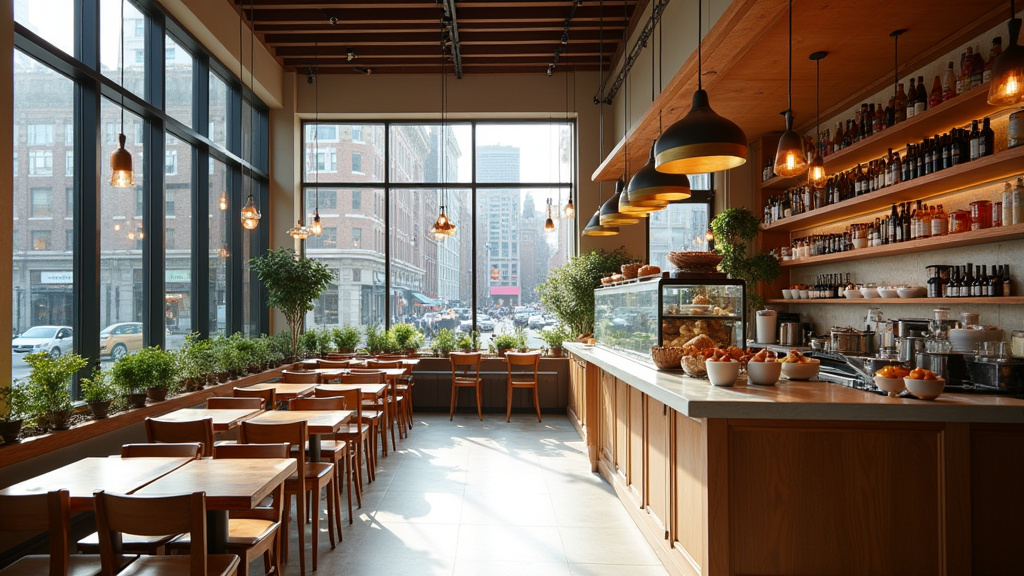


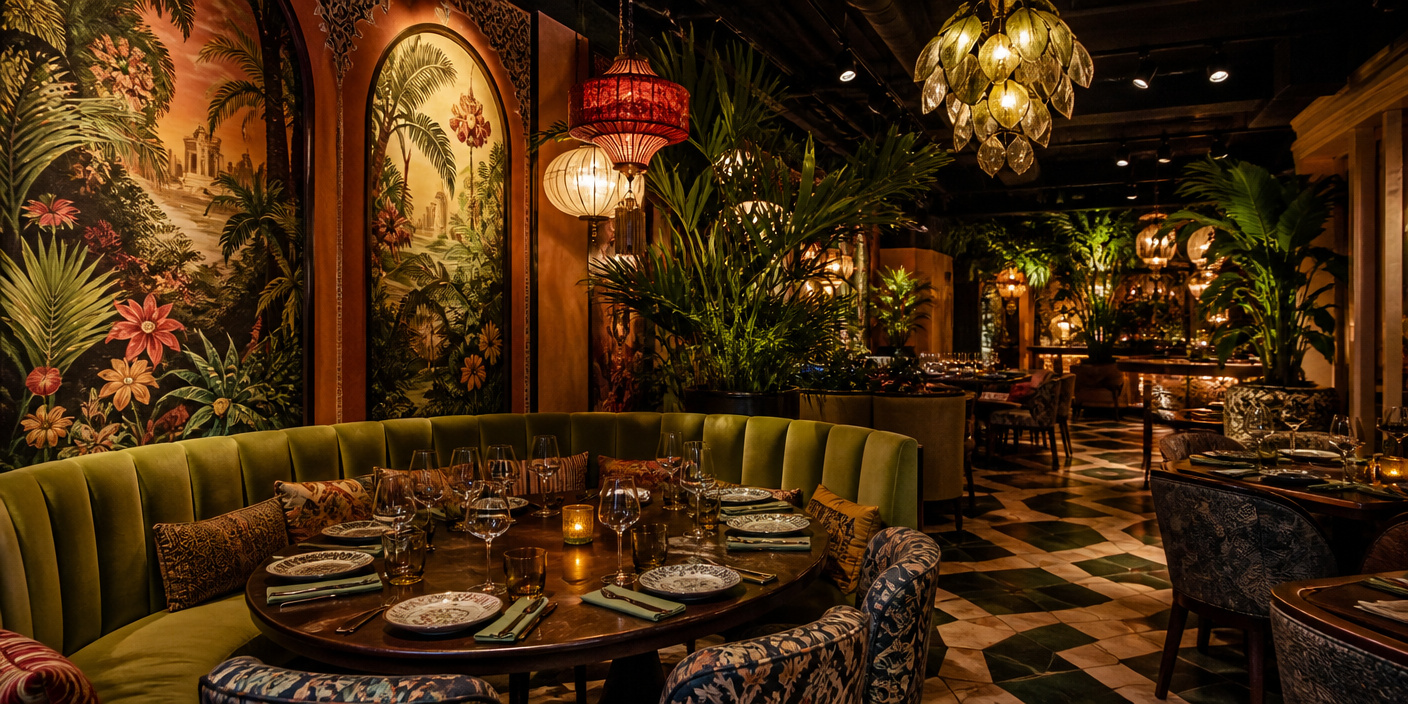
What does a “brand refresh” look like for a company with such a storied history? Historically, brand refreshes for heritage food companies often involve subtle tweaks—a logo refinement here, a font change there. However, industry insiders anticipate that the St. Charles location will go beyond surface-level changes. We expect to see a pivot toward more sustainable materials, energy-efficient kitchen equipment, and a more integrated digital-ordering experience embedded into the physical architecture of the restaurant.
The objective here is twofold. First, to attract a younger demographic that values modern convenience and clean, uncluttered design. Second, to maintain the loyalty of the multi-generational customer base that defines the Lou Malnati’s brand. It is a delicate tightrope walk: if the space becomes too sterile or ‘corporate,’ it risks losing the soulful, family-oriented ambiance that made the pizza famous in the first place. If it stays too traditional, it risks being perceived as outdated by newer suburban residents. The late October 2026 opening will reveal whether this new design language can successfully bridge that gap.
Market Penetration and Economic Impact
St. Charles, located within the Fox River Valley, offers a high-value demographic for casual dining. The competitive landscape in this region is fierce, with established local pizza shops and other regional chains fighting for the same weekend-night dollars. By selecting a location on E. Main St., Lou Malnati’s is positioning itself at a high-traffic intersection that serves both local residents and regional commuters.
Furthermore, the construction phase alone will provide an economic boost to the local area, utilizing local contractors and tradespeople. Once operational, a restaurant of this scale typically employs a significant workforce, ranging from front-of-house staff to specialized kitchen personnel. The economic ripple effect of adding a 71st location in a key suburb often correlates with increased commercial vitality for neighboring businesses, as high-traffic destination restaurants tend to bring more foot traffic to the entire corridor.
FAQ: People Also Ask
Q: When exactly will the St. Charles Lou Malnati’s open?
A: While construction timelines can shift due to various factors, the current target for the grand opening is late October 2026.
Q: What is the significance of the ‘brand refresh’ mentioned?
A: The brand refresh involves an updated interior design, modern layout efficiencies, and likely a refined customer experience strategy designed to balance tradition with contemporary dining expectations.
Q: Will this location offer the full Lou Malnati’s menu?
A: Yes, the location is expected to feature the standard full menu, including their signature deep-dish pizzas, salads, and appetizers, while utilizing the new kitchen design to ensure optimal quality.
Q: Why was this specific location on Main St. chosen?
A: The choice of 3050 E. Main St. aligns with the company’s strategic goal of high-visibility placement, targeting both local residents and the broader regional demographic in the Fox River Valley.