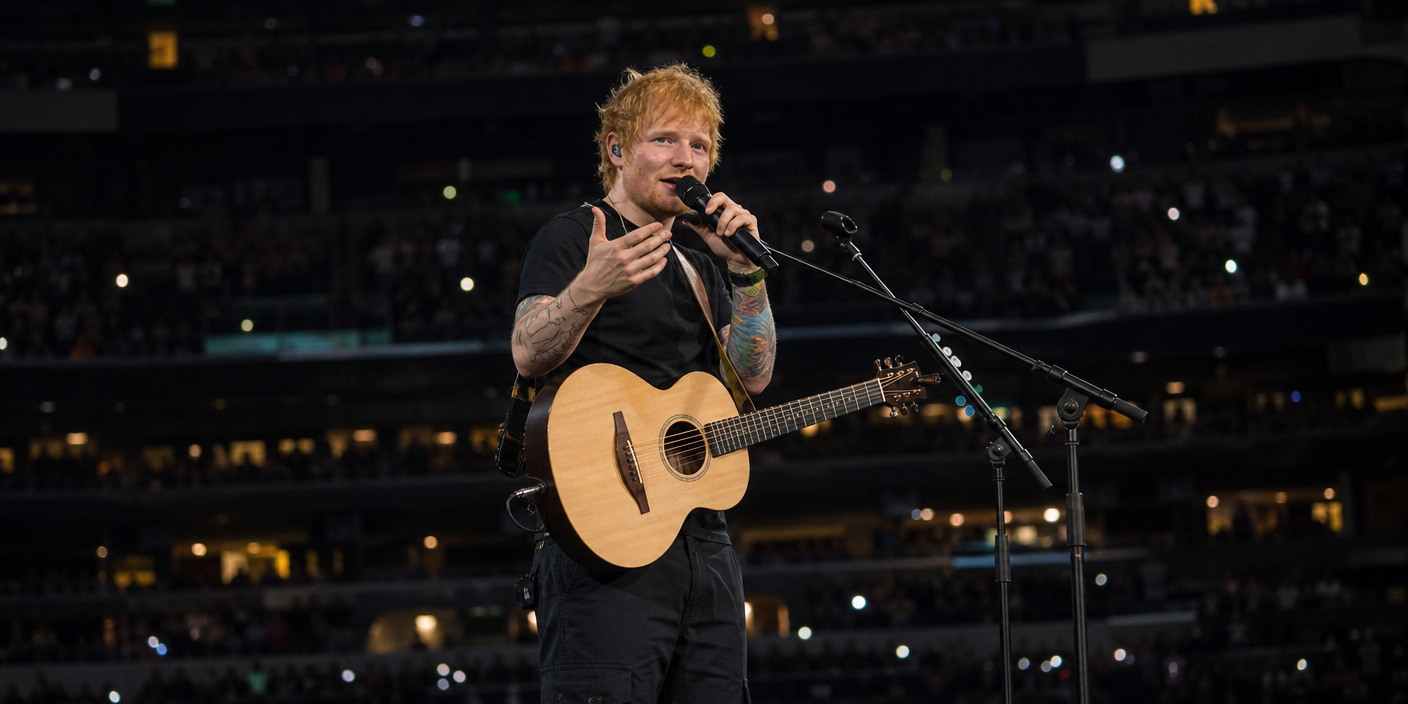
As the temperature climbs, Chicago once again transforms into a sprawling, open-air celebration. WTTW’s definitive 2026 Chicago Summer Festival Guide has arrived, offering a meticulously curated resource for residents and tourists alike to navigate the city’s complex, vibrant, and multifaceted social calendar. From the pulsating energy of downtown concert series to the intimate, craft-beer-fueled block parties that define local neighborhoods, the 2026 season is set to be one of the most active in recent history. This guide serves as the primary tool for decoding the logistical web of street closures, artist lineups, and cultural celebrations that constitute the heartbeat of Chicago’s nightlife and bar scene activity through the remainder of the summer.
Key Highlights
- Neighborhood Integration: The 2026 guide highlights over 45 individual neighborhood street festivals, emphasizing the unique local character of areas like Wicker Park, Lincoln Square, and Andersonville.
- Economic Impact: With tourism projections returning to pre-pandemic highs, festival-related local spending is expected to exceed $1.2 billion for the city’s hospitality sector.
- DCASE Coordination: Enhanced collaboration between the Chicago Department of Cultural Affairs and Special Events (DCASE) and private organizers has streamlined scheduling, reducing overlap between major events.
Navigating the 2026 Chicago Festival Ecosystem
The festival landscape in Chicago is not merely a collection of events; it is a vital economic and cultural engine. The 2026 season is defined by a strategic push toward hyper-local engagement, a trend clearly reflected in the WTTW guide. While massive events like Lollapalooza remain the primary anchors for international tourism, the real soul of the city’s summer lies in the granular, neighborhood-centric celebrations that occur every weekend from June through September.
The Renaissance of the Neighborhood Street Fest
For many Chicagoans, the ‘street fest’ is the defining unit of summer socialization. Unlike the ticketed, high-security nature of massive downtown festivals, these events—often organized by local Chambers of Commerce or neighborhood non-profits—offer a lower barrier to entry. The 2026 season has seen a deliberate effort to diversify these offerings. Local art installations, neighborhood-specific culinary showcases, and ‘Battle of the Bands’ style local music stages are becoming the standard rather than the exception.
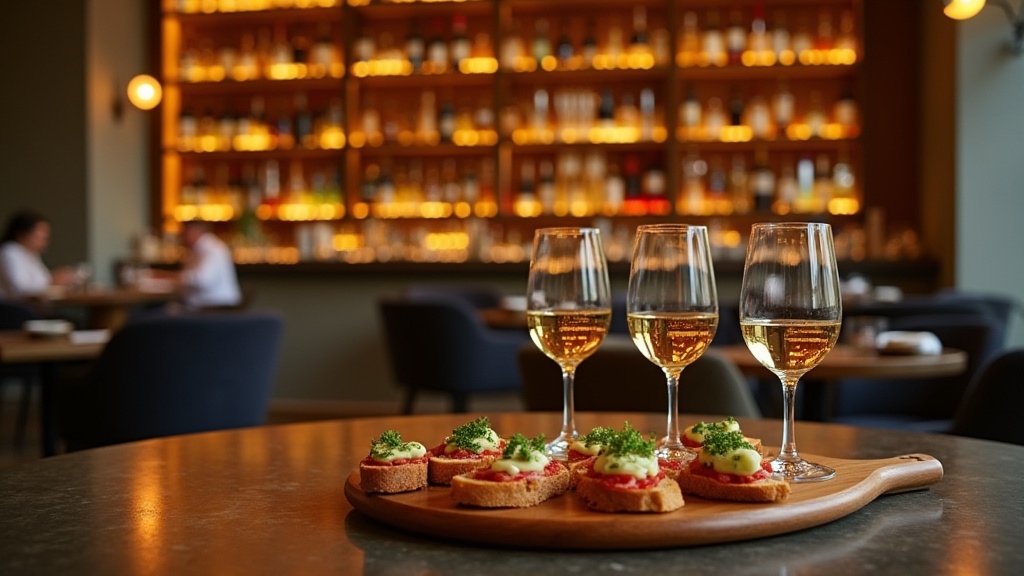
Experts note that these festivals function as an extension of the neighborhood’s bar scene. By closing arterial streets to vehicular traffic, the city effectively creates a temporary pedestrian plaza. This allows local establishments to extend their footprint, creating a symbiotic relationship where the festival benefits from the bar’s infrastructure, and the bar benefits from the massive influx of foot traffic generated by the event. It is a fragile balance, requiring intense cooperation with the Chicago Department of Transportation (CDOT) to ensure emergency access while maintaining the pedestrian-first atmosphere that makes these events successful.
Economic Drivers and Hospitality Synergy
It is impossible to discuss the festival scene without analyzing the bottom line. The hospitality industry in Chicago is deeply dependent on the festival circuit. Hotel occupancy rates typically experience a 15-20% surge during major festival weekends. However, the 2026 data reveals a shift: the ‘spillover effect.’ Travelers are increasingly opting for extended stays that bridge the gap between large-scale events and smaller, neighborhood festivals.
This trend has been a boon for bars and restaurants located outside the traditional ‘Loop’ tourism corridor. Businesses in Logan Square and Lakeview have reported that their highest revenue weekends coincide not with city-wide holidays, but with local festival dates. The WTTW guide provides essential logistical data for business owners to plan staffing and inventory, proving that these events are as much about commerce as they are about culture.
The Evolution of Cultural Programming
Beyond music and beer, 2026 has marked a pivot toward cultural and educational programming within festival grounds. We are seeing a 30% increase in vendor space dedicated to local artisans, history booths, and community non-profits. This shift represents a broader municipal goal: to ensure that the festivals do not exist in a vacuum but actively contribute to the civic fabric. Whether it is a West Side cultural heritage celebration or an North Side food festival, the inclusion of interactive, educational components is providing a richer, more diverse experience for attendees. This is a critical evolution from the ‘party-only’ model of the early 2010s to a more holistic, community-first approach.
FAQ: People Also Ask
Q: How does the WTTW guide differentiate between neighborhood fests and major concerts?
A: The guide categorizes events by ‘Scope’ and ‘Community Impact.’ Major concerts like Lollapalooza are listed under city-wide major events, while neighborhood fests are categorized by ward and community area, providing specific details on street closures and local parking alternatives.
Q: Are there any specific safety or transportation recommendations for 2026?
A: Yes, the guide heavily emphasizes the use of the CTA (Chicago Transit Authority) and ‘Divvy’ bike-share services. Due to increased density during festival weekends, the guide advises against driving and suggests utilizing real-time transit apps to monitor bus reroutes caused by street closures.
Q: How can local businesses leverage the festival schedule?
A: The guide provides a comprehensive calendar that local bar and restaurant owners use for ‘Inventory and Staffing Alignment.’ By identifying the festivals with the highest expected foot traffic, businesses can optimize their supply chains to meet demand, effectively minimizing waste and maximizing turnover during peak periods.