An **O’Hare Ground Stop** was issued for American Airlines flights on Tuesday evening due to a reported snow melter fire at Chicago O’Hare International Airport (ORD), exacerbating existing **Chicago travel delays**. This **FAA ground stop** significantly impacted **American Airlines flights** and overall operations at the bustling hub, causing a temporary halt to departures.
O’Hare Ground Stop: Fire Incident Disrupts Operations
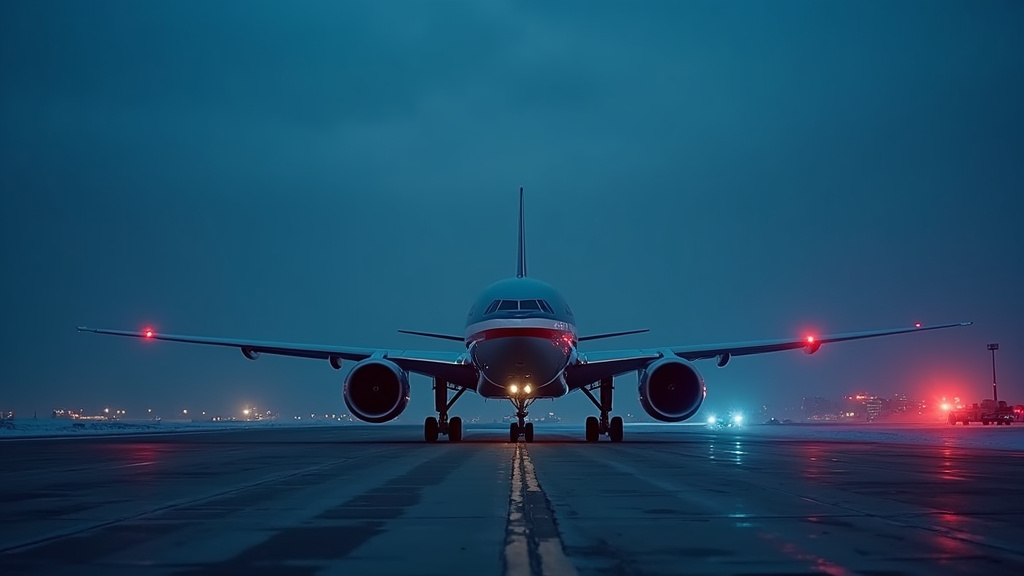
Reports of a snow melter fire at ORD prompted the Federal Aviation Administration (FAA) to implement an **O’Hare Ground Stop**. While not officially confirmed by the airport, aviation insiders noted a potential minor fire, which was sufficient to trigger an immediate safety response and an ATCSCC Advisory warning of surface incidents. This advisory quickly escalated to a full **O’Hare ground stop**, becoming a focal point for those monitoring the **ORD airport disruption**. The incident raised concerns among travelers and aviation professionals alike.
O’Hare Ground Stop Details and Duration
The **O’Hare Ground Stop** commenced on Tuesday night at 9:34 pm and concluded at 11:00 pm, lasting for 86 minutes. This intentional stoppage directly affected **American Airlines flights** and its affiliated carriers, resulting in delays of up to 30 minutes for inbound flights approaching O’Hare. Implementing the **O’Hare ground stop** was a critical safety measure to address the surface issue and ensure the integrity of flight operations during this period of **ORD airport disruption**.
Winter Weather Context and O’Hare Ground Stop
Chicago had been experiencing challenging winter conditions, with heavy snowfall in the preceding days already straining transportation networks. Light snowfall persisted through Tuesday afternoon and into the evening. Snow melters are essential for maintaining clear airport surfaces, and their malfunction, as suggested by the **snow melter fire**, can easily lead to airport disruptions. O’Hare frequently faces **winter weather impact**, with significant snow events often causing widespread cancellations and prolonged delays. This particular incident added another layer of complexity to existing travel challenges, underscoring the likelihood of an **O’Hare Ground Stop** during adverse conditions.
Impact on Travelers During O’Hare Ground Stop
The **O’Hare Ground Stop** had a direct effect on American Airlines passengers, many of whom were already dealing with a difficult travel landscape due to severe weather. This additional incident intensified traveler stress, potentially causing further delays or diversions and contributing to widespread **Chicago travel delays**. News of this **ORD airport disruption** quickly circulated online, becoming a notable talking point. Passengers were strongly advised to monitor their flight statuses, as staying informed is paramount during such operational interruptions.
Broader Airport Operations Amidst O’Hare Ground Stop
While the **O’Hare Ground Stop** primarily targeted American Airlines, other airlines could experience indirect effects due to the highly interconnected nature of airport operations. The **winter weather impact** alone presents substantial challenges, including slower de-icing procedures, reduced visibility impacting landings, and the continuous effort by airport crews to maintain clear runways, which can be overwhelmed by heavy snowfall. Past incidents highlight O’Hare’s susceptibility to severe weather, where significant snowfalls have previously triggered major ground stops. These events emphasize the necessity for robust infrastructure and effective weather response strategies, making any **FAA ground stop** a serious consideration.
Developments at O’Hare are continually observed, and this incident serves as another reminder of the persistent challenges that **winter weather impact** poses to air travel. The overarching priorities remain safety and operational efficiency. Although American Airlines has not released a detailed statement and the airport has not officially confirmed the cause of the **snow melter fire**, the **O’Hare Ground Stop** itself indicates a significant issue and demonstrates the FAA’s unwavering commitment to safety. Future operations will depend on evolving weather forecasts and the resolution of any equipment malfunctions, illustrating how swiftly **flight operations halt** can occur. This event is a prominent headline for CHICAGO, highlighting the delicate balance of airport operations against external factors like weather and equipment failures, resulting in an **FAA ground stop**.