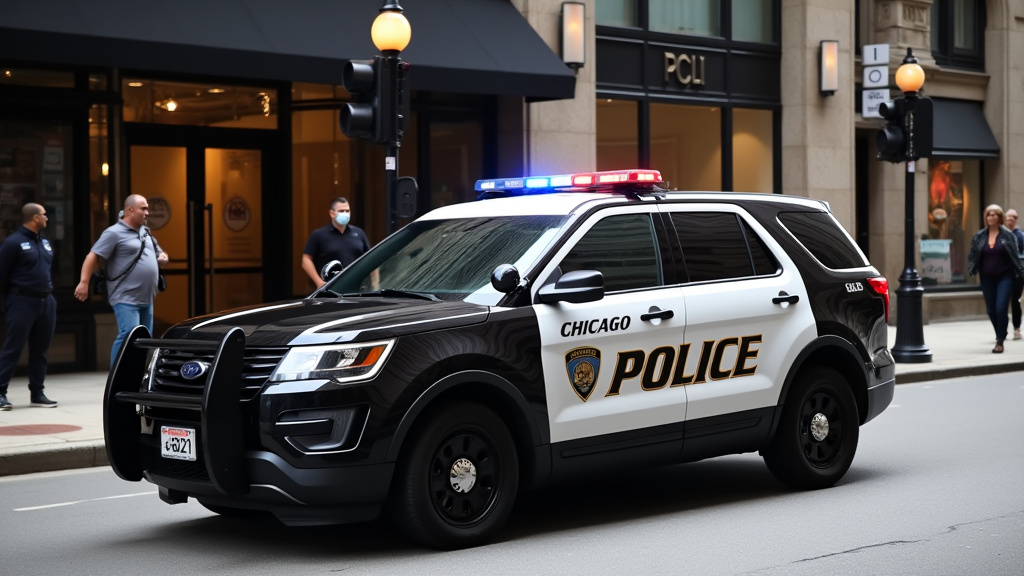
A wave of gun violence struck Washington Park late this weekend, resulting in a mass shooting that left 10 individuals wounded. Local authorities have cordoned off the area and launched an intensive investigation to identify the perpetrators behind the incident, which occurred amidst a period of rising tensions regarding weekend crime statistics in the city. The event has sent shockwaves through the local community, serving as a grim reminder of the persistent challenges municipalities face in maintaining public safety.
Key Highlights
- Victim Count: Emergency services confirmed that 10 individuals were struck by gunfire during the event.
- Incident Scope: The shooting is currently classified as a mass casualty incident, triggering a large-scale police and emergency medical response.
- Ongoing Investigation: Law enforcement officials are processing the scene for forensic evidence and canvassing for witnesses, though no arrests have been announced at this time.
- Community Impact: Residents and local leaders are demanding increased visibility and effective, long-term strategies to curb recurring violence in the neighborhood.
The Crisis in Washington Park: Analyzing the Aftermath and Path Forward
The shooting in Washington Park represents more than a singular, tragic statistic; it is a flashpoint for a broader discussion on public policy, urban infrastructure, and the social determinants of violence. While police remain the first line of defense in the immediate aftermath, the nature of this event has sparked urgent inquiries into how the city manages and mitigates high-risk environments, particularly as weekend crime spikes continue to fluctuate.
Deconstructing the Incident: An Operational Breakdown
According to initial police reports, the shooting unfolded rapidly, catching many in the vicinity off guard. While investigators have yet to release a definitive motive, the scale of the attack—impacting 10 people—suggests a level of coordination or indiscriminate firing that requires a sophisticated investigative approach. Ballistic experts are currently examining recovered shell casings, and detectives are scouring surveillance footage from nearby businesses and residential buildings to reconstruct the timeline of events. The primary focus for the investigative team is identifying the suspects’ vehicles and potential exit routes, which is critical in these early hours.
The Socio-Economic Context of Urban Violence

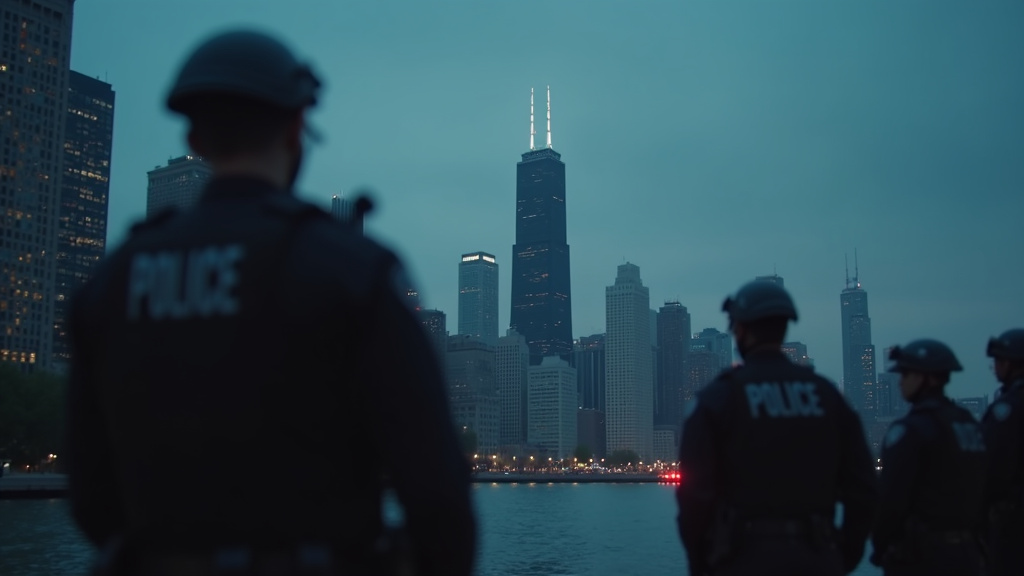
Washington Park, like many urban centers, struggles with a complex interplay of systemic issues that fuel, or at the very least facilitate, cycles of violence. Critics of current public safety protocols argue that the response to such incidents is often reactive rather than proactive. The economic impact of the shooting cannot be overstated: businesses may see reduced foot traffic, potential investors might pause development projects, and the psychological weight of the event imposes a ‘trauma tax’ on residents. This creates a feedback loop where instability discourages the very economic growth that could provide opportunities and alternative paths for at-risk youth.
Evaluating Policy and Police Deployment
A critical angle to explore is the deployment of police resources. In the wake of this mass shooting, city officials are under immense pressure to justify current patrol strategies. The conversation is shifting toward ‘hot-spot policing’ versus ‘community-led intervention.’ While rapid police response is essential to saving lives once shots are fired, community leaders argue that true safety requires an investment in violence interrupters—individuals who work on the ground to mediate conflicts before they escalate into violence. This article posits that a hybrid approach, combining high-tech forensic capabilities with hyper-local human infrastructure, is the only viable path to long-term stability.
The Trauma Cycle: Long-term Community Impact
Beyond the immediate physical wounds sustained by the 10 victims, there is the lingering issue of community trauma. Research into urban violence has shown that exposure to such incidents leads to higher rates of PTSD, particularly among children and young adults residing in affected neighborhoods. Schools and community centers in Washington Park are now tasked with providing counseling services to help residents cope with the fear of recurring violence. This hidden toll is often ignored in official crime statistics but is a vital metric for understanding the overall health of the neighborhood.
Future Predictions and Preventative Measures
As the investigation continues, municipal authorities are expected to announce a temporary surge in police presence in the Washington Park vicinity. However, history suggests this is only a temporary salve. Future predictions for the area indicate that unless there is a tangible increase in youth employment programs, mental health resources, and educational funding, the demographic and socio-economic drivers of crime will persist. The ‘broken window’ theory—the idea that visible signs of disorder encourage further crime—is being re-evaluated in the context of modern urban development, with calls to beautify public spaces as a deterrent against criminal activity.
FAQ: People Also Ask
Q: What is the current status of the investigation into the Washington Park shooting?
A: As of the latest update, authorities are still gathering evidence, including ballistic data and video surveillance. No suspects have been taken into custody, and the investigation remains active and fluid.
Q: Are there any specific safety warnings for residents in the area?
A: While police have not issued a general lockdown order, residents are advised to remain vigilant, report any suspicious activity to local law enforcement immediately, and avoid areas cordoned off for the ongoing investigation.
Q: How can community members support the victims?
A: Community organizers and local charities are beginning to set up donation drives and support funds. It is recommended to verify any GoFundMe or support initiatives through reputable local news outlets or community council pages to ensure donations reach the victims and their families directly.
Q: Is there an increase in violence trends in this part of the city?
A: This incident is being analyzed as part of the broader, fluctuating weekend crime statistics for the city. Local precinct data does indicate that weekends are statistically higher-risk periods, prompting city officials to review current resource allocation.