As the summer of 2026 winds down, Chicago transforms into the undisputed epicenter of live music, blending high-energy electronic beats with the soulful improvisations of jazz. On Friday, September 4, 2026, the city will experience a unique convergence of culture as three major festivals kick off simultaneously, creating a logistical puzzle for music lovers and a massive economic boon for the local tourism and hospitality sectors. From the sprawling, suburban grounds of SeatGeek Stadium to the urban heart of Union Park and the iconic skyline of Millennium Park, the choices for how to spend this Labor Day Friday are as diverse as the city itself.
The Electronic Pilgrimage: North Coast vs. ARC
The most significant tension for music enthusiasts this year lies in the geographical and aesthetic split between the two dominant electronic music festivals: the North Coast Music Festival (NCMF) and the ARC Music Festival. NCMF, situated at SeatGeek Stadium in Bridgeview, traditionally caters to a broad spectrum of electronic sub-genres, including dubstep, bass, and jam-tronica. Its stadium setting allows for massive production values, pyrotechnics, and a sprawling footprint that accommodates high-capacity crowds.
Conversely, ARC Music Festival offers an urban, boutique experience within Union Park. ARC is deeply rooted in the house and techno scene, often curating a lineup that feels more like an immersive, high-end club experience transplanted into an open-air park. For attendees, the choice is clear: do you prefer the suburban, large-scale stadium spectacle of North Coast, or the gritty, street-wise, sophisticated house atmosphere of ARC? This 2026 alignment forces fans to commit to a specific sonic identity, as commuting between the two venues—which are separated by significant distance—is effectively impossible during a single festival day.
The Jazz Tradition: A Free Urban Oasis
While the electronic festivals command massive, ticketed crowds, the Chicago Jazz Festival remains the city’s intellectual and historical bedrock. Held at Millennium Park, this event provides a striking contrast to the bass-heavy programming occurring elsewhere. As a cornerstone of the city’s cultural calendar, the Jazz Festival offers a more relaxed, accessible, and inclusive environment. It allows attendees to experience world-class improvisational music against the backdrop of the Pritzker Pavilion and the Chicago skyline. For those looking to avoid the intense energy and strict scheduling of the ticketed festivals, the Jazz Festival acts as an essential, high-brow sanctuary.
Logistics and the Art of Movement
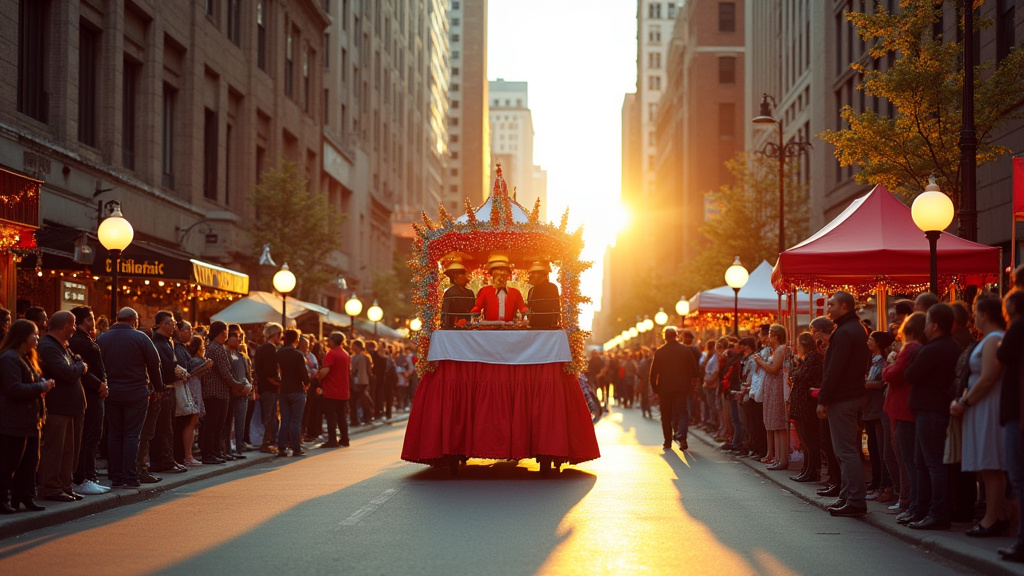
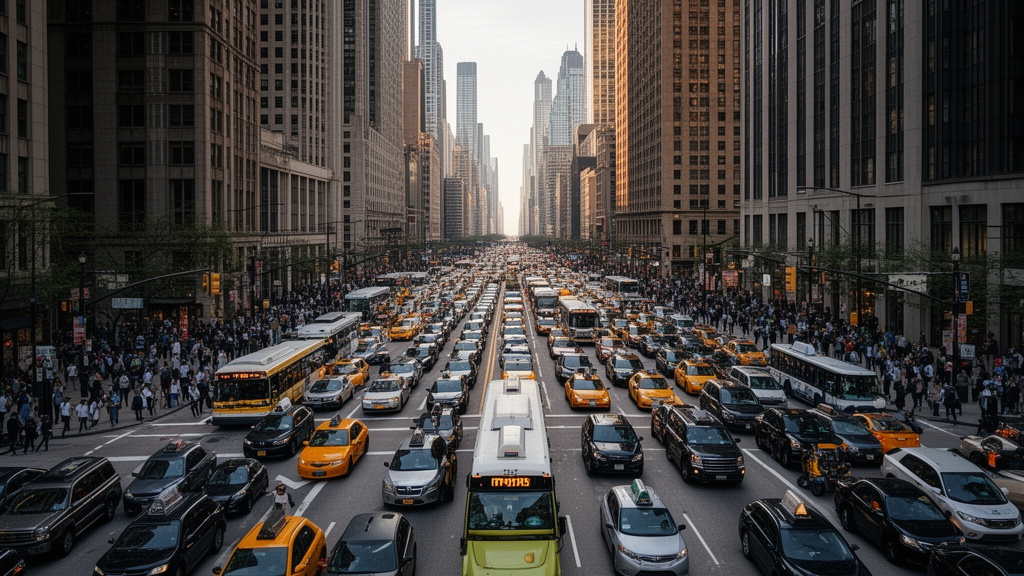
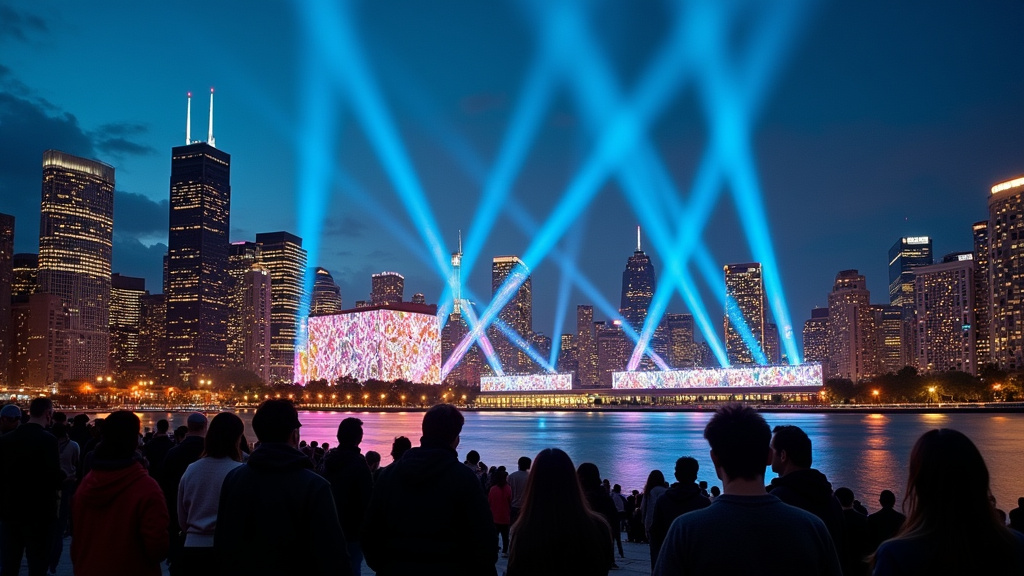
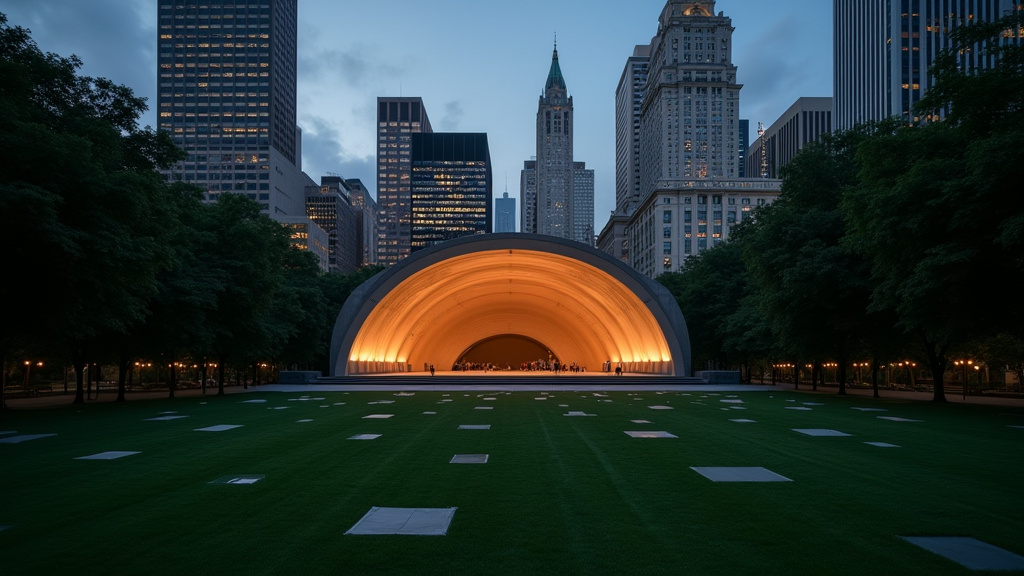
The convergence of these three festivals creates a massive stress test for Chicago’s transit infrastructure. For those attending North Coast at SeatGeek Stadium, the travel requirement is significant; the venue is approximately 15 miles from downtown Chicago. Attendees must rely on organized shuttles or private rideshares, as public transit accessibility is limited compared to central locations.
In contrast, ARC Music Festival attendees at Union Park benefit from the proximity to the CTA Green and Pink lines (Ashland station). However, the influx of thousands of concert-goers will inevitably strain these lines. The Chicago Jazz Festival, being in Millennium Park, is the most accessible, situated at the transit nexus of the Loop. A critical piece of advice for the 2026 season: pre-purchase transportation passes and plan for significant delays, particularly during the egress periods in the late evening.
Economic and Cultural Impact
Beyond the music, this weekend represents a massive financial injection into the city. Historically, Labor Day weekend festivals generate millions in revenue for local hotels, restaurants, and bars. The ‘Festival Tourism’ model has become a central pillar of Chicago’s post-summer strategy. By hosting multiple events simultaneously, the city maximizes the volume of visitors, though it also requires unprecedented levels of city coordination regarding sanitation, noise ordinances, and public safety.
Strategic Planning for the Discerning Attendee
To maximize your September 4th experience, we recommend a ‘Choose Your Lane’ strategy.
1. The Bass Seeker: Prioritize the North Coast Music Festival. Ensure your logistics for SeatGeek Stadium are locked in by mid-July, as hotel and shuttle demand peaks early.
2. The House Aficionado: Focus on ARC. The proximity to the West Loop allows for a vibrant culinary tour before heading into Union Park.
3. The Cultural Generalist: Start the day at Millennium Park for the Jazz Festival to soak up the daytime atmosphere, then consider a secondary late-night event at one of Chicago’s premier nightclubs, which often host ‘after-shows’ for the major festival headliners.
By aligning your itinerary with the specific sonic and environmental profile of each festival, you can avoid the frustration of cross-town travel and instead immerse yourself fully in the unique energy of Chicago’s best weekend of the year.
FAQ: People Also Ask
Q: Can I attend both the North Coast and ARC Music Festivals on the same day?
A: While technically possible, it is not recommended. The travel time between SeatGeek Stadium and Union Park is substantial, and the logistical stress of navigating festival security twice in one day would likely result in missing significant portions of the programming at both venues.
Q: Is there an age restriction for these festivals?
A: Most major electronic festivals in Chicago, including North Coast and ARC, typically enforce an 18+ policy, with some areas restricted to 21+. Always verify the specific age requirements on the official event websites before purchasing tickets.
Q: What is the best way to handle transportation on Labor Day weekend?
A: Public transit (CTA) is the most efficient option for the Chicago Jazz Festival (Millennium Park) and ARC (Union Park). For North Coast (SeatGeek), rely exclusively on the official festival shuttles or pre-booked rideshare services, as public transit directly to the stadium is limited and heavily congested.
Q: Are these festivals rain or shine?
A: Yes, all three major events are rain-or-shine. Chicago weather can be unpredictable in early September, so prepare for potential heat during the day and cooler temperatures in the evening.