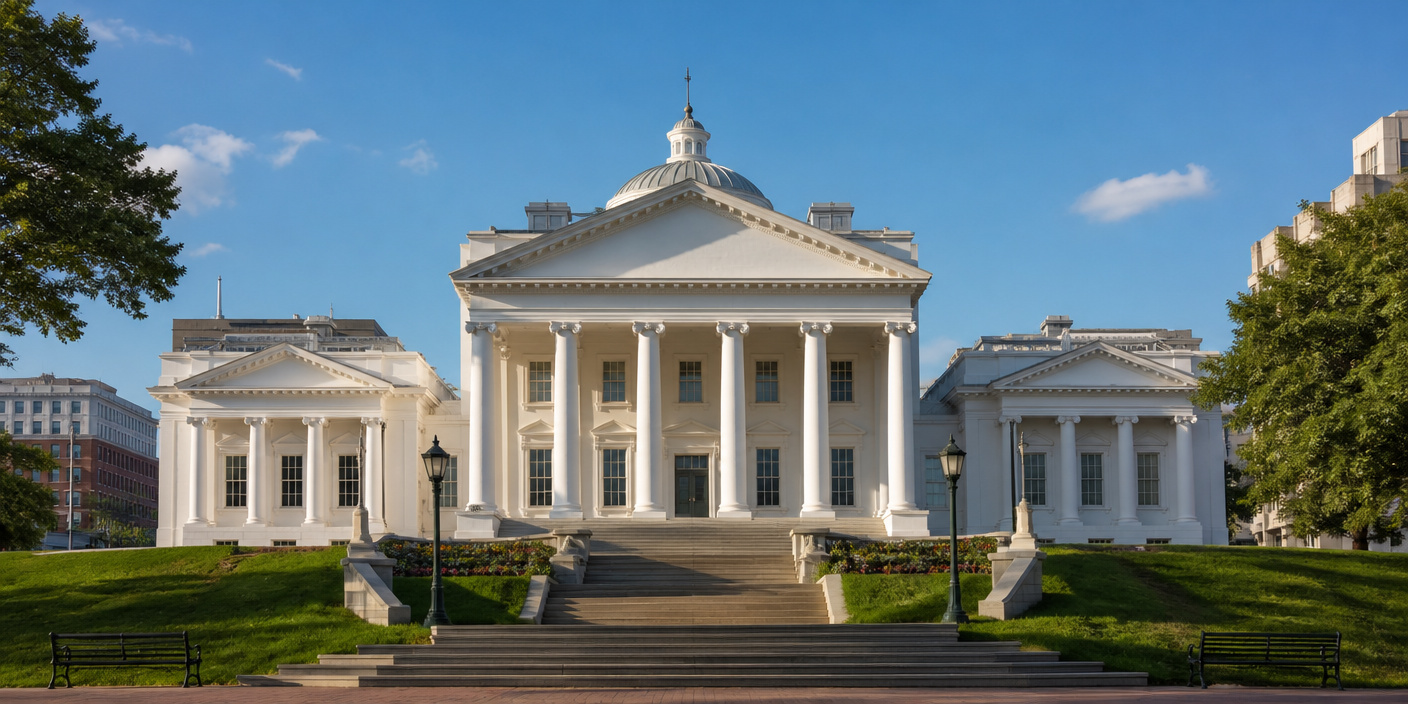
The legal landscape surrounding the upcoming midterm elections has shifted dramatically as the Trump administration has officially petitioned the U.S. Supreme Court to intervene in the regulation of mail-in ballots. This move marks a significant escalation in the ongoing national debate concerning the balance between election security protocols and the necessity of ensuring accessible voter participation. As both parties prepare for the critical electoral cycle, this appeal places the High Court at the center of a procedural conflict that could fundamentally alter how millions of Americans cast their votes.
The Legal Escalation: Ballot Access vs. Security
Understanding the Petition
The Trump administration’s filing with the Supreme Court centers on a request to allow states to enforce stricter, more uniform controls over the mail-in ballot process. Proponents of the appeal argue that these measures—which include more rigorous signature matching verification, tightened deadlines for ballot receipt, and restricted access to ballot drop boxes—are essential to maintaining the integrity of the electoral process. By seeking a Supreme Court ruling, the administration aims to establish a consistent federal standard that would override conflicting state-level judicial rulings that have, in some instances, expanded mail-in voting windows or softened identification requirements.
This petition is not merely a request for procedural clarity; it is a strategic effort to minimize the variables associated with mail-in voting, which the administration contends creates avenues for error and potential fraud. The legal brief emphasizes the need for ‘uniformity and reliability’ in election administration, suggesting that the current patchwork of state regulations invites judicial confusion and compromises the ability of voters to trust the final results.
The Boston Ruling: Judicial Pushback
The administration’s request to the Supreme Court follows a significant development in a Boston federal district court. A judge in the District of Massachusetts recently expressed grave concerns regarding the potential for these proposed restrictions to lead to widespread voter disenfranchisement. During the preliminary proceedings, the judge highlighted that sudden, mid-cycle changes to voting procedures—especially those that impose new requirements on how ballots are cast or received—could disproportionately affect elderly, disabled, and rural voters who rely heavily on the mail-in system.
The Boston court’s skepticism serves as a significant hurdle for the administration. The judge noted that the burden of proof rests on the petitioners to demonstrate that these changes are narrowly tailored and do not unfairly impede the fundamental right to vote. The concerns raised in Boston underscore a growing judicial sentiment that while election security is a compelling state interest, it cannot be pursued in a manner that effectively prevents qualified citizens from exercising their franchise due to procedural technicalities.
Implications for the Midterm Landscape
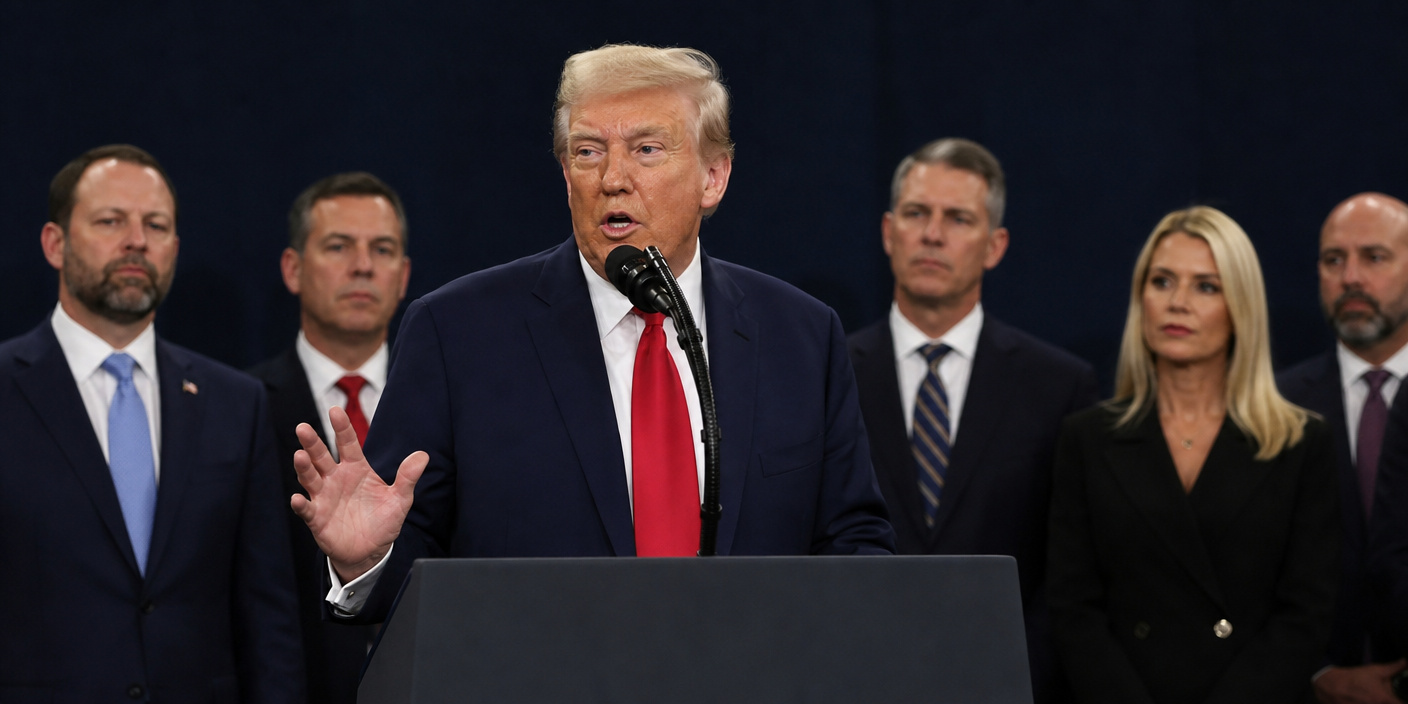


As the midterm elections approach, the potential for a Supreme Court ruling creates a high-stakes environment for election officials across the country. If the Court grants the petition, states may be forced to hastily implement new training protocols, update voter education materials, and adjust logistics for ballot processing, all within a compressed timeframe. This logistical pressure could strain local resources, potentially leading to administrative bottlenecks on Election Day.
Beyond the immediate logistical concerns, the political implications are profound. Mail-in voting has become a highly polarized issue, with voter turnout strategies often tied to the perceived convenience of casting a ballot by mail. Restrictions are viewed by some as necessary protections, while others view them as tactical maneuvers designed to influence election outcomes.
Exploring Secondary Angles
1. The Historical Precedent of Ballot Challenges: This appeal draws parallels to the intense legal battles seen during the 2020 cycle, where challenges to mail-in voting were litigated in dozens of state and federal courts. By revisiting these issues, the administration is testing the resilience of current election laws against constitutional challenges regarding due process and equal protection.
2. The Economic Cost of Election Administration: Implementing new security protocols is not free. Counties and municipalities often bear the brunt of these costs, requiring new software for signature verification, increased staffing for mail-processing facilities, and extensive public information campaigns. The fiscal impact of these changes could necessitate emergency budget allocations in an already strained economic environment.
3. Future Predictions on Voter Turnout: If the Supreme Court upholds or mandates stricter rules, political analysts predict a potential shift in mobilization strategies. Campaigns may be forced to pivot their ground games toward ‘ballot harvesting’ (where legal), or alternatively, a renewed, heavy emphasis on in-person early voting, fundamentally changing the traditional voting patterns of the American electorate.
FAQ: People Also Ask
Q: What is the core argument of the Trump administration’s petition?
A: The administration argues that stricter, uniform controls on mail-in ballots—such as enhanced signature matching and earlier receipt deadlines—are required to ensure election integrity and reduce the potential for fraud, thereby bolstering public confidence in the electoral system.
Q: Why did the Boston federal judge object to these changes?
A: The judge expressed significant concern that implementing new, restrictive voting procedures so close to the midterm elections could result in voter disenfranchisement, particularly for demographics that rely on mail-in ballots, such as the elderly and those with disabilities.
Q: How will this affect voters in the upcoming midterms?
A: If the Supreme Court intervenes and changes the rules, voters in affected states may face new requirements, such as stricter ID policies or earlier deadlines for mailing in ballots. Voters are advised to check their local election board websites frequently for updates as the election approaches.
Q: Is this a final ruling by the Supreme Court?
A: No. The administration has only petitioned the Court to hear the case and potentially issue an order. The Supreme Court has the discretion to accept or reject the petition; if accepted, it would lead to a formal legal review.