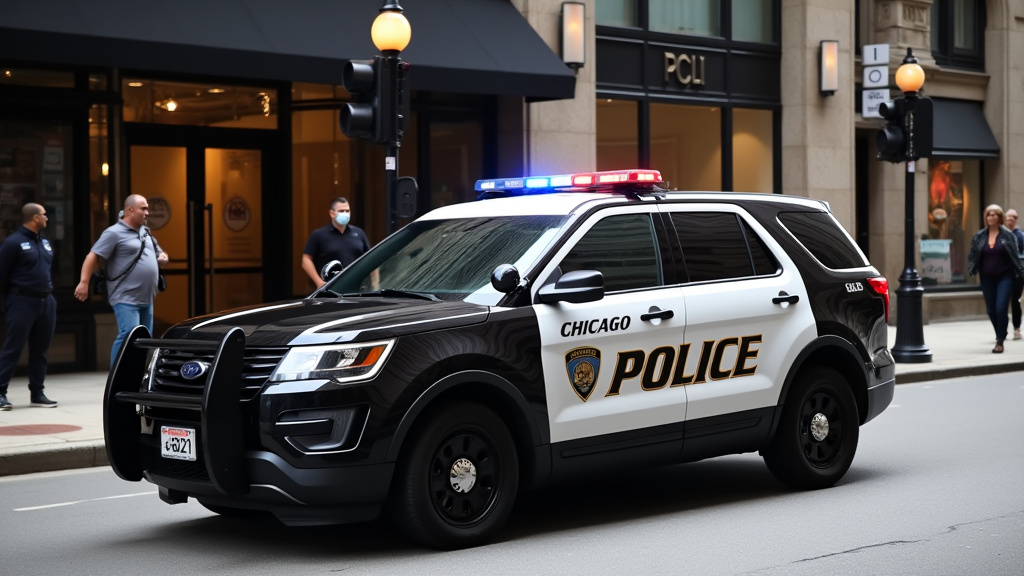
As the final days of summer approach, Chicagoans face a familiar, welcome dilemma: how to navigate the city’s dense tapestry of cultural offerings over the Labor Day weekend. This year, the intersection of sonic history and cinematic grit defines the holiday schedule. At the heart of the city’s output is the long-standing tradition of the Chicago Jazz Festival, a massive, free-to-attend event that transforms Millennium Park into the country’s premier destination for jazz aficionados. Complementing this acoustic spectacle, the city’s independent theater scene is leaning heavily into the high-contrast aesthetics of Film Noir, turning the weekend into a journey through both sound and shadow.
Key Highlights
- The Chicago Jazz Festival returns to Millennium Park: The premier, free event features an expansive lineup ranging from avant-garde improvisers to classic bebop legends, hosted by the Department of Cultural Affairs and Special Events (DCASE).
- The Noir Resurgence: Local arthouse cinemas are leveraging Chicago’s distinct urban architecture to host thematic Film Noir screenings, celebrating the 1940s and 50s visual style.
- Strategic Programming: The curated weekend itinerary balances large-scale outdoor festivals with intimate, indoor cultural experiences to accommodate Chicago’s unpredictable late-summer weather.
- Cultural Impact: These events represent a significant surge in local tourism and civic engagement, underscoring the city’s role as a global arts hub.
A Weekend of Sonic and Cinematic Immersion
The Chicago Labor Day weekend is not merely a break from labor; it is a manifestation of the city’s cultural identity. This year, the focus narrows on the synergy between the improvisational nature of jazz and the deterministic, fatalistic tone of classic noir. By analyzing the city’s event calendar, it is clear that curators are prioritizing deep-dive cultural experiences over surface-level tourism. This approach encourages residents and visitors alike to engage with the city’s history—specifically the mid-20th-century era where both jazz and noir thrived as defining American art forms.
The Beat of Millennium Park: The Chicago Jazz Festival
The cornerstone of the weekend remains the Chicago Jazz Festival. Since its inception, this festival has operated as the heartbeat of the city’s labor day celebrations. Operated by DCASE in collaboration with the Jazz Institute of Chicago, the festival is not simply a concert series; it is an academic and historical project. The Jay Pritzker Pavilion serves as the primary stage, allowing thousands to gather in the heart of Millennium Park for free.
This year’s programming emphasizes the bridge between the old guard and the new school. Expect to see performances that highlight the evolution of Chicago-style jazz, which has historically been more rough-edged and blues-influenced than its coastal counterparts. The festival provides a rare opportunity to witness legends of the genre sharing the same stage as young conservatoire graduates, fostering a unique mentorship dynamic that is crucial to the continued relevance of jazz in the 21st century.
Shadows and Silhouettes: The Film Noir Renaissance
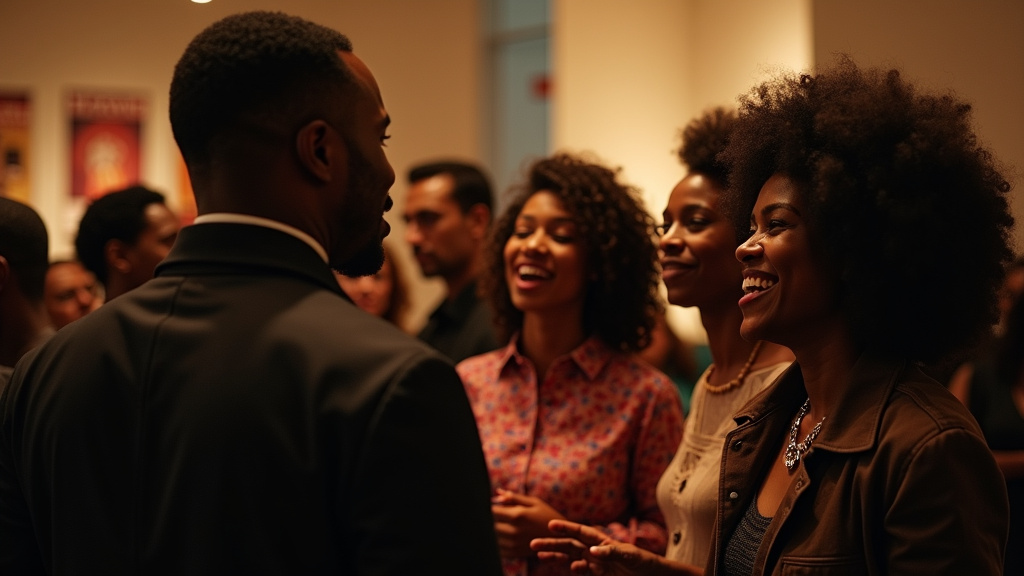
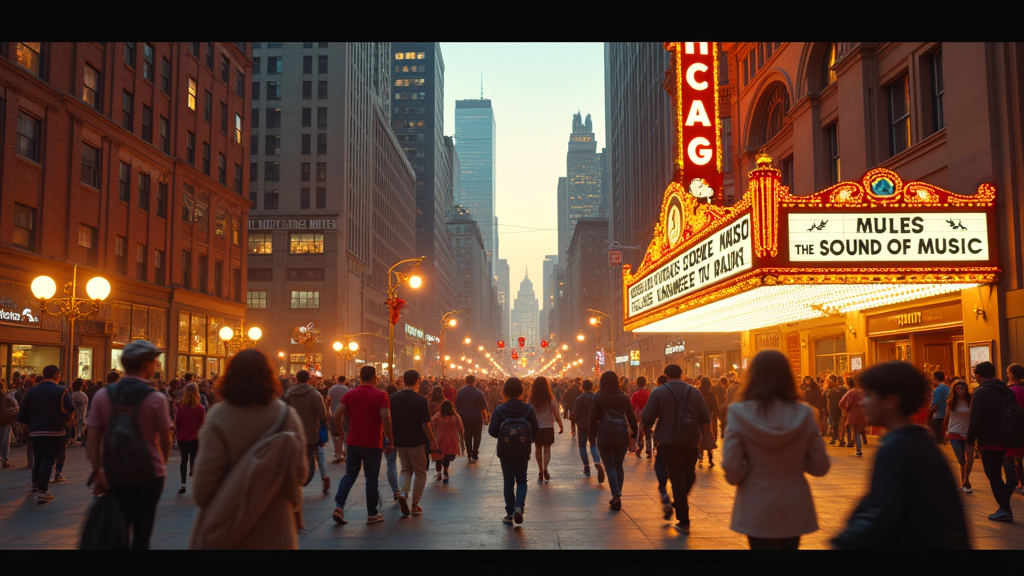
While the jazz festival provides the soundtrack, the city’s independent theater scene—most notably the Music Box Theatre—is providing the visual narrative. Film Noir, a genre defined by low-key black-and-white cinematography and themes of moral ambiguity, finds its natural habitat in Chicago. The city’s “City of Big Shoulders” architecture—characterized by dark brickwork, narrow alleyways, and elevated train lines—mirrors the aesthetic requirements of the genre.
This weekend’s focus on Noir is intentional. By screening classics alongside lesser-known B-movie gems, theaters are offering a respite from the bright, oppressive sun of late summer. The appeal of these films lies in their fatalism; they offer a cool, intellectual detachment that resonates with the city’s cynical, hard-boiled literary history. For the attendee, this means a curated experience that requires active participation—interpreting shadows, following complex plots, and appreciating the masterful composition of frame and light.
Curating Your Experience: Beyond the Music and Film
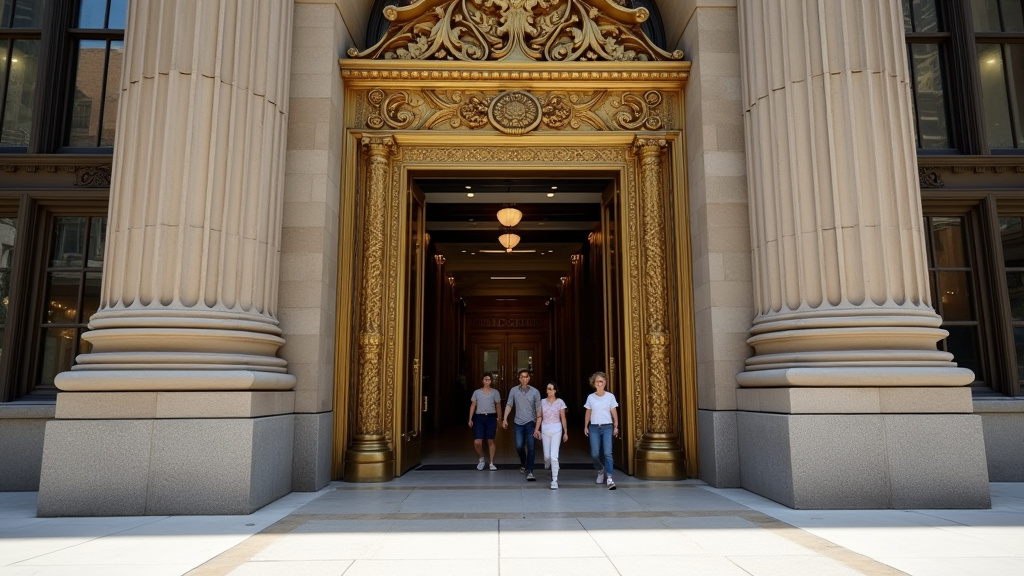
To round out your four-part arts itinerary, we suggest looking toward the intersection of art and architecture. First, prioritize a morning walking tour of the Chicago Loop to observe the Art Deco details that inspired the very noir films you will be watching in the evening. Second, visit the Art Institute of Chicago’s latest late-summer installation, which often correlates with the festival season, providing a tactile, visual counterbalance to the auditory jazz experience. These two additions effectively create a four-pronged cultural weekend: Music (Jazz Festival), Cinema (Film Noir), Architecture (Walking Tour), and Fine Art (Art Institute).
The Economic and Cultural Pulse
It is impossible to discuss the Labor Day arts schedule without acknowledging the economic machinery behind it. These events are massive undertakings. The Jazz Festival, for instance, requires months of logistical planning, thousands of staff hours, and significant corporate and municipal sponsorship to remain free to the public. The cultural dividend is substantial; these events keep local dollars within the city limits and ensure that cultural institutions remain the focal point of the metropolitan economy.
Furthermore, the “staycation” trend is gaining momentum. As travel costs fluctuate, more Chicagoans are choosing to remain in the city to consume local culture. This shift has forced curators to innovate, moving beyond standard festival lineups to create multi-dimensional experiences—like combining music with film—that provide a sense of discovery for even the most jaded local resident.
FAQ: People Also Ask
Q: Is the Chicago Jazz Festival completely free to attend?
A: Yes, the Chicago Jazz Festival in Millennium Park is free to the public. There is no admission fee, although premium seating areas or VIP packages may be available for purchase depending on specific sponsor arrangements.
Q: What are the best methods of transportation for the festival?
A: Given the high volume of attendees, public transportation is highly recommended. The “L” trains (specifically the Red and Blue lines) have stops within walking distance of Millennium Park. Biking via the Divvy bike-share system is also a popular option, though bike docks near the park may fill up quickly.
Q: Are the Film Noir screenings at the Music Box Theatre ticketed?
A: Yes, while the Jazz Festival is free, the boutique film screenings at the Music Box Theatre (and other independent venues) require ticket purchases. It is highly recommended to book these in advance, as Labor Day weekend screenings often sell out due to limited seating capacities.
Q: What should I bring to the Jazz Festival?
A: Attendees are encouraged to bring blankets or lawn chairs for the Great Lawn in Millennium Park. Outside food and non-alcoholic beverages are typically permitted, but it is best to check the DCASE website for the most current security policies regarding coolers and bags before arriving.