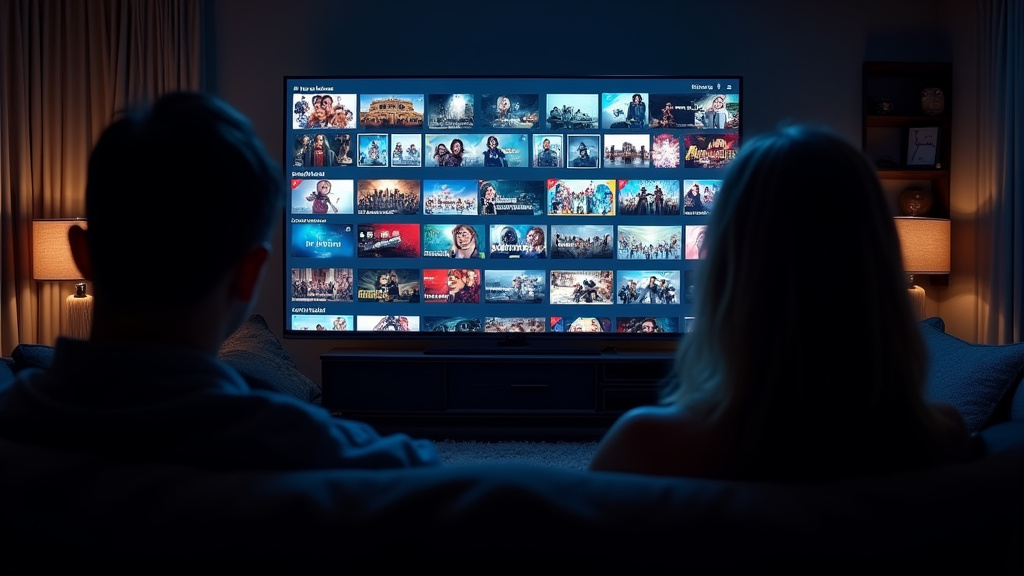
September marks a tectonic shift in the streaming landscape. As the industry moves away from the explosive output of the summer blockbuster season, platforms are pivoting toward a curated, prestige-focused release model designed to maximize subscriber retention as we head into the final quarter of the year. For the home viewer, this translates into a diverse array of content, ranging from taut psychological thrillers to the massive, IP-driven narratives that define modern streaming economics. The early month momentum, anchored by the September 2nd debut of ‘The Runner’ on Prime Video, serves as a bellwether for how platforms are betting on original, mid-budget storytelling to bridge the gap between theatrical cycles.
Key Highlights
- Prime Video’s Strategic Early-Month Push: The September 2nd premiere of ‘The Runner’ marks a critical move for Amazon, aiming to capture audience attention before the mid-month competitive rush.
- The Franchise Looming Horizon: Despite theatrical release schedules, the constant discourse surrounding massive titles like ‘The Mandalorian and Grogu’ continues to dictate current streaming platform navigation and subscriber expectations.
- Prestige over Volume: Streaming services are shifting focus toward high-quality, singular narratives rather than the sheer volume of content seen in previous years, aiming to lower subscriber churn.
- The Rise of ‘At-Home’ Cinema: Subscription services are increasingly positioning their movie libraries as premium, ‘cinema-quality’ experiences rather than secondary, direct-to-video content.
The Changing Landscape of September Home Cinema
The streaming ecosystem is currently undergoing a period of radical consolidation and re-evaluation. The days of ‘content-at-all-costs’ are waning, replaced by a strategic, surgical approach to release dates and genre targeting. For the home viewer, September is the ideal month to observe this pivot in real-time. As the leaves begin to turn, the tone of streaming libraries shifts from the light, high-octane escapism of mid-summer to the darker, more introspective storytelling often associated with the autumn awards-contender season.
Analyzing the Prime Video Playbook
Prime Video’s decision to headline the start of the month with ‘The Runner’ on September 2nd is not merely a scheduling choice; it is a declaration of intent. In an era where SVOD (Subscription Video on Demand) platforms are battling for a share of the viewer’s increasingly divided attention, placing a high-concept feature early in the month is designed to trigger a ‘halo effect’ across the entire platform. By pulling subscribers into the ecosystem on the 2nd, Prime Video increases the likelihood that those same users will explore the broader, back-catalog library throughout the remaining weeks.
‘The Runner’ represents a modern archetype: the mid-budget, star-driven feature that might have struggled in a crowded theatrical market but thrives in the high-engagement environment of a global streaming service. This strategy effectively bypasses the volatility of box office returns, allowing the platform to rely on internal metrics to gauge success.
The Shadow of the Franchise Giant



It would be remiss to discuss the current streaming climate without acknowledging the gravitational pull of massive IP titles. Even as major theatrical projects—such as the highly anticipated ‘The Mandalorian and Grogu’—remain on the horizon, their mere existence impacts the current market. These titles act as ‘North Stars’ for streaming strategy. Even when they are not yet available for streaming, the mere proximity of these franchise giants forces other platforms to elevate their own offerings to remain relevant. We are witnessing a ‘Franchise-First’ mental model where platforms invest in peripheral content—documentaries, expanded universes, and related series—to keep the subscriber base warm while waiting for the next major release date.
Secondary Angles: Examining the Market Dynamics
1. The Prestige Pivot: We are observing a distinct decline in the ‘content farm’ model. Streamers are no longer just filling pages; they are curation-focused. This shift is economic. High-quality films act as ‘prestige assets’ that improve the perceived value of a subscription, reducing the likelihood of cancellations.
2. The End of Direct-to-Video Stigma: Historically, movies released directly to home platforms were considered lower quality. This stigma has entirely evaporated. With high-caliber talent opting for streaming-first distribution to maintain creative control, the quality of ‘streaming originals’ has effectively equalized with theatrical outputs.
3. The Subscription Fatigue Factor: With the current consolidation of services—Disney+, Hulu, and Max bundles—viewers are more selective than ever. The average household is now treating their streaming subscriptions like a utility, demanding high-value ‘anchor’ content every month. This is why a strong September release like ‘The Runner’ is critical for Prime Video to maintain its competitive stance against the mega-bundles.
FAQ: People Also Ask
Q: Why is the September 2nd release date for ‘The Runner’ significant?
A: Releasing a marquee title at the very beginning of the month helps Prime Video anchor its monthly engagement metrics, encouraging users to remain subscribed for the duration of the month and explore the wider catalog.
Q: Are theatrical blockbusters like ‘The Mandalorian and Grogu’ coming to streaming soon?
A: While specific streaming dates for blockbuster films are often tied to theatrical windows, the ongoing market discourse surrounding these titles influences the current ‘franchise-heavy’ content strategies of all major streamers.
Q: How do streaming platforms decide what to release in September?
A: Streaming platforms use complex data analytics to evaluate subscriber churn rates. September is typically viewed as a transition month where platforms release high-quality content to re-engage users who may have been less active during the summer travel months.
Q: Is it better to subscribe to a bundle or individual services?
A: Current trends show that bundles (like the Disney+/Hulu/Max combinations) offer higher cost-efficiency, though individual platforms are increasingly competing by offering exclusive, singular movie ‘drops’ that act as specific incentives for standalone subscriptions.