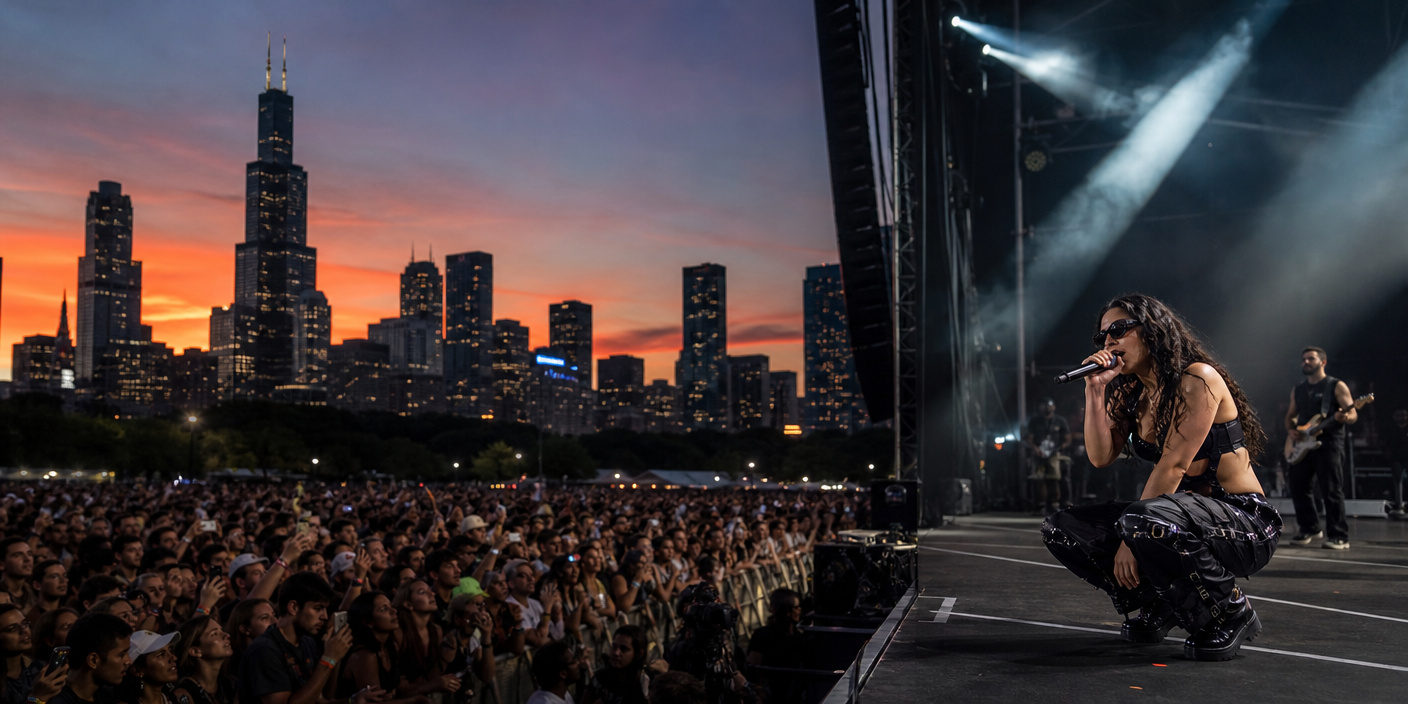
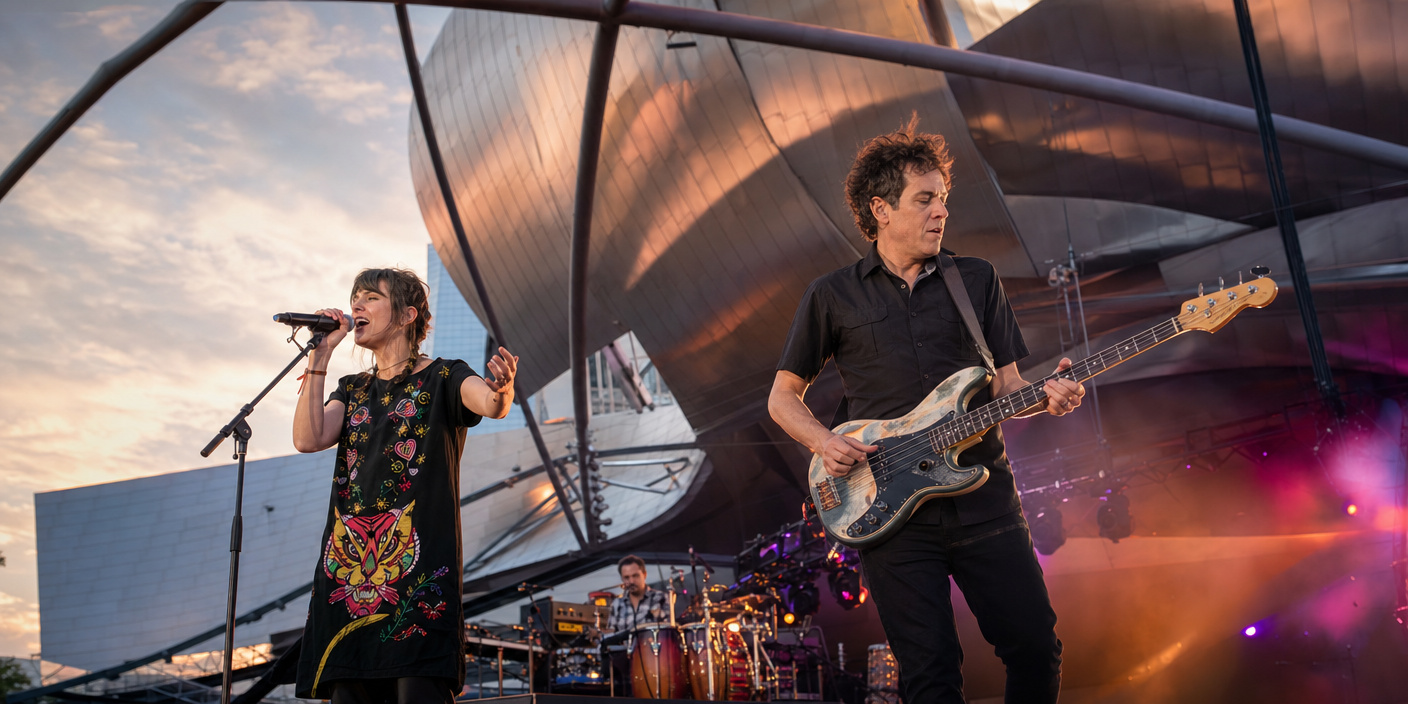
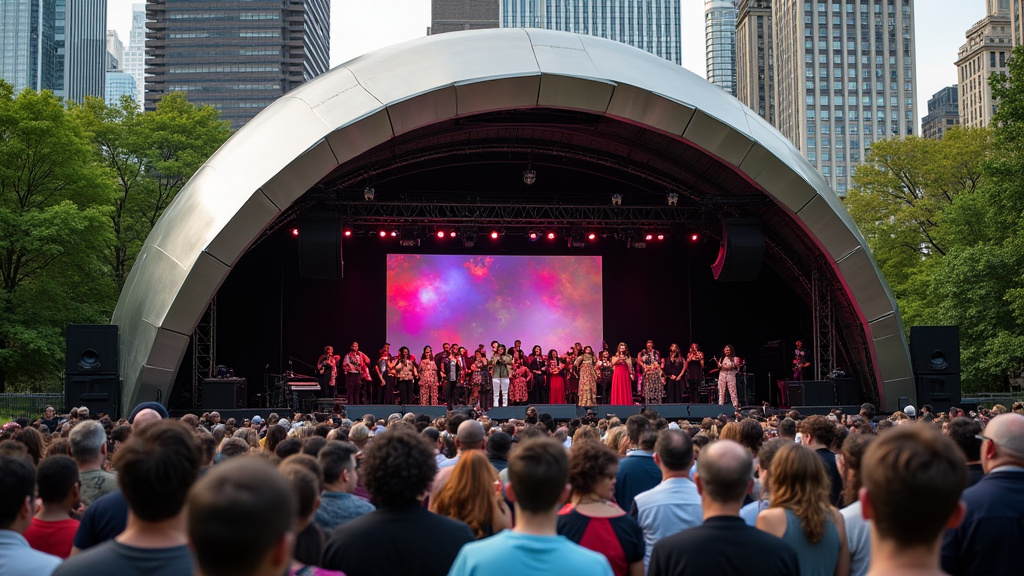
Chicago is transforming into the global epicenter of jazz this week as the city officially serves as the Global Host City for International Jazz Day 2026. This prestigious designation, marking the 15th anniversary of the worldwide celebration, has unlocked a series of immersive, free public events, with the historic Chicago Cultural Center leading the charge. From avant-garde sound installations to historical retrospectives, the city is honoring its rich legacy as a jazz mecca while looking toward the future of the art form, all leading up to a monumental All-Star Global Concert at the Lyric Opera of Chicago on April 30.
Key Highlights
- Global Host City: Chicago celebrates its role as the official 2026 host for International Jazz Day, coinciding with the 15th anniversary of the event.
- Cultural Center Programming: The Chicago Cultural Center is hosting immersive exhibitions like Tangible Sound and panels on the history of Chicago jazz radio.
- Star-Studded Finale: An All-Star Global Concert at the Lyric Opera on April 30 features musical legends under the artistic direction of Herbie Hancock and Kurt Elling.
- Educational Outreach: Month-long programming across the city includes masterclasses, youth workshops, and community-focused performances aimed at fostering the next generation of jazz talent.
A Symphony of Civic Pride and Sonic History
The selection of Chicago as the Global Host City for International Jazz Day 2026 is no mere coincidence; it is a recognition of the city’s profound, foundational role in the evolution of jazz. While New Orleans may be considered the cradle of jazz, Chicago served as the incubator where the music matured, sharpened, and expanded into the modern, sophisticated art form known today. In the 1920s, as musicians traveled north, the “Chicago Style” emerged—characterized by driving rhythms, distinct solo improvisations, and the rise of the saxophone as a lead voice. Artists like Louis Armstrong, King Oliver, and Jelly Roll Morton did not just play in Chicago; they defined its soundscape, forever linking the city to the heartbeat of the genre.
The Chicago Cultural Center: A Hub for Immersive Jazz
Central to this year’s celebration is the programming hosted at the Chicago Cultural Center, a landmark architectural marvel in the heart of the city. The center has pivoted into a nexus for both historical exploration and contemporary artistic expression. Among the standout installations is Tangible Sound: Arrival to a Higher Ground, an immersive exhibition that seeks to translate the frantic, visceral energy of Chicago’s improvised music scene into tangible color, movement, and visual form. By viewing jazz through a visual lens, the exhibition challenges visitors to experience the “colors” of jazz beyond auditory perception.
Complementing the exhibition is the panel series Our Jazz Life: A Celebration of the History of Jazz Radio in Chicago. These discussions serve as a bridge between the oral traditions of jazz history and the modern digital landscape. By archiving the stories of Chicago’s jazz radio pioneers, the program ensures that the intellectual property of the city’s musical culture is preserved for future historians and enthusiasts. This intersection of education, exhibition, and live performance underscores the philosophy of International Jazz Day: that jazz is not just music, but a vehicle for social dialogue and intercultural understanding.
The Anatomy of an All-Star Global Event
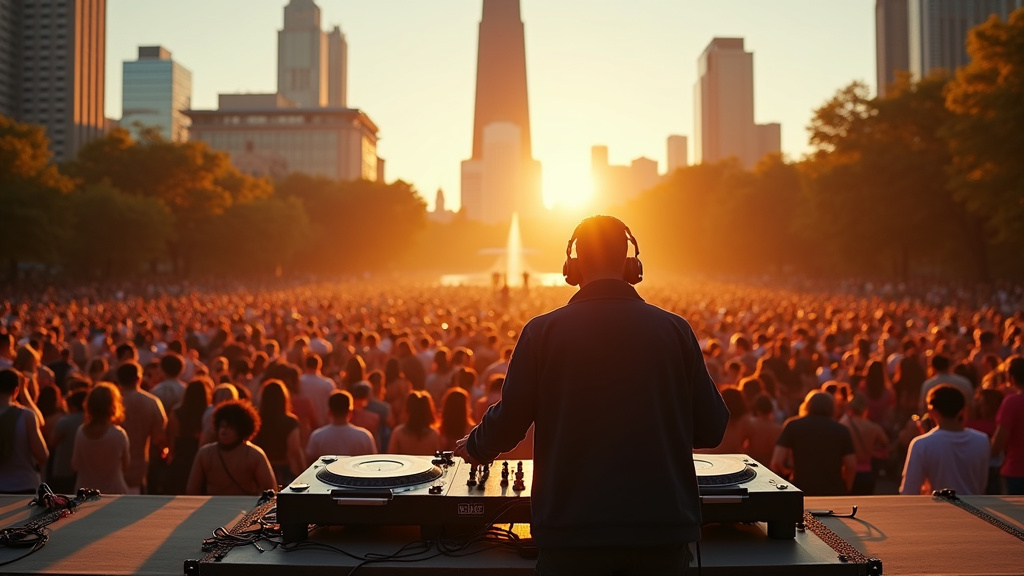
While the citywide festivities offer broad accessibility, the centerpiece of the 2026 celebration is the All-Star Global Concert at the Lyric Opera of Chicago. This is not merely a concert; it is a global broadcast event. With artistic direction provided by Chicago native Herbie Hancock—the legendary pianist and UNESCO Goodwill Ambassador—and vocalist Kurt Elling, the event aims to feature a genre-bending lineup. The concert is designed to weave together the disparate threads of the global jazz diaspora, bringing artists from across the world to a single stage to perform in a display of international unity.
The inclusion of the Lyric Opera as the host venue is symbolic. It represents the elevation of jazz from the intimate, smoky clubs where it was born to the grand, traditional stages of high culture, reflecting jazz’s enduring status as a globally respected art form. The event will be live-streamed, aiming to reach millions of viewers in more than 190 countries, effectively turning the world’s eyes toward Chicago as a beacon of cultural diplomacy.
Economic and Tourism Impact
Beyond the cultural significance, hosting International Jazz Day brings a measurable economic ripple effect. Tourism in Chicago often sees a seasonal dip in late spring, but the influx of international delegates, artists, and music tourists for the Jazz Day celebrations provides a significant boost to the local hospitality sector. Hotels, restaurants, and small jazz clubs throughout the city—from the Loop to the historic Bronzeville neighborhood—are reporting increased bookings. This event serves as a case study in “cultural branding,” where a city leverages its historical heritage to foster contemporary economic growth. By partnering with organizations like the Chicago Jazz Alliance, the city has successfully integrated small-scale, grassroots music venues into the broader, government-supported tourism strategy, ensuring that the economic benefits are distributed throughout the local ecosystem.
The Future of Jazz Education
Perhaps the most lasting legacy of this week will be found in the classrooms and workshops dispersed throughout the city. The Chicago Jazz Alliance, in collaboration with the Herbie Hancock Institute of Jazz, has launched an extensive series of masterclasses. These aren’t just for established musicians; they are reaching deep into public schools, providing young students with direct access to world-class mentors. This initiative acknowledges a critical truth in music history: jazz cannot survive if it is only a static museum piece. It requires a constant influx of young practitioners who are taught not just the scales and chords, but the improvisational mindset—the ability to listen, adapt, and respond to one’s environment. This educational mandate is the silent work behind the flashy concerts, ensuring that when the stage lights at the Lyric Opera dim, the music continues to live on in the youth of Chicago.
FAQ: People Also Ask
Q: Are all events for International Jazz Day in Chicago free?
A: Many of the community events, including the immersive exhibitions at the Chicago Cultural Center and various pop-up performances throughout the city, are free and open to the public. However, specific events, particularly those at private venues or high-demand concerts, may require tickets or advance registration. Always check the official Chicago Jazz Day website for the most up-to-date availability.
Q: How can I watch the All-Star Global Concert if I cannot attend in person?
A: The All-Star Global Concert will be broadcast live worldwide, free of charge. You can stream it in 4K on the official YouTube channel for International Jazz Day (yt.be/jazzday), as well as via the UNESCO, UNTV, and the jazzday.com website. Notifications can be set up on the YouTube platform to ensure you don’t miss the start time.
Q: Why was Chicago chosen to host the 15th Anniversary of International Jazz Day?
A: Chicago was selected due to its historic role as a “jazz mecca” and its profound influence on the evolution of the genre. As the birthplace of many jazz innovations and home to legendary musicians like Herbie Hancock, the city was deemed the perfect backdrop to celebrate both the 15th anniversary of the global initiative and the 250th anniversary of the United States, creating a once-in-a-generation cultural milestone.
Q: What is the Chicago Jazz Alliance?
A: The Chicago Jazz Alliance is a coalition of civic and cultural organizations, including the Department of Cultural Affairs and Special Events (DCASE), the Jazz Institute of Chicago, and the Ravinia Festival. They spearhead the local programming, coordinating efforts between venues and artists to ensure the month-long celebration is cohesive and impactful.