Skip to content
The Chicago Today
Quantum Aerospace
  • Home
  • Current News
  • Explore & Enjoy
  • Sports
  • Sound & Screen
  • Sip & Savor
  • Style & Innovation
  • Editors Take
Trending
August 12, 2026South Shore Line Struggles Under Heavy Service Disruptions August 12, 2026Canada-U.S. Trade: The Urgent Race Against 50% Tariffs August 11, 2026Chicago Storms: 3 Tornadoes Confirmed as Cleanup Begins August 11, 2026Cubs Eye Playoff Push: Series Opener vs. Nationals (Aug 11) August 10, 2026Chicago’s La Licor Fest Set to Bridge Global Cocktail Cultures August 10, 2026RTX and CET Unveil HADALUS: A New Era for Low-Cost UUVs August 10, 2026Chicago Summer 2026: Why Iconic Dining Spots Are Shuttering August 10, 2026Charlie Worsham Tapped For Grand Ole Opry Membership August 10, 2026Cyclospora Alert: Chicago Residents Urged to Monitor Health August 10, 2026Bally’s Halts Chicago Casino Hotel Plans Over Gambling Dispute
The Chicago Today
The Chicago Today
  • Home
  • Current News
  • Explore & Enjoy
  • Sports
  • Sound & Screen
  • Sip & Savor
  • Style & Innovation
  • Editors Take
  • Blog
  • Forums
  • Shop
  • Contact
The Chicago Today
  Editors Take  Evanston Eyes New Fiscal Strategy for Northwestern’s Commercial Interests
Editors Take

Evanston Eyes New Fiscal Strategy for Northwestern’s Commercial Interests

Kevin DavidsonKevin Davidson—July 29, 20260
FacebookX TwitterPinterestLinkedInTumblrRedditVKWhatsAppEmail

The dynamic between Evanston and Northwestern University (NU) has entered a new, more contentious phase. For decades, the relationship between the city and the private research institution has been defined by a mix of symbiotic reliance and fiscal tension. As the Evanston City Council begins deliberating on specific strategies to address and collect payments from Northwestern’s diverse commercial activities, the municipality is signaling that the era of relying solely on indirect economic benefits may be drawing to a close. This move is not merely an isolated policy debate; it represents a fundamental shift in how tax-exempt institutions are viewed by the municipalities that host them, particularly as municipal budgets tighten and the footprint of universities expands into the private commercial sector.

The Erosion of the ‘Town-Gown’ Consensus

Historically, the ‘town-gown’ relationship in Evanston has operated under a tacit understanding: the university provides a steady stream of jobs, cultural prestige, and a consistent base of students who patronize local businesses, while the city provides essential infrastructure and services—often at a discount or through subsidized agreements. However, as Northwestern University has grown, its acquisition of real estate and expansion into revenue-generating ventures that compete directly with private, tax-paying entities has strained this historic equilibrium. The City Council’s current deliberations reflect a growing legislative desire to delineate between the university’s academic mission and its purely commercial enterprises, such as event venues, hospitality holdings, and parking infrastructure.


More stories
Chicago City Council Finance Committee Schedules Special Hearing on Infrastructure Funding Amid Property Tax Debate

Chicago City Council Finance Committee Schedules Special Hearing on Infrastructure Funding Amid Property Tax Debate

March 24, 2025
Chicago's $1.5 Billion 'Chicago Forward' Plan Sparks Heated Funding Battle Over Sales Tax Hike, Debt Concerns

Chicago’s $1.5 Billion ‘Chicago Forward’ Plan Sparks Heated Funding Battle Over Sales Tax Hike, Debt Concerns

May 15, 2025

CTU May 1 Walkout: Politics Trumps Chicago Classrooms?

March 13, 2026
Daily Herald Opinion: Analyzing the Cubs and White Sox Season Outlook

Daily Herald Opinion: Analyzing the Cubs and White Sox Season Outlook

July 15, 2026

City leaders are now scrutinizing whether these commercial activities—which generate significant revenue—should be treated differently under local tax codes. The legal challenge is significant, given the university’s protected non-profit, tax-exempt status under federal and state law. However, the Council is exploring creative legislative levers, including potential fee structures, utility usage surcharges, or negotiated payments in lieu of taxes (PILOT) that target specific revenue-producing arms of the university rather than the academic core. This strategy aims to capture value from activities that do not directly support the student body or research initiatives, effectively treating them as market participants rather than charitable endeavors.

Analyzing the Commercial Revenue Model

At the core of the debate is the distinction between ‘educational’ and ‘commercial’ utility. Northwestern University operates several ventures that, while owned by the non-profit institution, function as high-volume, profit-seeking enterprises. Critics on the City Council argue that when a tax-exempt entity owns a hotel, operates a professional-grade stadium, or engages in large-scale property leasing, it shifts the tax burden onto private residents and smaller local businesses.

This is not a unique phenomenon; it is a trend seen in college towns across the United States. However, Evanston is positioned as a bellwether for this legislative push. The council is analyzing data regarding the volume of traffic, police and emergency services usage, and infrastructure degradation caused specifically by these commercial hubs. By quantifying the ‘cost of doing business’ that the university currently offloads onto the city, the Council hopes to build an airtight legal argument for mandatory contributions. This is a shift from ‘asking’ for donations to ‘demanding’ compensatory payments for services rendered, potentially setting a precedent for how university-affiliated commercial activities are regulated nationwide.

The Ryan Field Leverage and Future Outlook

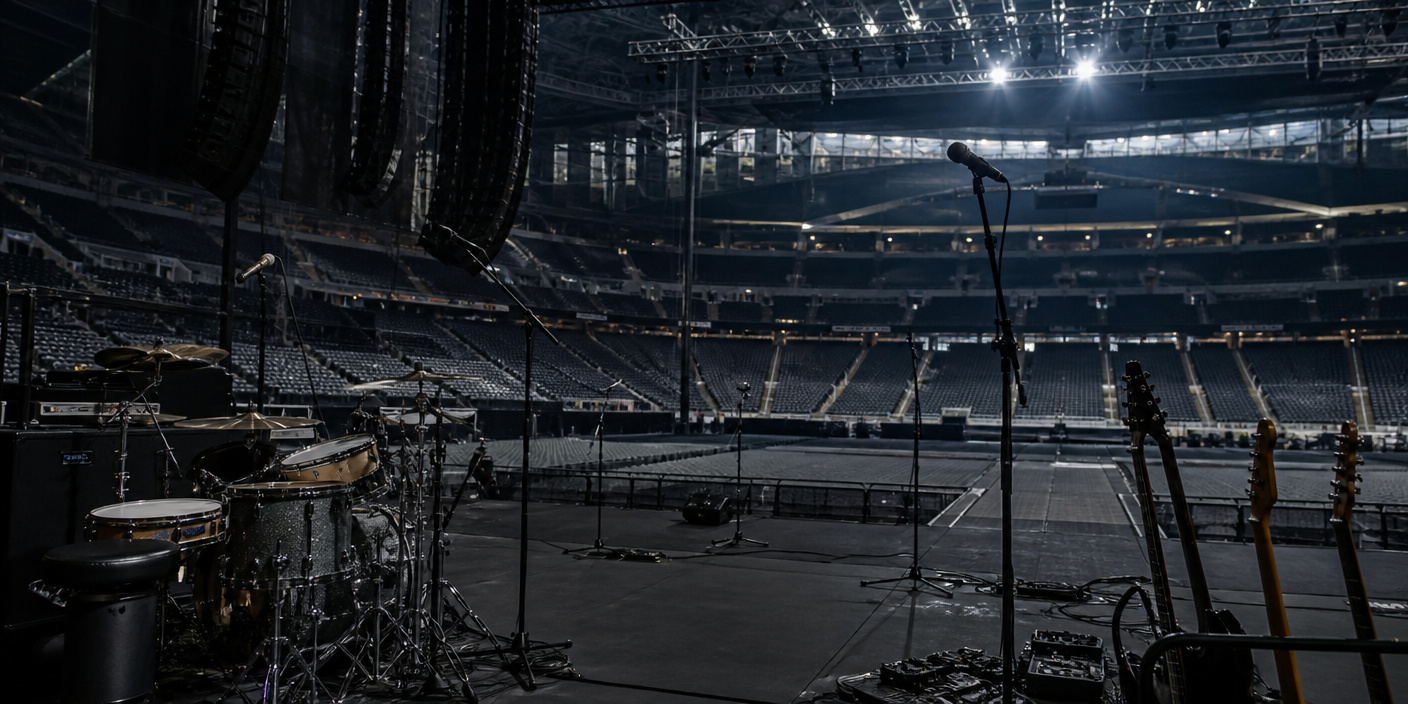
The recent discourse surrounding the redevelopment of Ryan Field serves as a critical case study for this new fiscal strategy. The negotiations surrounding the stadium, which included complex community benefit agreements (CBAs), provided the City Council with a blueprint for future engagements. It proved that Northwestern is willing to negotiate significant financial payouts—in the form of community benefits—when the university requires municipal approval for massive infrastructure projects.

Looking forward, the Council is considering institutionalizing these ad-hoc negotiations into a formal policy framework. Instead of waiting for a massive construction project to trigger a negotiation, the city is exploring an ordinance-based approach. This would potentially create a standing committee or fiscal impact fee system that automatically triggers payments from university-owned commercial assets based on their annual net revenue or square footage. This proactive approach aims to stabilize Evanston’s long-term budget, which has faced inflationary pressures and rising demand for municipal services. While the university continues to frame these contributions as voluntary community support, the City Council’s current trajectory suggests a move toward formalized, expected, and potentially enforceable fiscal obligations.

Navigating Legal and Political Barriers

Despite the legislative momentum, the City Council faces immense legal hurdles. Northwestern University’s tax-exempt status is shielded by Illinois state law, and any attempt to impose a direct tax on its activities would almost certainly face immediate litigation. Consequently, the Council’s ‘strategies’ are likely to focus on peripheral costs—zoning fees, licensing for commercial venues, and infrastructure usage levies—that skirt the edge of tax law without violating it.

Politically, the move is also complex. A segment of the Evanston community relies on the university for employment and stability, and there is a fear that overly aggressive taxation could harm the overall town-gown relationship or lead to the university scaling back its local investments. The Council must thread a delicate needle: ensuring the city receives its fair share of revenue from the commercial activities occurring within its borders while maintaining the university as a collaborative partner in Evanston’s broader economic development. The coming months will be decisive as the city attempts to convert these initial deliberations into concrete policy, testing the limits of what a municipality can legally and politically demand from one of its most powerful stakeholders.


Related coverage

  • Johnson’s $90M Debt Plan Hits Financial Dead End
  • Chicago Funeral Home Shut Down After 56 Decomposing Bodies Found
  • Great Lakes Crisis: Why The Carp Barrier Must Proceed
FacebookX TwitterPinterestLinkedInTumblrRedditVKWhatsAppEmail

Kevin Davidson

Kevin Davidson is a journalist who navigates the evolving landscapes of music and streaming media, connecting readers to the tracks, platforms, and artists shaping our listening habits. His work looks beyond the billboard charts, delving into the creative processes behind new releases and exploring how emerging tech reshapes the way we discover, share, and appreciate sound. Whether he’s reviewing a groundbreaking album, profiling a future hitmaker, or analyzing the latest streaming trends, Kevin offers insights that strike a chord with both longtime fans and curious newcomers. Off the clock, you might find him curating playlists, testing out the latest audio gear, or swapping recommendations in local record shops. Wherever music is moving next, Kevin’s there to tune you in.

Regional Tinderbox: Jordan Intercepts Missiles as US & Saudi Strike Iraq
Chicago Oversight Body Criticized for Misconduct ‘Vacuum’
Related posts
  • Related posts
  • More from author
Editors Take

Johnson’s $90M Debt Plan Hits Financial Dead End

August 9, 20260
Editors Take

Chicago Funeral Home Shut Down After 56 Decomposing Bodies Found

August 8, 20260
Editors Take

Great Lakes Crisis: Why The Carp Barrier Must Proceed

August 5, 20260
Load more
Read also
Headlines

South Shore Line Struggles Under Heavy Service Disruptions

August 12, 20260
Current News

Canada-U.S. Trade: The Urgent Race Against 50% Tariffs

August 12, 20260
Featured

Chicago Storms: 3 Tornadoes Confirmed as Cleanup Begins

August 11, 20260
Sports

Cubs Eye Playoff Push: Series Opener vs. Nationals (Aug 11)

August 11, 20260
Sip & Savor

Chicago’s La Licor Fest Set to Bridge Global Cocktail Cultures

August 10, 20260
Style & Innovation

RTX and CET Unveil HADALUS: A New Era for Low-Cost UUVs

August 10, 20260
Load more
Recent Posts
  • South Shore Line Struggles Under Heavy Service Disruptions August 12, 2026
  • Canada-U.S. Trade: The Urgent Race Against 50% Tariffs August 12, 2026
  • Chicago Storms: 3 Tornadoes Confirmed as Cleanup Begins August 11, 2026
  • Cubs Eye Playoff Push: Series Opener vs. Nationals (Aug 11) August 11, 2026
  • Chicago’s La Licor Fest Set to Bridge Global Cocktail Cultures August 10, 2026

    # TRENDING

    chicago20252026aiFashionStreamingreviewaccountabilityinnovationfundingfestivalmusicnetflixalbumculinaryactionacquisitionnascarhululineup
    © 2024 All Rights Reserved by Chicago Today
    • Contact
    • Cookie Policy
    • Privacy Policy
    The Chicago Today
    Manage Consent
    To provide the best experiences, we use technologies like cookies to store and/or access device information. Consenting to these technologies will allow us to process data such as browsing behavior or unique IDs on this site. Not consenting or withdrawing consent, may adversely affect certain features and functions.
    Functional Always active
    The technical storage or access is strictly necessary for the legitimate purpose of enabling the use of a specific service explicitly requested by the subscriber or user, or for the sole purpose of carrying out the transmission of a communication over an electronic communications network.
    Preferences
    The technical storage or access is necessary for the legitimate purpose of storing preferences that are not requested by the subscriber or user.
    Statistics
    The technical storage or access that is used exclusively for statistical purposes. The technical storage or access that is used exclusively for anonymous statistical purposes. Without a subpoena, voluntary compliance on the part of your Internet Service Provider, or additional records from a third party, information stored or retrieved for this purpose alone cannot usually be used to identify you.
    Marketing
    The technical storage or access is required to create user profiles to send advertising, or to track the user on a website or across several websites for similar marketing purposes.
    • Manage options
    • Manage services
    • Manage {vendor_count} vendors
    • Read more about these purposes
    View preferences
    • {title}
    • {title}
    • {title}