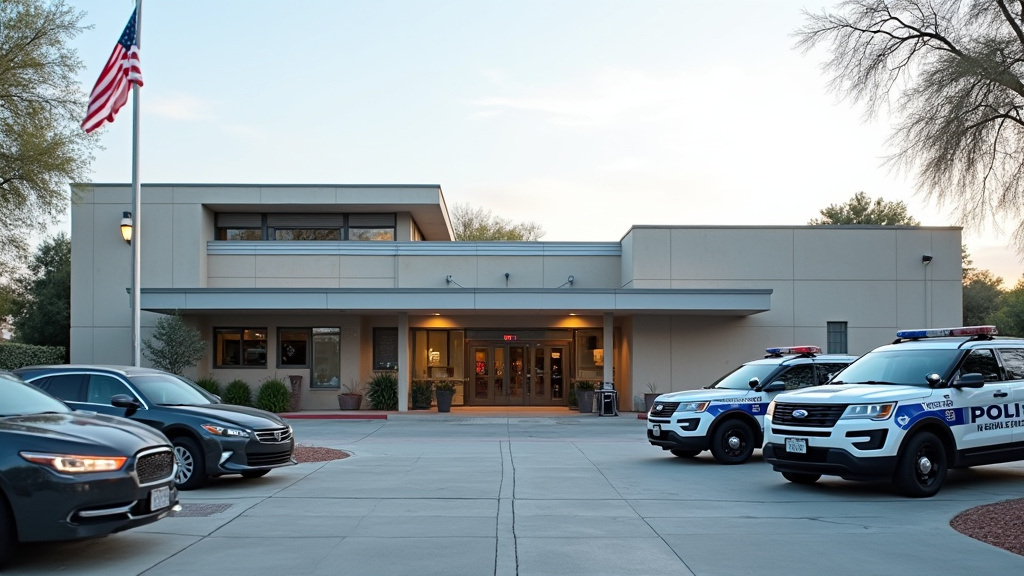
A chaotic span of violence engulfed Chicago overnight, leaving six teenagers shot in a series of disparate incidents that have rattled the city and highlighted the persistent danger facing local youth. In a string of attacks reported across the South Side, at least one 16-year-old has been confirmed dead, while other victims, including multiple 16-year-olds and a 17-year-old, remain under medical care. The incidents, which spanned locations including South Central Avenue, South St. Lawrence, and South Hamlin, have drawn immediate attention from the Chicago Police Department (CPD) as investigators work to determine if these attacks are connected or representative of a wider, systemic breakdown in urban safety.
Key Highlights
- Six teenagers sustained gunshot wounds across separate incidents throughout the night.
- One victim, a 16-year-old, was pronounced dead following the violence.
- Incidents were geographically dispersed, impacting South Central Avenue, South St. Lawrence, and South Hamlin.
- The Chicago Police Department has launched investigations into each site, though no suspects are currently in custody.
- The age range of victims—predominantly 16 and 17—underscores the acute vulnerability of local teens to gun violence.
The Geography of Urban Violence and Public Safety
The overnight violence, concentrated in neighborhoods along South Central Avenue, South St. Lawrence, and South Hamlin, presents a complex logistical challenge for the Chicago Police Department. By operating across three distinct zones, the shooters effectively bypassed standard deterrent patrols, suggesting a level of mobility that complicates rapid response times. For residents in these areas, the proximity of these shootings to residential blocks is a chilling reminder of the volatility that continues to permeate Chicago’s street-level security landscape.
The Impact of Dispersed Shootings
When violent incidents occur in such geographically isolated pockets—South Central, St. Lawrence, and Hamlin—it creates a ‘scatter-shot’ effect on emergency resources. Each site requires independent crime scene processing, witness interviews, and evidence collection by the Cook County Medical Examiner’s Office and CPD forensic teams. This fragmentation not only strains city resources but also makes the task of identifying patterns, motives, or potential retaliatory cycles exponentially more difficult for detectives on the ground.
The Youth Vulnerability Factor
The fact that all victims were in the 16-to-17-year-old demographic is the most concerning aspect of this recent wave of violence. This age group is often caught in the crossfire of neighborhood-based conflicts or targeted directly in disputes that escalate rapidly. Sociologists and youth outreach experts in Chicago have long argued that without robust, year-round programming and real-time intervention for teens, these specific demographics remain at the highest risk. The fatality of one of these teenagers serves as a grim indictment of the current efficacy of protective measures intended to keep school-aged youth safe after dark.
Analysis: The Cycle of Violence and Policy Implications



To understand the magnitude of this event, one must look beyond the immediate police reports. The incidents on South Central and South Hamlin are not merely crime statistics; they are symptomatic of an ongoing urban crisis.
1. Geospatial Analysis and Policing
The dispersion of these shootings across South Central, St. Lawrence, and Hamlin suggests that violence in Chicago is not anchored to a single ‘hot spot’ but is fluid and dynamic. Modern policing, which increasingly relies on predictive modeling, faces a difficult reality when violence moves this rapidly. The ability of perpetrators to strike in multiple disparate locations implies a failure in current surveillance or community intelligence networks that are intended to preempt such violence.
2. The Economic and Social Toll on Neighborhoods
Every shooting, particularly those involving minors, has a cascading economic effect. When neighborhoods are perceived as unsafe, local businesses struggle, real estate values fluctuate, and the ‘flight’ of capital continues. The trauma inflicted upon the community—specifically the families of the six victims—creates a long-term psychological scar that public health initiatives are often ill-equipped to address. This creates a cycle where systemic disinvestment fuels the environments where violence thrives, and violence, in turn, prevents the investment needed to fix the root causes.
3. Future Predictions: The Role of Community Intervention
Looking forward, the question remains: what changes? Without a pivot toward hyper-local community intervention, where violence interrupters and community leaders are empowered to de-escalate tensions before shots are fired, these nights will continue. The city’s approach to public safety must evolve from a reactive stance—relying on the Chicago Police Department after the fact—to a proactive model that addresses the specific, localized conflicts brewing among youth before they manifest in tragedies on South St. Lawrence or South Hamlin.
FAQ: People Also Ask
Q: What is the current status of the investigations into the six shootings?
A: The Chicago Police Department is actively investigating all three sites (South Central Avenue, South St. Lawrence, and South Hamlin). As of the latest report, no suspects are in custody, and detectives are canvassing the areas for surveillance footage and witness accounts.
Q: Why are teenagers the primary target in these specific overnight shootings?
A: While investigators have not released a singular motive, youth in these neighborhoods are frequently targeted due to neighborhood-based conflicts, social media disputes that spill into real-world violence, or being caught in the crossfire of retaliatory shootings.
Q: How can residents stay updated on safety in their neighborhoods?
A: Residents are encouraged to monitor updates directly from the Chicago Police Department’s official communication channels and participate in local CAPS (Chicago Alternative Policing Strategy) meetings to stay informed about safety concerns in their specific districts.
Q: What are the long-term consequences of this level of violence for the community?
A: Beyond the immediate grief and tragedy, chronic violence impacts the mental health of youth, leads to increased psychological trauma in the community, and hinders long-term economic development and public stability.