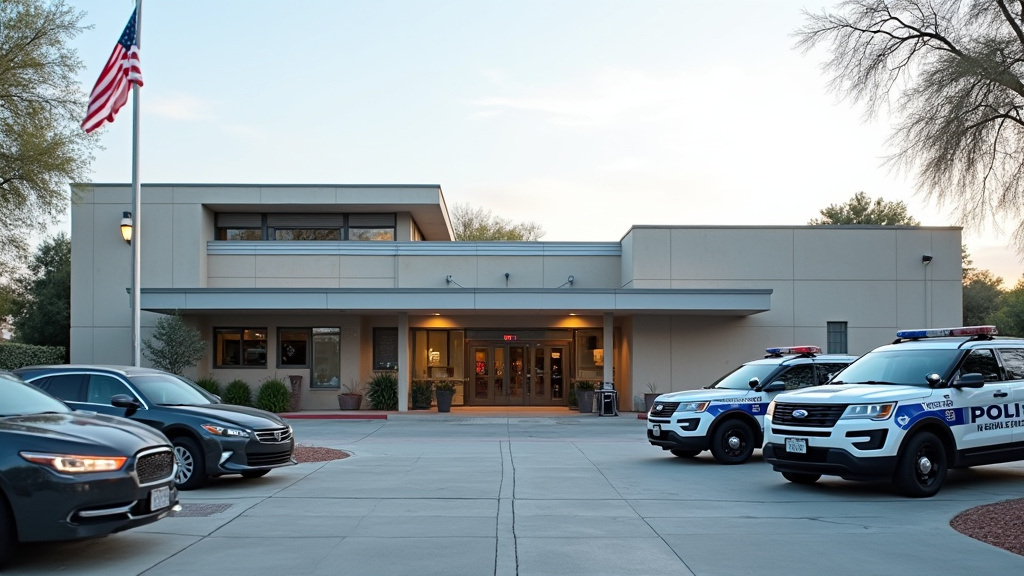
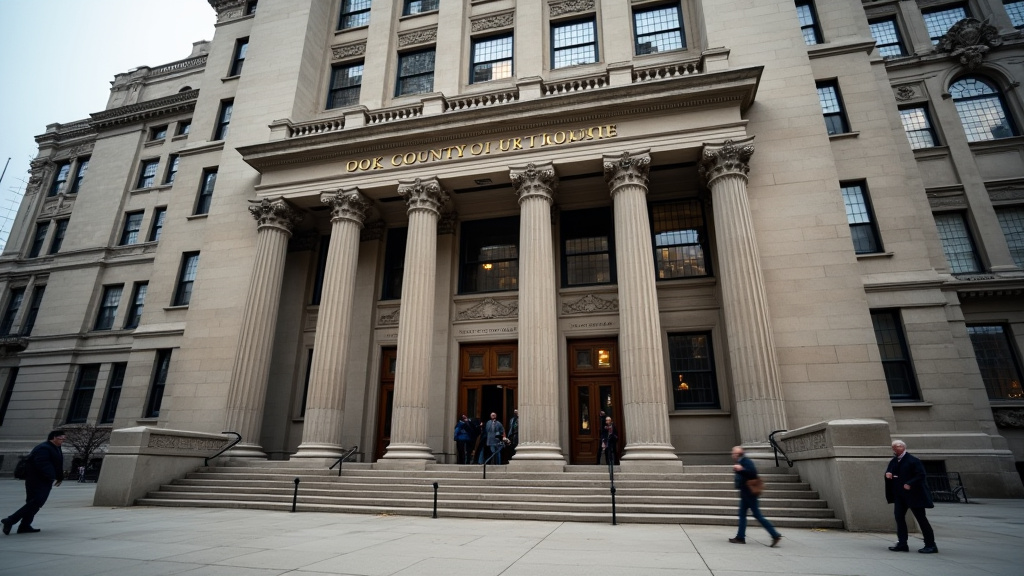
Chicago police officials confirmed that at least seven people were wounded in separate shooting incidents across the city through Saturday night, marking a sobering start to the weekend as the Chicago Police Department (CPD) continues to manage an uptick in urban gun violence. The victims, ranging in age from 16 to 43, were transported to area hospitals for treatment, with investigations currently active across multiple precincts. The incidents, which occurred in geographically disparate neighborhoods, highlight the persistent challenge of public safety in Chicago as authorities work to piece together the events surrounding each shooting.
Key Highlights
- Casualty Demographics: Seven victims total, with ages confirmed by CPD ranging from 16 to 43 years old.
- Incident Distribution: Shootings occurred in multiple, separate locations throughout the city, rather than a single concentrated event.
- Investigation Status: Area detectives are currently processing crime scenes and reviewing evidence; no immediate suspects have been announced as of Sunday morning.
- Ongoing Operations: The Chicago Police Department remains on high alert, with increased patrolling in hotspots identified by the city’s Gun Violence Reduction Strategy.
Anatomy of the Weekend Violence
The violence began late Friday and continued through Saturday night, following a pattern often seen in major metropolitan areas during warmer months. According to preliminary reports from the Chicago Police Department, officers were dispatched to several scenes in response to “ShotSpotter” alerts and emergency 911 calls.
In each instance, first responders focused on stabilizing the victims before transporting them to the city’s Level 1 trauma centers. While specific block-by-block data is still being verified by the Major Crimes Unit, the geographical spread suggests a lack of centralized coordination, pointing instead to the sporadic and often unpredictable nature of interpersonal conflict in high-risk zones. For the CPD, these separate events require a massive allocation of resources, as each crime scene necessitates a forensic team, ballistics analysis, and community canvassing to locate potential witnesses.
The Impact of Gun Violence on Civic Health




The physical toll of seven shootings in a single weekend is merely the surface of the issue. The socioeconomic impact of these injuries extends far beyond the immediate trauma experienced by the victims. Each shooting places a significant burden on the local healthcare infrastructure, particularly public hospitals that bear the brunt of trauma care. Furthermore, the economic cost of managing firearm-related injuries—spanning emergency medical services, long-term rehabilitation, and the loss of productivity—creates a cycle that disproportionately affects marginalized communities.
Researchers often look at these patterns to understand the “neighborhood effect,” where the concentration of violent incidents can alter the psychological well-being of entire blocks, leading to decreased commercial activity and strained community relations with law enforcement. The presence of police tape at seven different scenes over forty-eight hours serves as a constant, somber reminder of the friction between public safety efforts and the realities of street-level disputes.
Investigative Challenges and CPD Tactics
The CPD is currently operating under intense scrutiny regarding its efficacy in closing cases. Detective divisions are tasked with gathering actionable intelligence, which remains difficult in environments where witness cooperation is low. The department utilizes a combination of traditional investigative techniques and data-driven policing. This includes analyzing ballistics from the National Integrated Ballistic Information Network (NIBIN) to determine if the same firearms were used across different incidents—a crucial step in identifying serial offenders or organized groups.
However, the technological approach is only one half of the strategy. The department continues to emphasize the importance of community partnerships, aiming to build trust so that residents feel comfortable reporting suspicious activities before a shots-fired call is triggered. Despite these efforts, the frequency of these weekend incidents serves as a benchmark for the department, often prompting discussions at City Hall regarding the need for additional resources, such as after-school programs, mental health support, and localized conflict mediation, to stem the tide of violence before it escalates to the use of firearms.
FAQ: People Also Ask
Q: What is the current status of the investigations into the seven shootings?
A: As of the latest update from the CPD, investigations remain open and active for all incidents. Detectives are currently canvassing areas for surveillance footage and witness statements.
Q: Where can citizens find real-time updates on crime statistics in Chicago?
A: The Chicago Police Department maintains a public-facing data portal where crime statistics, including shooting incidents and violent crime reports, are updated on a rolling basis for public transparency.
Q: Are these shootings considered connected?
A: At this stage, the CPD has not linked these specific incidents to a single event or perpetrator. They are being investigated as separate occurrences in different parts of the city.
Q: How can residents provide tips without fear of retaliation?
A: The Chicago Police Department operates an anonymous tip line and an online portal (cpdtip.com) where residents can submit information without being required to reveal their identity.