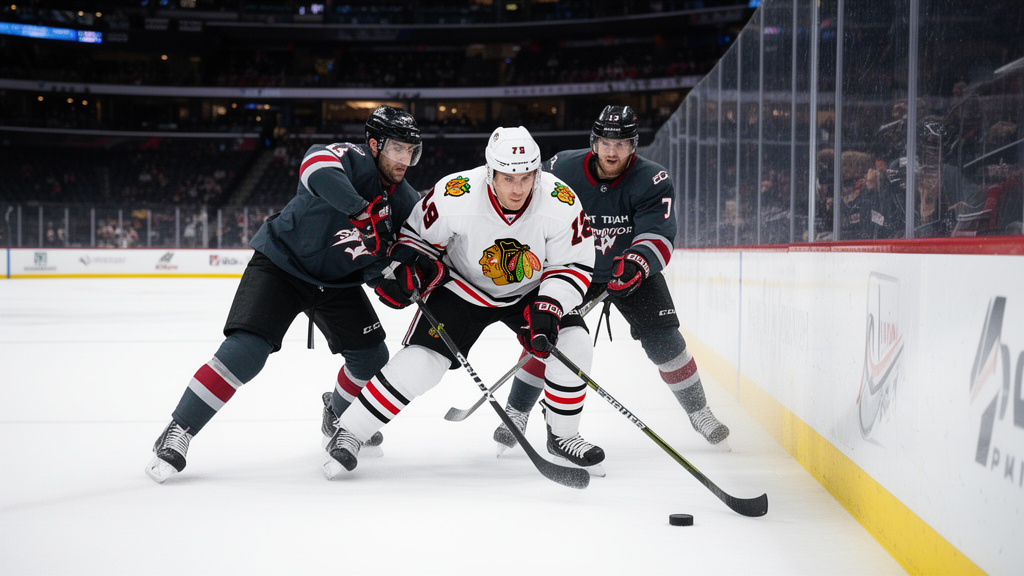
The Chicago Bears kicked off their 2026 preseason with a dominant 34-10 victory over the Cleveland Browns at Soldier Field, sending a clear message to the rest of the league regarding their preparedness and depth. In front of a raucous home crowd, the Bears showcased a balanced offensive attack and a suffocating defensive front that kept the visiting Browns largely neutralized throughout the four quarters of play. While preseason outcomes are rarely indicative of full-season records, the sheer efficiency displayed by the Chicago squad suggests that the coaching staff’s focus on tactical discipline during training camp is already paying tangible dividends.
Key Highlights
- Decisive Margin: The Bears cruised to a 34-10 win, marking one of the most lopsided preseason openers in recent franchise history.
- Soldier Field Advantage: Despite the exhibition nature of the contest, the Bears capitalized on home-field energy, dominating both lines of scrimmage early.
- Defensive Pressure: The Chicago defensive unit recorded multiple sacks and forced key turnovers, effectively stifling the Browns’ offensive rhythm.
- Depth Chart Clarity: Several young prospects made significant cases for final 53-man roster spots, particularly in the wide receiver and secondary rotations.
Tactical Superiority: Dissecting the Bears’ Decisive 34-10 Statement
The 34-10 victory serves as more than just a notch in the win column; it functions as a diagnostic tool for the organization. In the modern NFL, the preseason is primarily a laboratory for coaching staffs to test the limits of their schemes without the risk of regular-season consequences. However, the intensity with which the Bears approached this contest at Soldier Field indicates a culture shift that prioritizing winning—even in August—can instill.
The Quarterback and Offensive Philosophy
For the Chicago Bears, the primary objective entering this matchup was testing the efficiency of the new offensive coordinator’s system. Throughout the first half, the passing game displayed a level of rhythm that has been absent in previous years. By emphasizing short-to-intermediate routes, the quarterbacks were able to mitigate the pass rush of the Cleveland Browns, utilizing the flats and the seam to dismantle zone coverages. The 34-point output was not merely the result of explosive individual plays but rather a consistent, methodical drive-building approach. This indicates that the team is successfully transitioning toward a ball-control philosophy, which is essential for surviving the rigorous 17-game regular season. The ability to sustain drives in the preseason suggests that the communication lines between the sidelines and the field are operating with high precision.
Defensive Scheme Implementation and Aggression


Defensively, the Bears appeared to be in mid-season form, particularly regarding their ability to generate pressure from unconventional fronts. The Browns struggled to identify blitz packages throughout the evening, leading to a stifling performance that kept the Cleveland offense confined to just 10 points. This defensive dominance is a critical development. With the league trending toward high-scoring offenses, a defense that can control the line of scrimmage and force quarterbacks into check-down situations is invaluable. The secondary’s performance was equally encouraging; by maintaining tight coverage and limiting yards after the catch, the Bears forced the Browns to sustain long, error-prone drives, which eventually led to the turnover opportunities that defined the latter half of the game.
The Soldier Field Factor and Roster Depth
Historically, Soldier Field has been a challenging environment for visitors, and this preseason matchup proved no different. The familiarity with the turf, the wind patterns, and the specific acoustics of the stadium gave the home team an undeniable comfort level. Perhaps more importantly, this game provided critical game tape for depth players vying for roster spots. The disparity in the final score—34-10—speaks volumes about the quality of the Bears’ second and third-string units. In previous seasons, the talent drop-off between starters and reserves was a notable concern. In this game, however, the level of play remained high even after the first-team units were removed from the field, suggesting that the front office has successfully built a more robust and capable roster from top to bottom.
Future Implications for the 2026 Season
While it is vital to keep expectations tempered for an exhibition game, the performance of the Chicago Bears against a formidable Cleveland Browns team cannot be ignored. The team displayed resilience, tactical versatility, and an impressive level of physical conditioning. As the organization pivots toward the next phase of the preseason, the focus will likely shift from evaluating raw talent to refining situational football—specifically red-zone execution and third-down efficiency. If the Bears can maintain this trajectory, they may find themselves positioned to make a significant push for a postseason berth, shifting the narrative surrounding the franchise from rebuilding to contending.
FAQ: People Also Ask
Q: Do preseason games like the 34-10 win count toward the official team record?
A: No, preseason games are exhibition matches and do not count toward the official NFL regular-season standings or playoff qualification. They are used exclusively for roster evaluation and scheme testing.
Q: Why was the score so lopsided between the Bears and Browns?
A: The score reflected a combination of superior execution by the Bears’ second and third-string players and a lack of depth or cohesion in the Browns’ roster during this specific stage of the preseason evaluation process.
Q: What is the significance of playing at Soldier Field during the preseason?
A: Playing at home allows teams to calibrate their logistics, get rookies accustomed to the environment, and build confidence before the pressure of regular-season home games begins.
Q: What should fans watch for in the upcoming preseason weeks?
A: Look for the coaching staff to increase the complexity of the play-calling and for the competition at key positions (such as backup quarterback, offensive line rotation, and defensive depth) to intensify as final roster cutdown dates approach.