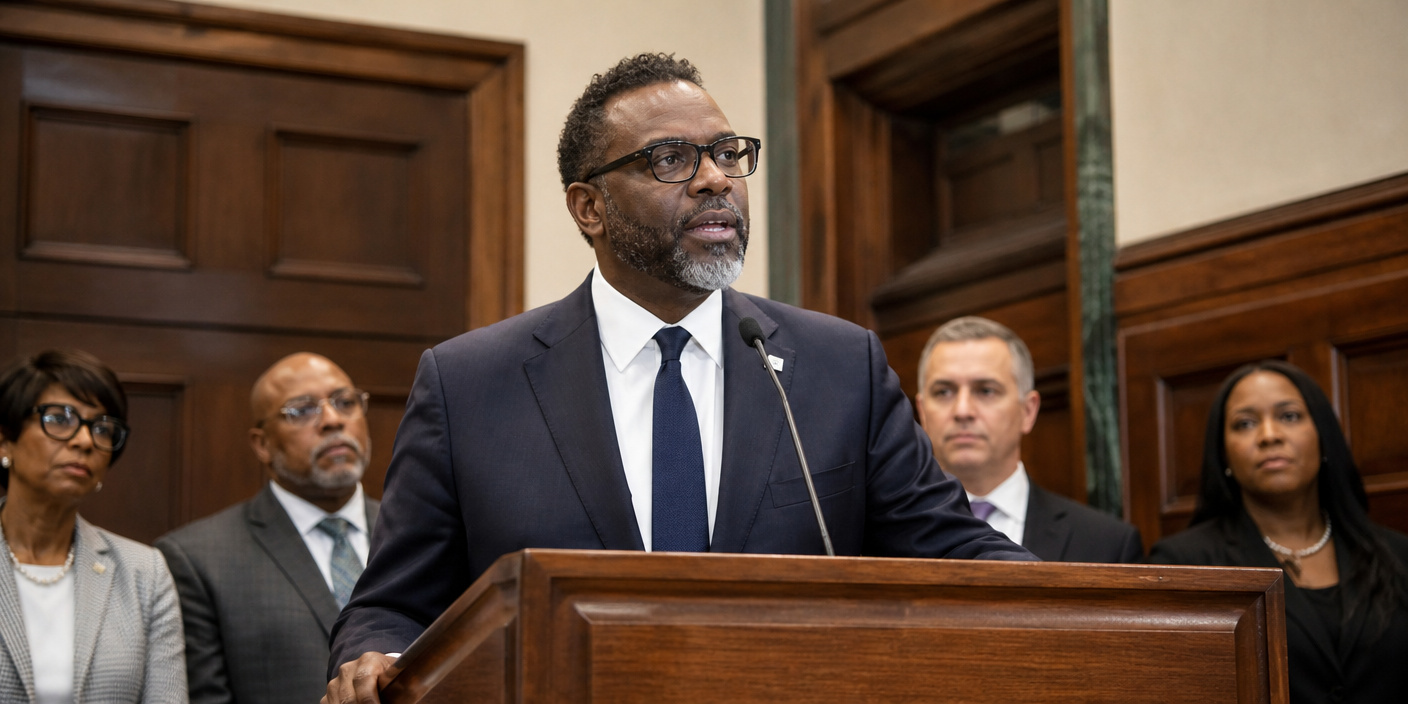
Chicago’s municipal government is facing a profound institutional crisis as a revolving door in the Chief Financial Officer’s office coincides with a staggering projected budget deficit. The resignation of Jill Jaworski—the third CFO to depart the administration in the span of twelve months—has triggered more than just administrative alarm; it has prompted the Chicago City Council to launch an aggressive legislative investigation into Mayor Brandon Johnson’s financial stewardship. With fiscal warning lights flashing red across the city’s ledgers, aldermen are now demanding accountability, alleging that the administration has consistently downplayed the severity of the city’s economic condition.
The Revolving Door: A Crisis of Leadership
The departure of Jill Jaworski is not merely a personnel issue; it is a signal of deep-seated instability within City Hall. For the CFO position to be vacated three times in a single year is highly irregular for a municipality the size of Chicago, which operates a multi-billion dollar annual budget. Financial stability relies on continuity, institutional memory, and a consistent strategy for revenue collection and expenditure management. Each resignation creates a vacuum of leadership, stalling critical decisions regarding long-term bond obligations, pension fund contributions, and the day-to-day management of city departments.
Financial analysts and critics alike argue that this turnover suggests a fundamental misalignment between the Mayor’s ambitious social spending agenda and the technical reality of the city’s balance sheet. When professional financial managers depart repeatedly, it often indicates that they are being pressured to sign off on budget proposals that they deem fiscally untenable or transparently inaccurate. This trend has left the Comptroller’s office and the Mayor’s budget team in a state of flux just as the city faces some of its most difficult fiscal decisions in a generation.
The Numbers Game: A $1 Billion Deficit
The urgency of this investigation is driven by hard data. Recent internal forecasts have projected a budget gap for the upcoming fiscal year that nears $1 billion. This is not a nominal variance; it is a structural deficit that threatens the city’s ability to maintain public services without drastic tax hikes or severe service cuts.


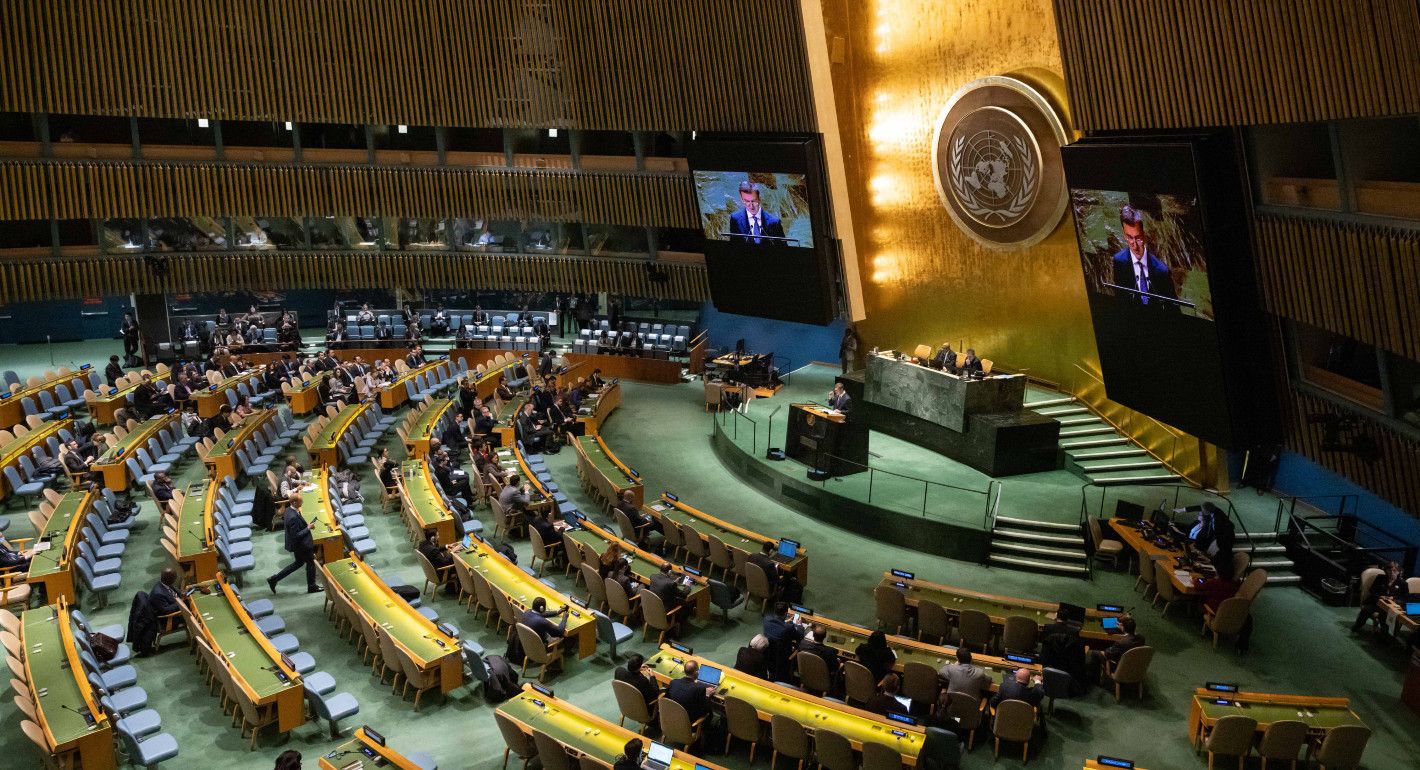

For months, the Johnson administration has been accused of obfuscating the reality of this shortfall. Critics on the City Council claim that revenue projections were overly optimistic, while the costs of city operations—particularly regarding labor contracts and social support services—were severely underestimated. This disparity has led to accusations that the administration engaged in a form of “budgetary accounting gymnastics” to present a rosier picture to the public and credit rating agencies than what was actually supported by the cash flow. The market is watching: should credit rating agencies like Moody’s or S&P decide that Chicago’s management is incapable of balancing its books, the city’s borrowing costs could spike, further exacerbating the fiscal crisis.
Legislative Oversight: The Council Strikes Back
In response to these developments, the City Council’s Finance Committee has signaled its intent to use its subpoena power to uncover the truth regarding the administration’s financial reporting. This is a significant escalation in the ongoing tension between the Mayor’s office and the legislative branch. By moving to investigate, the Council is effectively declaring a lack of confidence in the Mayor’s financial stewardship.
The investigation aims to identify exactly when the administration became aware of the projected deficit and why this information was not communicated to the public or the Council with the necessary speed and accuracy. Aldermen are particularly concerned about the specific financial assumptions underpinning the recent budget drafts. If it is discovered that the administration knowingly provided misleading data, the political fallout could be severe, potentially crippling Mayor Johnson’s legislative agenda for the remainder of his term.
Secondary Angles: Analyzing the Fallout
1. Impact on Bond Markets and Credit Ratings: The most immediate economic risk is the reaction of the municipal bond market. If the uncertainty regarding Chicago’s financial leadership and budget integrity persists, investors may demand higher yields to hold Chicago debt. This would increase the city’s interest payments, permanently reducing the funding available for public services.
2. The Pension Crisis Complication: Chicago’s pension liabilities remain the long-term anchor dragging down its credit rating. With the budget gap already looming, any mismanagement of the current operating budget creates a direct conflict with the city’s obligation to fund its pension systems. This investigation could highlight whether the administration is prioritizing short-term political goals over the long-term solvency of these funds.
3. Labor Relations and Future Negotiations: As the city approaches new contract negotiations with major unions, the financial data available is crucial. If the unions believe the city is hiding money to avoid raises, or conversely, if the administration uses budget “warning signs” to justify wage freezes, the trust between the city and its employees will erode further. The fallout of this investigation will likely dictate the tone of labor relations for the next two years.
FAQ: People Also Ask
Q: Why has the CFO position turned over so frequently in Chicago?
A: While the administration cites various personal reasons, industry experts point to the extreme pressure of managing a massive, structural budget deficit under a Mayor with an aggressive spending agenda, leading to potential friction between political goals and fiscal realities.
Q: What is the significance of the City Council investigation?
A: It represents a rare and powerful move to exercise legislative oversight, potentially utilizing subpoena power to compel the release of internal documents, which could prove that the administration intentionally misled the public about the true size of the city’s budget deficit.
Q: How does this affect Chicago taxpayers?
A: If the city cannot resolve its budget deficit through efficient management, the fallback options are typically property tax increases or reductions in city services—such as police, fire, or sanitation—which directly impact the quality of life for residents.