On Thursday, November 19, the Chicago Transit Authority (CTA) faced significant operational disruption following a fatality at the Wilson Station, a critical transit hub on the Red Line. The incident, which occurred amidst a broader spike in community unrest, left thousands of commuters stranded and highlighted the fragile intersection between public safety and the city’s essential infrastructure. For Chicago residents, the event was more than a mere delay; it underscored the mounting pressure on the city’s North Side transit and safety networks.
Key Highlights
- Wilson Station Closure: A fatality at the station resulted in an immediate, indefinite suspension of Red Line service, causing significant rush-hour bottlenecks.
- North Side Violence: The transit incident occurred against a backdrop of multiple reported shootings in the North Side area, creating a tense atmosphere for local commuters.
- Operational Ripple Effects: The closure forced thousands of riders to seek alternative routes, overwhelming local bus corridors and highlighting transit system vulnerabilities.
- Public Safety Concerns: Local authorities are balancing the investigation at the station with the ongoing response to gun violence in surrounding neighborhoods.
Navigating Chicago’s North Side: A Transit and Safety Nexus
For residents of Chicago’s North Side, Thursday, November 19, became a day defined by structural and communal instability. The tragedy at Wilson Station, which serves as a linchpin for both the Red and Purple Lines, sent shockwaves through the metropolitan transit network. While the Chicago Transit Authority works to normalize service, the event has reignited conversations regarding the safety and reliability of public transport in an era of heightened urban insecurity.
The Anatomy of a Transit Stoppage
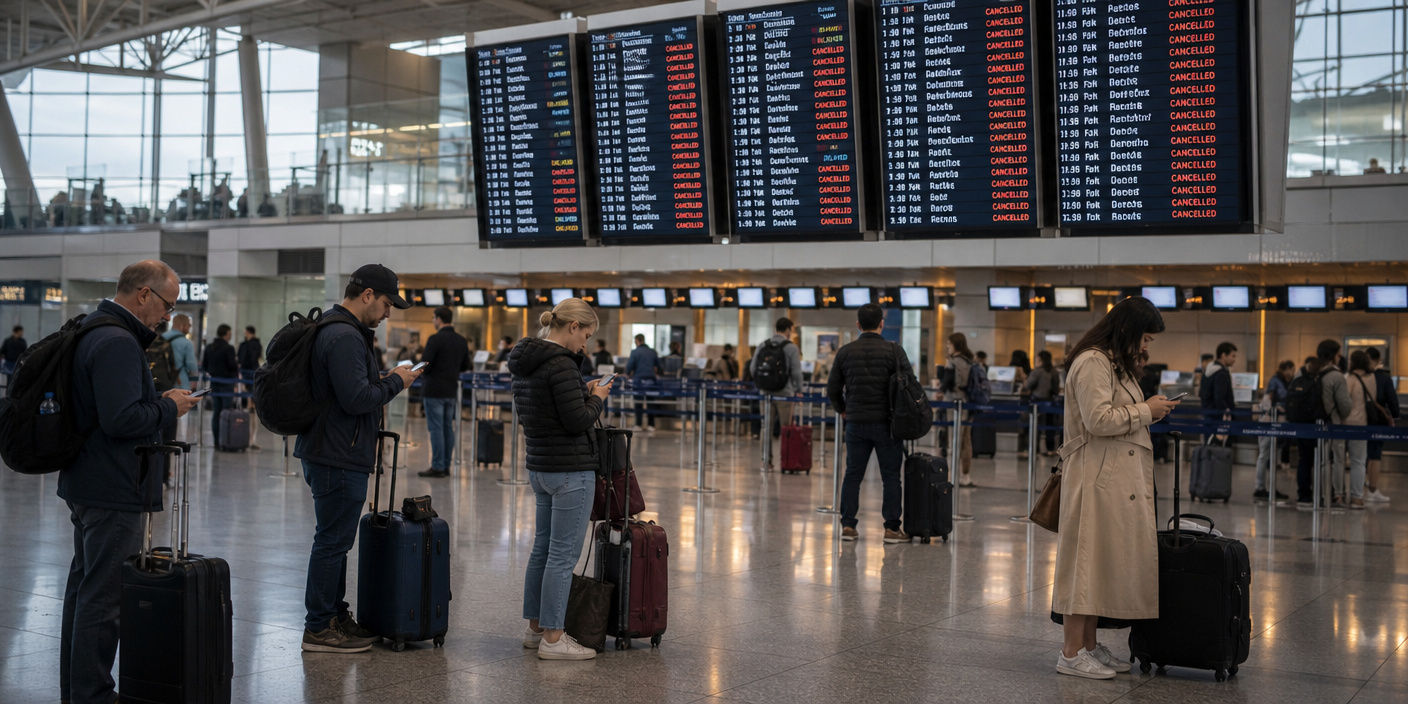
When a fatality occurs within a transit hub as high-traffic as Wilson Station, the mechanical and logistical fallout is immediate and severe. The station serves as a major artery, facilitating travel for tens of thousands of daily commuters. By Thursday morning, the suspension of service triggered a domino effect: Red Line trains were halted, forcing passengers to disembark and navigate a fragmented grid of replacement shuttles and ride-share services.
From a logistical standpoint, the CTA’s response demonstrated the inherent difficulty in managing high-volume rail traffic during emergency closures. Without the Red Line, commuters on the North Side were left with limited alternatives, placing immense pressure on the #36 Broadway and #22 Clark bus routes. The economic impact of such delays—measured in lost productivity and hours of commuter frustration—is difficult to quantify, but it serves as a stark reminder of the city’s reliance on a singular, vulnerable rail backbone.
The Broader Context: A North Side in Turmoil


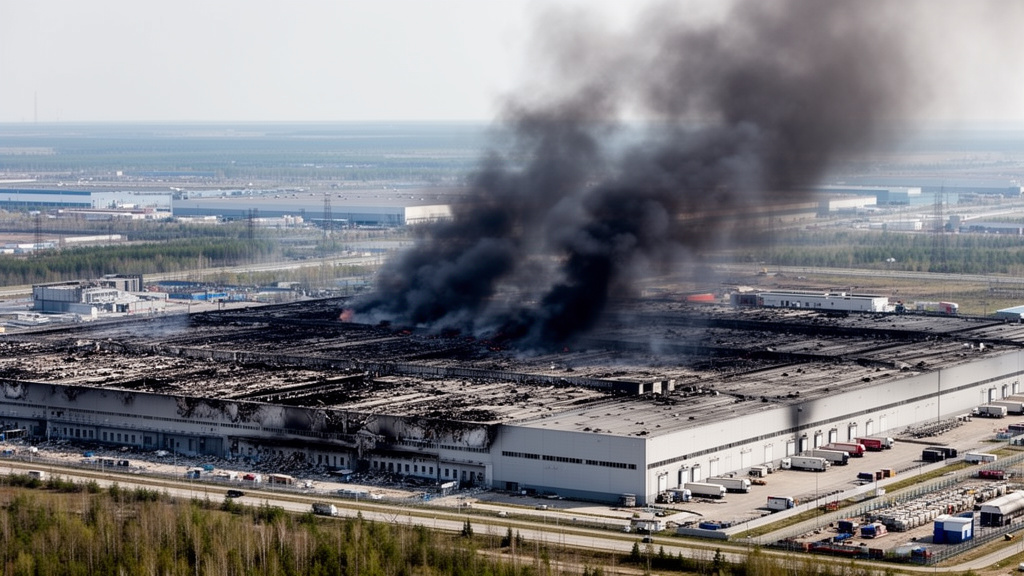

It is impossible to analyze the Wilson Station incident in a vacuum. On November 19, the surrounding North Side neighborhoods were already reeling from a series of reported shootings. While the specific fatality at the station is distinct from the neighborhood gun violence, the proximity of these events creates a compounding psychological and social impact for Chicagoans.
Transit hubs often act as the ‘front porch’ of a city, and when these spaces are marred by violence or tragedy, it shapes the collective perception of neighborhood safety. The Chicago Police Department has increased visibility in the wake of the shootings, yet the simultaneous nature of the transit delay suggests a city stretched thin. The challenge for local officials is not merely the investigation of individual incidents, but the restoration of public confidence in the safety of shared spaces.
Future-Proofing Urban Mobility
Looking toward the future, the Wilson Station event serves as a call to action for urban planners and transit authorities. To enhance resilience, the CTA must evaluate how it manages ‘bottleneck’ events. Potential improvements include:
1. Redundancy Protocols: Developing more agile, real-time bus-bridge activation systems that can bypass impacted stations within minutes rather than hours.
2. Integrated Safety Response: Creating stronger communication loops between the Chicago Police Department and the CTA to manage public-facing crises with greater speed.
3. Infrastructure Hardening: Implementing smarter crowd management and safety barriers at high-traffic platforms to prevent potential hazards.
As Chicago moves past this difficult Thursday, the focus must remain on the long-term sustainability of the Red Line. Whether through increased staffing, better emergency communication, or improved inter-agency cooperation, the goal remains the same: ensuring that the city’s primary mode of transit can withstand the pressures of a complex, urban environment.
FAQ: People Also Ask
How long did the service disruption at Wilson Station last?
Service disruptions following fatalities often last several hours as the scene is processed by law enforcement and transit officials. Commuters were advised to check the CTA website for real-time tracking during the remainder of the day on November 19.
Are the North Side shootings related to the Wilson Station incident?
As of the current reporting, the Chicago Police Department treats the fatality at Wilson Station and the reported shootings in the North Side area as separate incidents. However, both contribute to a heightened state of alert across the district.
What should Red Line commuters do during major outages?
Commuters are encouraged to utilize the CTA’s official transit apps and alerts. When major rail lines are suspended, the city typically deploys bus bridges, but using ride-share apps or alternative public transit routes is often necessary during peak hours to avoid overcrowding.