Chicago taxpayers spent $259 million to resolve police misconduct lawsuits in 2025, a figure three times higher than in 2024, according to an annual report on costs associated with lawsuits against the Chicago Police Department. The report details the financial impact of these legal cases on the city’s budget.
Key Highlights
- Record Payouts: Chicago taxpayers funded $259 million for police misconduct lawsuits in 2025.
- Tripled Costs: This represents a threefold increase compared to the $86 million spent in 2024.
- Budget Strain: The escalating legal expenses place significant pressure on the city’s finances.
- Transparency Report: The figures come from an annual report mandated to detail costs related to lawsuits against the Chicago Police Department.
Soaring Legal Bills Strain Chicago’s Budget
The financial burden on Chicago taxpayers for settling police misconduct lawsuits reached an unprecedented $259 million in 2025. This alarming figure, detailed in the city’s annual report on legal costs, signifies a dramatic threefold increase from the $86 million spent in 2024. The report underscores the escalating financial impact of litigation against the Chicago Police Department, raising questions about accountability and fiscal responsibility.
Analyzing the Escalation
This surge in legal expenses is not merely an abstract number; it represents a significant diversion of public funds that could otherwise be allocated to essential city services such as education, infrastructure, or public safety initiatives. The year-over-year increase is particularly stark, pointing to a potential rise in the number of claims filed or a significant increase in the average settlement amount. While the report itself provides the raw financial data, it leaves room for deeper analysis into the contributing factors behind these escalating costs. These may include changes in litigation trends, jury verdicts, or the department’s internal disciplinary processes and oversight mechanisms.
Accountability and Reform
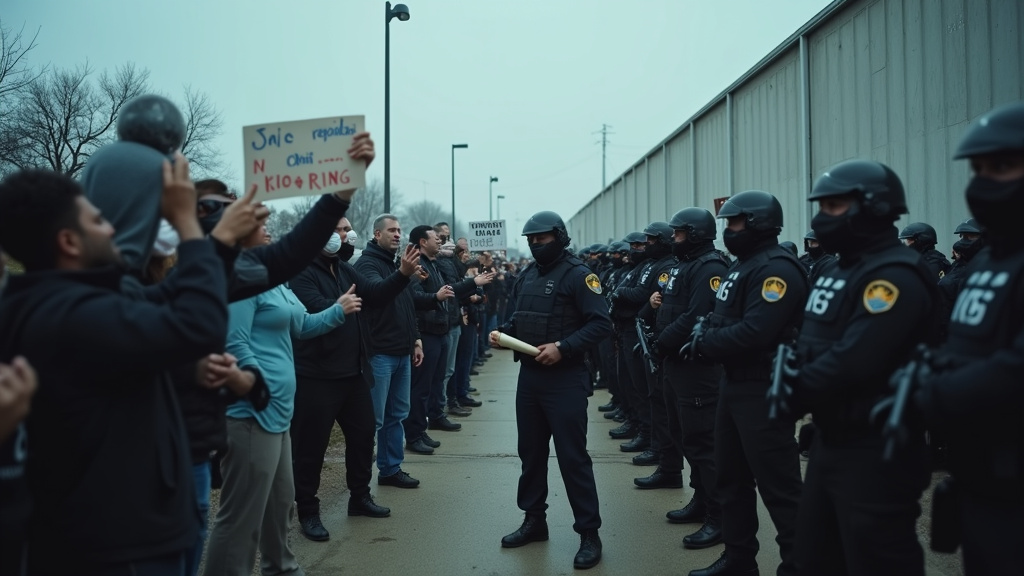


The sheer scale of these payouts inevitably prompts discussions about police accountability and the effectiveness of ongoing reform efforts within the Chicago Police Department. Critics argue that such high settlement costs indicate systemic issues that persist despite numerous reforms aimed at curbing misconduct. Advocates for police reform often point to these financial figures as a clear indicator that more robust oversight, rigorous training, and swifter disciplinary actions are necessary to prevent future misconduct and, consequently, reduce legal liabilities. The city’s continued financial commitment to resolving these lawsuits highlights the ongoing challenge of balancing public safety with the imperative to ensure constitutional rights and due process for all citizens.
The Economic Ripple Effect
Beyond the direct financial outlay, the resolution of police misconduct lawsuits carries broader economic implications for Chicago. The substantial sums paid out in settlements can impact the city’s credit rating and its ability to secure favorable financing for capital projects. Furthermore, the legal battles themselves consume considerable resources, involving extensive investigation, legal fees, and court costs, which further strain the city’s budget. The focus on these large payouts also diverts attention and resources from proactive crime prevention strategies and community policing initiatives that could ultimately reduce the incidence of misconduct and the need for costly litigation.
Historical Context and Future Outlook
While the 2025 figures represent a sharp spike, the history of police misconduct lawsuits in Chicago is marked by significant financial outlays over many years. Understanding the trend requires looking beyond a single year to identify patterns and underlying causes. The report serves as a critical tool for policymakers, community leaders, and residents to assess the efficacy of current policies and to advocate for changes that promote accountability and fiscal prudence. Moving forward, the city faces the challenge of implementing strategies that not only mitigate legal costs but also foster a more just and equitable relationship between the police department and the communities it serves. The long-term goal is to reduce the occurrence of misconduct, thereby diminishing the need for expensive lawsuits and fostering greater public trust.
FAQ: People Also Ask
What is the primary source of the financial figures regarding police misconduct lawsuits in Chicago?
The primary source is the city of Chicago’s annual report detailing the costs associated with lawsuits against the Chicago Police Department. This report is designed to provide transparency on these specific expenditures.
How does the 2025 spending compare to previous years?
The $259 million spent in 2025 is threefold higher than the $86 million spent in 2024, marking a significant and sharp increase in financial obligations for police misconduct lawsuit resolutions.
What are the potential implications of these high lawsuit costs for Chicago’s budget?
These high costs can strain the city’s budget, potentially diverting funds from other essential services like education, infrastructure, or public safety initiatives. It can also impact the city’s credit rating and its ability to finance future projects.
Does the annual report specify the exact number of lawsuits resolved?
The provided source data does not specify the exact number of lawsuits resolved, but it clearly states the total financial amount spent by taxpayers for these resolutions in 2025.
What are the arguments for or against the current level of police misconduct lawsuit settlements?
Arguments often revolve around police accountability and reform. Proponents of higher settlements argue they are necessary to compensate victims and incentivize change. Critics may question the validity of claims or suggest that settlements are sometimes too high, potentially indicating issues with the legal system or department practices.