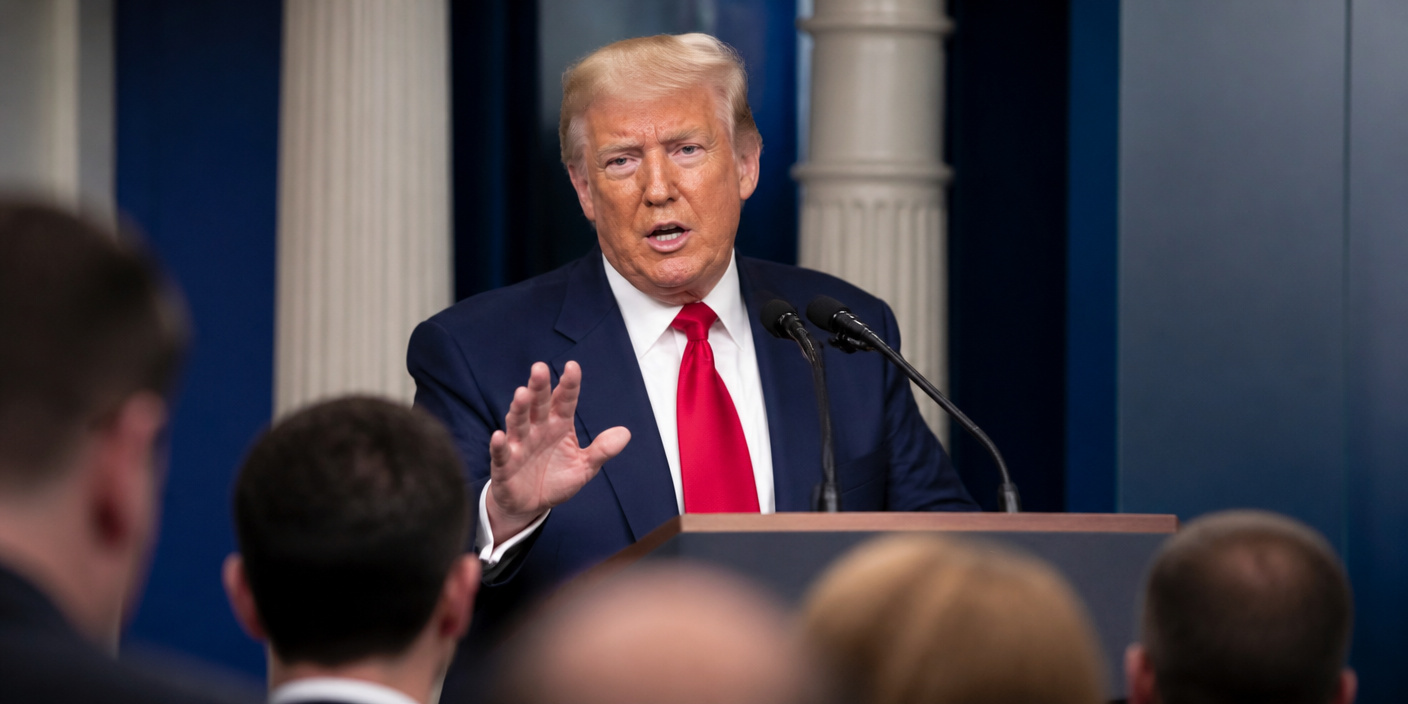
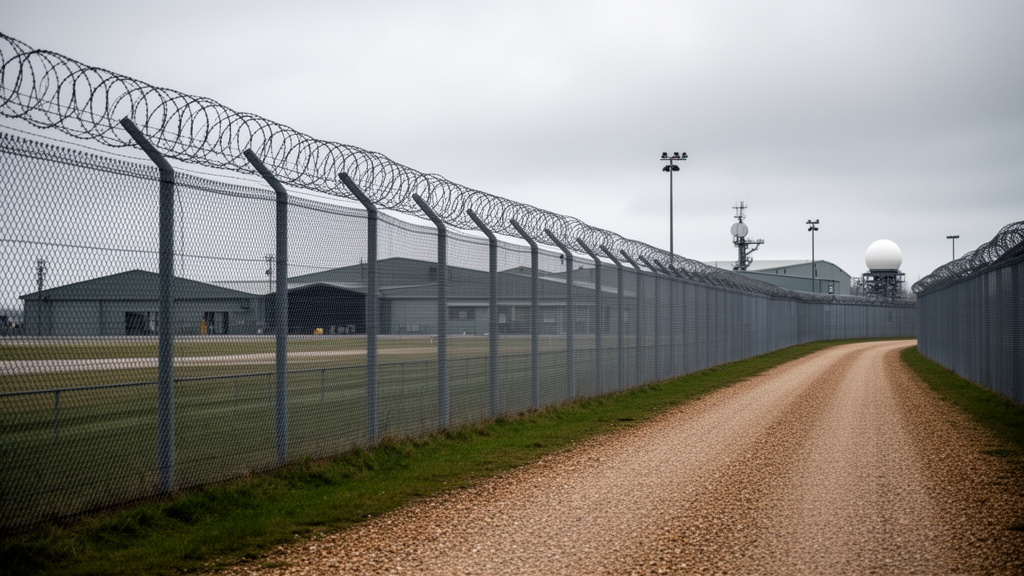
Iran has announced retaliatory strikes targeting US bases and strategic centers in Bahrain, Kuwait, and Qatar. This action follows two consecutive nights of US bombing raids on Iranian cities, which resulted in significant casualties. The exchange of fire has intensified the ongoing conflict, with both nations accusing each other of violating a fragile ceasefire agreement and escalating tensions in the vital Strait of Hormuz.
US Strikes and Iranian Casualties
The US strikes, described by President Donald Trump as “retribution” for alleged Iranian attacks on commercial ships in the Strait of Hormuz, have caused a substantial loss of life and injury. According to Iranian health ministry reports, these strikes resulted in 14 deaths and left 78 individuals injured, with 47 remaining hospitalized. Explosions were reported in several Iranian cities along the Strait of Hormuz, including Bushehr, Chabahar, Bandar Abbas, and Sirik. The US military stated its strikes targeted Iranian military sites involved in attacks on commercial shipping and aimed to degrade Iran’s capacity to threaten freedom of navigation. US Central Command reported hitting approximately 90 targets in Iran during the second round of strikes, including missile launchers, air defenses, and logistics infrastructure.
Iran’s Counteroffensive
In response to the US actions, Iran launched missile and drone attacks on what it described as US military facilities in Bahrain, Kuwait, and Qatar. Iran’s Revolutionary Guard claimed responsibility for attacks on US military bases in Bahrain and Kuwait, terming them the first phase of a “punitive response.” These counterstrikes were aimed at disrupting air defense systems and other military infrastructure. Bahrain and Kuwait reported their air defenses intercepted incoming missiles and drones. Qatar condemned the Iranian attacks on Bahrain and Jordan while urging a return to diplomacy. Despite these counterattacks, a US official suggested that the dozens of missiles and drones fired by Iran caused no significant damage or injuries to US personnel.
Diplomatic Fallout and Ceasefire Concerns



The tit-for-tat strikes have cast a shadow over the interim ceasefire agreement between the US and Iran, which was signed on June 17. President Trump declared the ceasefire “over” following the initial US strikes. Both sides have accused each other of violating the agreement. Iran appealed to the UN Security Council, arguing the latest strikes breached the UN Charter. Qatar urged both Washington and Tehran to honor the memorandum and return to dialogue, while Iraq sought to promote rapprochement between the two countries. The escalation has also raised concerns about the future of negotiations concerning Iran’s control over the Strait of Hormuz and its nuclear program.
The Strait of Hormuz: A Strategic Chokepoint
The Strait of Hormuz, a vital waterway through which a significant portion of the world’s oil and gas passes, remains a central point of contention. Iran’s asserted control over the strait has been a key bargaining chip, disrupting global energy supplies. The US military’s actions are aimed at degrading Iran’s ability to threaten navigation in this critical chokepoint. Iran, in turn, has insisted on managing traffic through the strait, warning vessels that deviate from its authorized routes risk consequences.
Wider Regional Implications
The conflict has not been confined to direct exchanges between the US and Iran. Jordan activated nationwide air raid sirens after missiles and drones entered its airspace, and the US Embassy in Amman urged Americans to seek shelter. The broader implications of this escalating conflict extend to regional stability and global energy markets, with oil prices experiencing fluctuations in response to the heightened tensions.
FAQ: People Also Ask
What were the specific locations targeted by US strikes in Iran?
US strikes reportedly hit multiple locations along Iran’s southern coast, including explosions in Bushehr, Chabahar, Bandar Abbas, and Sirik. Other reported targets included military installations, a fishing dock, and the perimeter of the Bushehr nuclear power plant. Railway bridges on routes leading to Mashhad were also targeted.
What was Iran’s stated reason for striking Bahrain, Kuwait, and Qatar?
Iran announced that its strikes on Bahrain, Kuwait, and Qatar were in retaliation for the US bombing of Iranian cities and military sites. They stated that they were targeting air defense systems, fuel storage sites, and other military infrastructure.
What is the significance of the Strait of Hormuz in this conflict?
The Strait of Hormuz is a critical chokepoint for global oil and gas supplies. Iran’s ability to control or disrupt passage through the strait has given it significant leverage. The US strikes are aimed at ensuring freedom of navigation, while Iran asserts its right to manage traffic.
What is the current status of the ceasefire between the US and Iran?
The interim ceasefire agreement, signed on June 17, is reportedly over, according to US President Donald Trump. Both nations have accused each other of violating the terms of the agreement, leading to renewed military exchanges.
What were the reported casualties from the US strikes in Iran?
According to the Iranian health ministry, the US strikes resulted in 14 deaths and 78 injuries, with 47 individuals remaining hospitalized.