Tensions between the United States and Iran have been reignited by a fresh wave of strikes, casting a shadow over a fragile truce. The recent escalations threaten to unravel delicate diplomatic efforts and push the region back towards direct confrontation.
Key Highlights:
- A new series of strikes has increased volatility in the region.
- The fragile truce between the US and Iran is under significant strain.
- Diplomatic channels are being tested as a result of the renewed hostilities.
- International observers are closely monitoring the situation for further escalation.
- The risk of broader conflict has elevated due to the recent developments.
Escalating Hostilities Erode Fragile Truce
Recent days have witnessed a concerning uptick in hostile actions, directly challenging the precarious stability that had begun to emerge between the United States and Iran. These fresh strikes, the specifics of which are still being scrutinized, have sent ripples of alarm through diplomatic circles and raised the specter of a wider regional conflict. The delicate balance painstakingly achieved through indirect channels and cautious de-escalation appears to be teetering on the brink. Analysts suggest that the motives behind these renewed provocations are multifaceted, potentially ranging from domestic political maneuvering within Iran to attempts to disrupt ongoing international negotiations. The immediate consequence has been a palpable increase in military readiness and heightened rhetoric from both sides, creating an environment where miscalculation could have severe repercussions. The international community, including key European allies and regional powers, has urged restraint, emphasizing the need to de-escalate and return to diplomatic solutions. However, the recent actions suggest a willingness by certain actors to test the limits of the current de facto ceasefire.
Unpacking the Latest Provocations
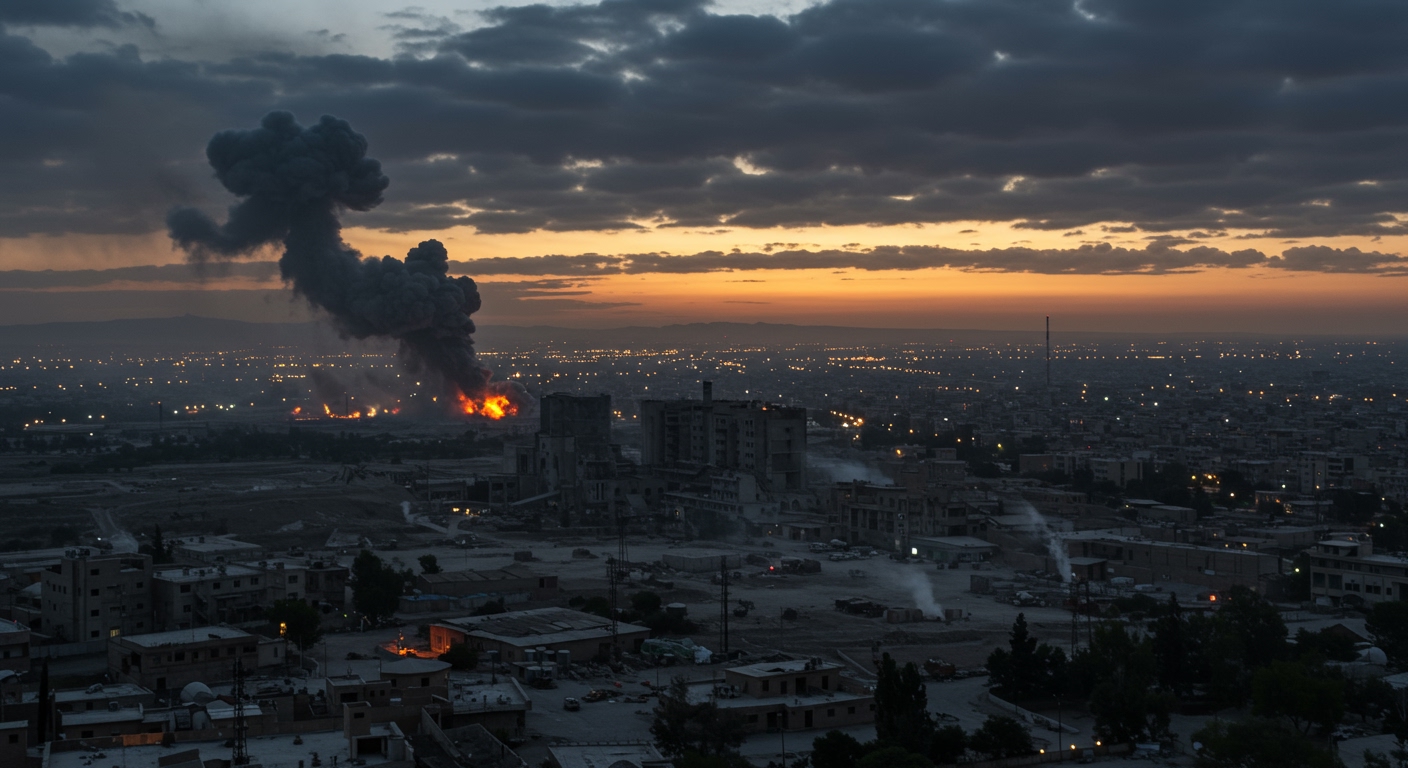


While details remain fluid, reports indicate that the latest series of strikes targeted sensitive locations, leading to immediate condemnations and retaliatory posturing. The exact nature and perpetrators of these strikes are crucial to understanding the trajectory of this escalating crisis. Information warfare and the dissemination of conflicting narratives are already complicating efforts to ascertain the facts on the ground. Both Washington and Tehran have issued statements, each accusing the other of destabilizing actions, further muddying the waters and making a clear path forward even more challenging. The strategic implications of these strikes are significant, potentially impacting maritime security in vital shipping lanes and affecting the broader geopolitical landscape of the Middle East.
Diplomatic Channels Under Immense Pressure
The existing framework for managing US-Iran tensions, often characterized by indirect communication and the involvement of intermediaries, is now facing its most significant test. The recent escalations have placed immense pressure on these channels, threatening to sever the already tenuous lines of dialogue. Diplomats are working around the clock to prevent a complete breakdown, but the window for effective intervention appears to be narrowing. The Biden administration has reiterated its commitment to de-escalation but has also made it clear that the US will not hesitate to respond to direct threats. Iran, meanwhile, faces its own internal pressures, with hardline factions reportedly advocating for a more confrontational stance. The success of diplomatic efforts will hinge on the ability of all parties to step back from the brink and engage in good-faith negotiations.
Regional Repercussions and Global Concerns
The fragile truce’s fragility is not merely a bilateral issue; it carries profound implications for the entire Middle East. A resurgence of direct conflict between the US and Iran could destabilize neighboring countries, exacerbate existing humanitarian crises, and lead to a surge in energy prices globally. The ripple effects would be felt far beyond the immediate region, impacting global trade, security alliances, and international cooperation on other pressing issues. Key regional players, such as Saudi Arabia and the United Arab Emirates, are watching the developments with heightened concern, as any major escalation could directly threaten their security and economic interests. The international community’s role in facilitating de-escalation and preventing a full-blown conflict is therefore paramount.
FAQ: People Also Ask
What is the current state of the US-Iran relationship?
The relationship remains highly adversarial, characterized by deep-seated mistrust and intermittent confrontation. While there have been periods of cautious de-escalation and indirect communication, a fundamental shift towards normalization has not occurred. The recent strikes indicate a significant setback in efforts to manage tensions.
What factors contribute to the fragility of the truce?
Several factors contribute to the truce’s fragility. These include ongoing geopolitical rivalries, domestic political pressures within both countries, the presence of hardline factions advocating for confrontation, and the complex web of proxy conflicts and regional instability. Each side also possesses differing strategic objectives and threat perceptions.
What are the potential consequences of further escalation?
Further escalation could lead to direct military conflict, devastating humanitarian crises, severe economic disruptions (including significant impacts on global oil prices), increased regional instability, and a broader breakdown of international security architecture. The potential for miscalculation and unintended consequences is extremely high.
How are international actors responding to the renewed tensions?
International actors, including the UN, European nations, and key regional states, are generally calling for restraint and urging a return to diplomatic dialogue. Many are actively engaged in behind-the-scenes efforts to mediate and prevent further escalation. However, their influence in compelling adherence to de-escalation remains limited by the complex dynamics between the US and Iran.
What specific events led to the current fragile truce?
The current fragile truce emerged following a period of heightened tensions and near-direct conflict, often linked to specific incidents such as attacks on shipping or military assets. Diplomatic backchannels, often facilitated by third-party nations, were crucial in establishing an informal understanding to prevent further immediate escalation. The specifics often involve complex, unconfirmed incidents and sensitive negotiations.