Chicago’s hospitality sector is bracing for the high-octane impact of “Black Wednesday”—the night preceding Thanksgiving—as local venues report a massive surge in reservation inquiries and event bookings. Widely recognized as one of the city’s most lucrative evenings for the bar and restaurant industry, the night functions as an informal “reunion” event, drawing massive crowds of Chicagoans who have returned home for the holiday weekend. Industry analysts anticipate that this year’s activity will challenge previous records, as the convergence of returning residents and local revelers creates a unique peak in demand for premium dining and entertainment experiences across major hubs like River North, the West Loop, and Wicker Park.
Key Highlights
- Peak Traffic: Black Wednesday consistently ranks as one of the top three highest-revenue nights of the year for Chicago nightlife, often rivaling St. Patrick’s Day.
- Operational Shifts: Venues are increasingly transitioning from open-door policies to ticketed entry or mandatory reservations to manage crowd control and optimize revenue.
- Economic Impact: The surge provides a critical quarterly revenue boost for hospitality staff, though it introduces significant challenges regarding staffing levels and security logistics.
- Public Safety: Chicago law enforcement typically increases patrols and conducts heightened monitoring near high-density entertainment districts to manage the resulting surge in foot traffic and rideshare activity.
The Economics and Culture of Chicago’s Busiest Night
For the uninitiated, “Black Wednesday” is a uniquely Chicagoan phenomenon rooted in the city’s specific demographic patterns. Unlike other major U.S. cities where Thanksgiving Eve is often a quiet precursor to family obligations, Chicago’s nightlife scene experiences a profound, distinct “homecoming” effect. The city, which serves as a massive magnet for young professionals and former residents across the Midwest, sees a temporary population swell that transforms the downtown landscape into a buzzing, high-volume entertainment hub. Data from the Illinois Restaurant Association underscores that this evening represents a critical juncture for the hospitality industry, marking the unofficial kickoff to the winter holiday spending season.
The “Hometown Reunion” Effect
The driving force behind Black Wednesday is the cultural expectation of reconnection. As former Chicagoans return to the city to visit family, the inevitable transition from home dinners to late-night outings creates a density of patrons that is rare even for a major metropolitan area. This creates a specific “high-energy” market segment. Venues are not just selling drinks or food; they are capitalizing on the social necessity of the “reunion.” Consequently, hospitality groups are tailoring their marketing strategies to target large groups, offering semi-private table service packages that cater to friend groups who have not seen each other in months. This demographic behavior creates a predictable, yet intense, spike in demand that allows establishments to forecast revenue with high precision.
Operational Shifts: From Walk-ins to Ticketed Entry
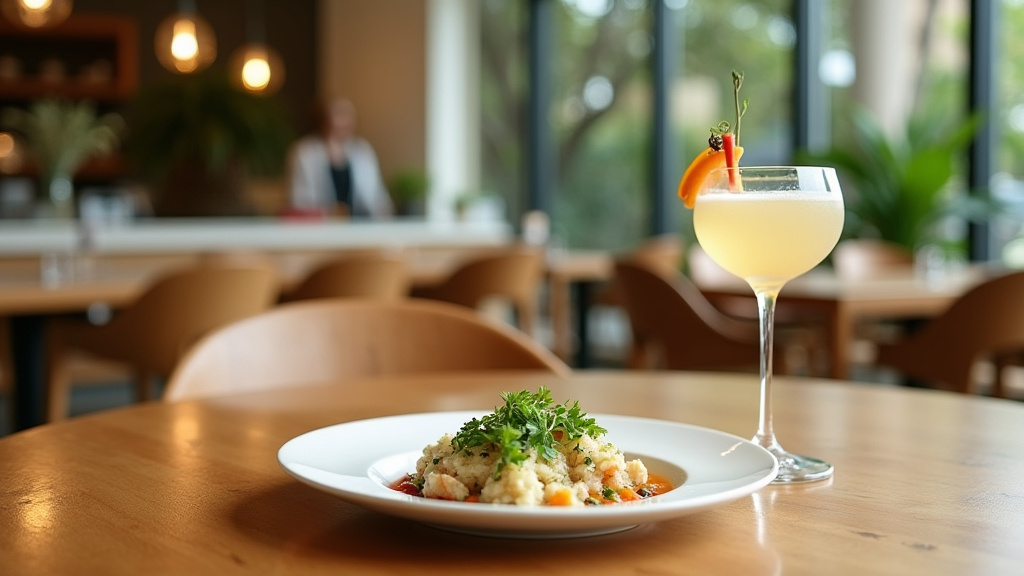
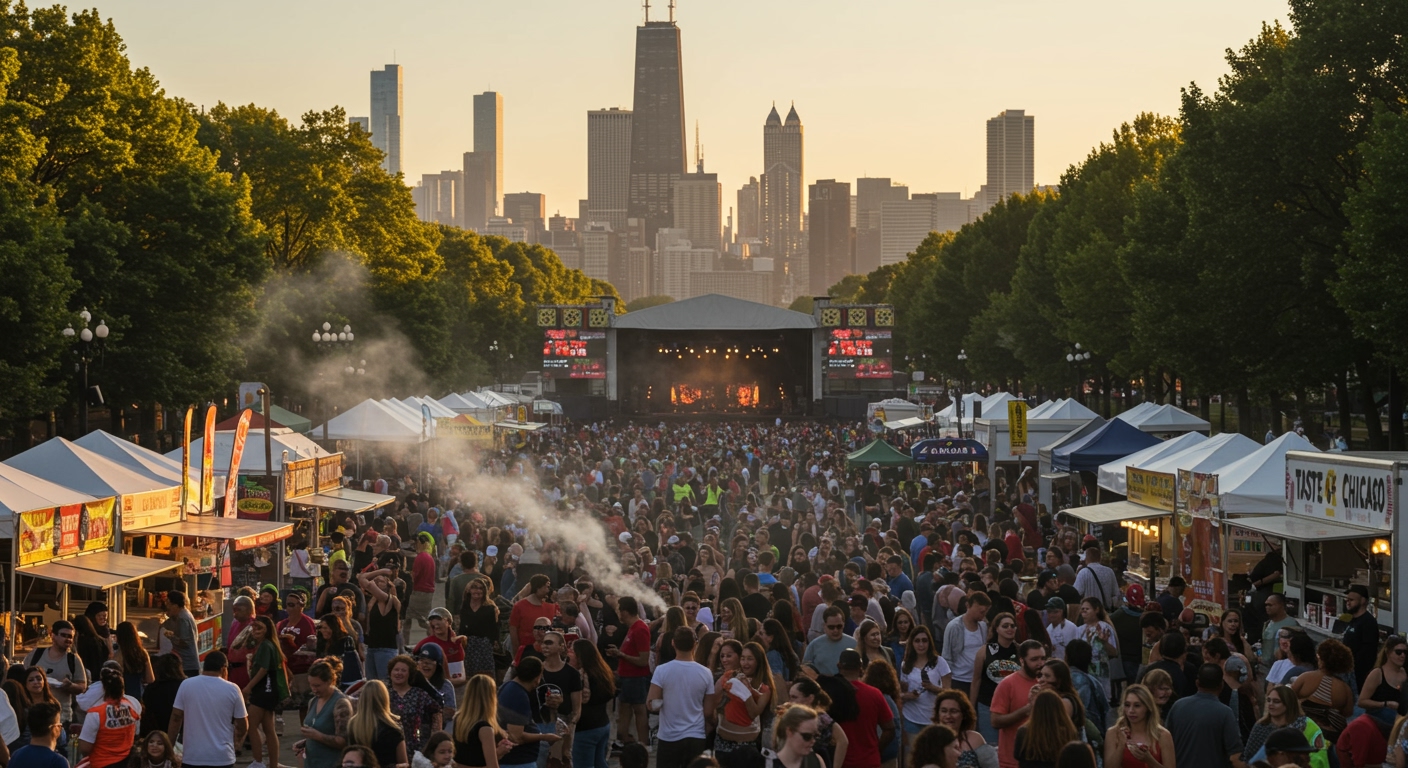

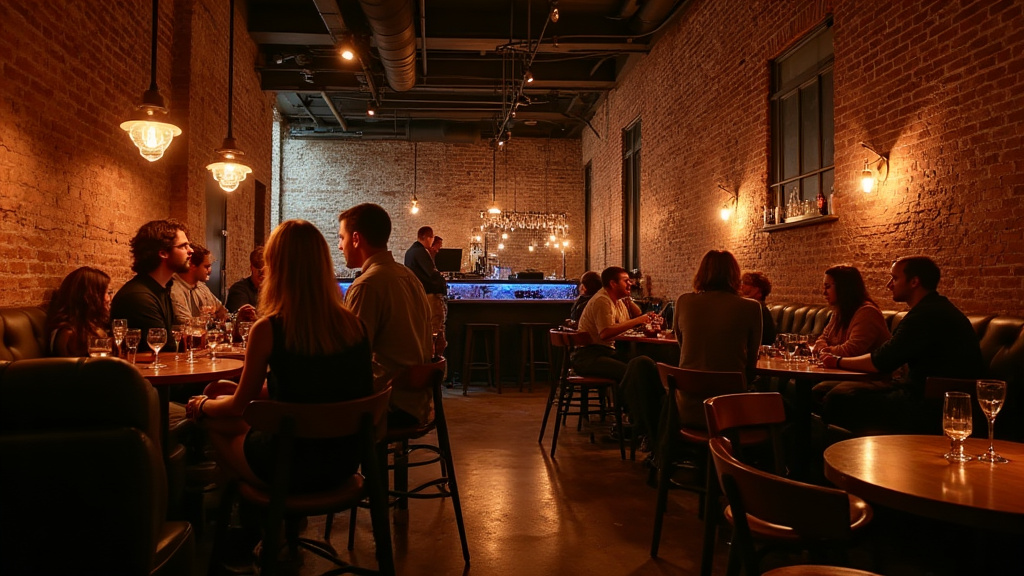
Perhaps the most significant change in the Black Wednesday landscape over the last five years is the shift toward professionalized crowd management. Historically, the night was characterized by long, chaotic queues at the doors of popular bars. Today, that friction is being replaced by digital transformation. Many high-end venues in the West Loop and River North have shifted to ticketed entry or strict reservation systems. By monetizing entry before the night begins, establishments are better able to regulate capacity, manage staff-to-guest ratios, and—most importantly—ensure a predictable revenue stream. This “club-style” operational shift is a direct response to the volatility of past years, where unpredictable crowd sizes led to staffing shortages and service degradation. Operators are now prioritizing the “experience economy,” where patrons pay a premium not just for access, but for guaranteed space, coat check services, and table service.
Public Safety and Transit Strategy
With increased density comes an increased logistical burden on the city. The Chicago Transit Authority (CTA) and rideshare providers are effectively part of the nightlife ecosystem on Black Wednesday. As the night progresses, the primary challenge shifts from internal venue management to external crowd dispersal. The convergence of thousands of patrons in confined areas like the Rush Street corridor necessitates close coordination between bar owners and local law enforcement. Industry leaders emphasize that the success of Black Wednesday relies heavily on the safety of the surrounding public space. Increased DUI checkpoints are standard, and transport companies typically surge their driver availability to meet the concentrated demand between 11:00 PM and 3:00 AM, the peak hours for urban nightlife movement.
The Future: Forecasting the “Thursday Morning” Trend
Looking ahead, analysts are observing a secondary trend emerging from the Black Wednesday boom: the “Hangover Brunch” economy. As the intensity of Black Wednesday has grown, so too has the market for Thursday morning recovery services. Premier restaurants are increasingly opening their doors early on Thanksgiving morning for “brunch” seatings, creating a dual-day revenue cycle. This evolution suggests that the Black Wednesday phenomenon is no longer an isolated event, but the beginning of a 24-hour cycle of hospitality commerce that redefines the Chicago holiday experience.
FAQ: People Also Ask
Q: Why is “Black Wednesday” so famous in Chicago?
A: It is famous because of the “homecoming” phenomenon. Thousands of former residents return to Chicago for Thanksgiving, and the night before is the primary window for reconnecting with friends, creating a massive, predictable surge in demand for bars and clubs.
Q: Do I need a reservation for Black Wednesday in Chicago?
A: In popular neighborhoods like the West Loop, River North, and Wicker Park, reservations are highly recommended. Many venues have moved to ticketed entry or pre-booked table packages to manage the overwhelming crowd demand.
Q: What safety precautions should I be aware of?
A: Expect increased police presence near nightlife corridors and a heavy focus on DUI enforcement. Ride-share demand will be extremely high, so planning transportation in advance is essential.
Q: Is Black Wednesday more expensive than a regular night out?
A: Often, yes. Due to high demand, many venues implement “surge” pricing, ticketed entry fees, or mandatory minimum spends for table service, which are higher than standard operating costs.