A devastating drone attack on Kyiv has left two civilians dead and at least 23 injured, casting a grim shadow over President Volodymyr Zelenskyy’s high-stakes trip to the United Nations General Assembly in New York. The overnight assault, characterized by the persistent buzzing of Iranian-designed Shahed-type loitering munitions, struck residential areas, marking another escalation in the Kremlin’s campaign to fracture Ukrainian morale just as international diplomatic pressure reaches a boiling point.
Key Highlights
- Fatalities and Injuries: Two civilians confirmed dead, with 23 others sustaining varying degrees of injuries from falling debris and direct impacts.
- Strategic Timing: The strikes occurred hours before President Zelenskyy’s departure for the UN General Assembly, where he is scheduled to present his comprehensive “Victory Plan” to world leaders.
- Tactical Methodology: Russian forces utilized a complex swarm of Iranian-designed Shahed drones, forcing Ukrainian air defense systems to expend resources and navigate dense urban environments.
- Humanitarian Crisis: The assault underscores the ongoing vulnerability of Kyiv’s residential infrastructure despite the presence of sophisticated Western-supplied air defense batteries.
The Unrelenting Siege: Kyiv’s Resilience Under Nightly Drone Barrage
The most recent drone assault on Ukraine’s capital serves as a stark reminder that the war, while seemingly stalled on the front lines, remains an active, daily terror for millions of Ukrainians. As residents of Kyiv spent the early morning hours seeking shelter in subways and reinforced basements, the sound of explosions echoed through the city—a sound that has become a tragic, rhythmic constant in the Ukrainian capital. The loss of two lives and the injuring of 23 others are not mere statistics; they represent the immediate, intimate cost of a conflict that continues to reach deep into the civilian sphere.
Tactical Shift: The Use of Iranian-Designed Munitions
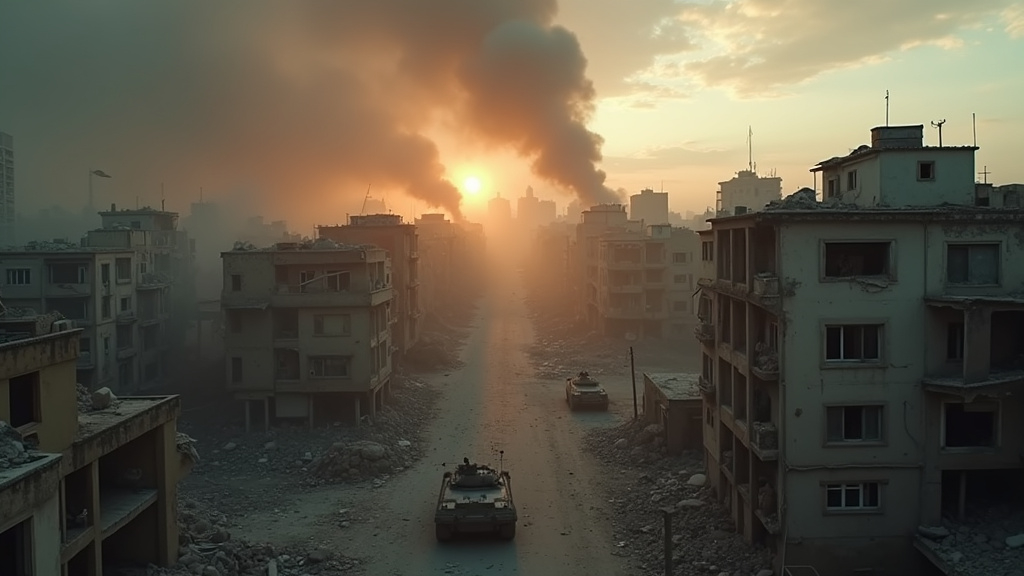


Analysts have noted a disturbing evolution in the way these drone barrages are coordinated. The Shahed-136 loitering munitions are inexpensive, loud, and often launched in significant numbers to overwhelm or exhaust the Ukrainian Air Defense (UAF) networks. By conducting these strikes at night, Russian commanders aim to capitalize on the psychological terror of the dark while complicating the visual tracking efforts of air defense crews. The recent strike on Kyiv demonstrated this tactic effectively; while many of the drones were intercepted, the debris from the downed munitions is often just as lethal as a direct impact, as evidenced by the high number of civilian casualties reported in apartment complexes and nearby infrastructure.
The Human Cost: Families Caught in the Crossfire
Behind the headline numbers of 2 and 23 lie the stories of families whose homes were shattered in the dead of night. Emergency services, including the State Emergency Service of Ukraine, worked through the darkness to pull residents from the wreckage of damaged buildings. For many, this is a recurring nightmare. The psychological toll of living in a city that is frequently targeted by long-range missiles and suicide drones is immense. It forces a lifestyle defined by the constant proximity of danger, where a single night’s sleep can be interrupted by the wail of air raid sirens and the subsequent thunder of impact.
Diplomatic Dissonance: The UN Address and the Victory Plan
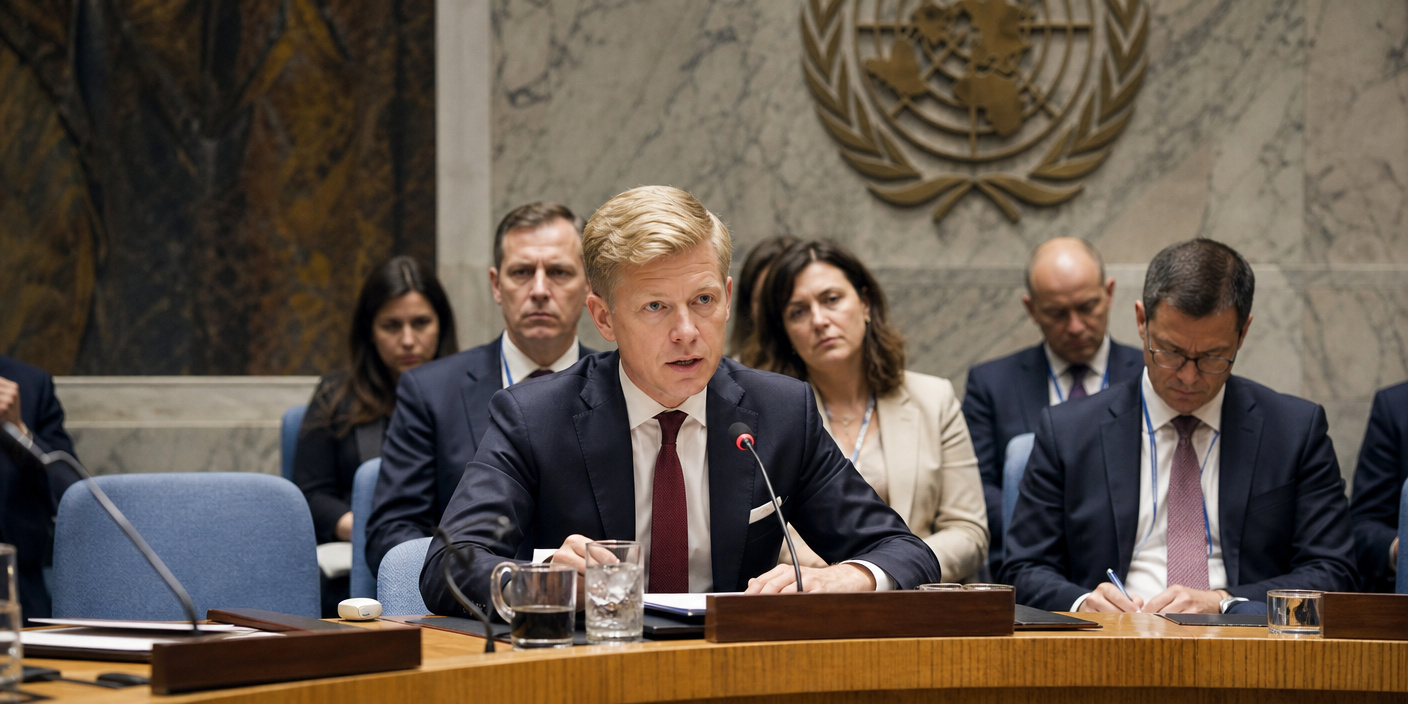
The timing of this attack is unlikely to be coincidental. By launching a significant drone barrage on the eve of President Zelenskyy’s address to the UN General Assembly, the Kremlin appears to be attempting a show of force, signaling to the international community that Russia retains the capability to disrupt and terrorize the Ukrainian heartland regardless of diplomatic efforts. Zelenskyy is traveling to New York with a specific agenda: the “Victory Plan.” This plan, which he has described as a blueprint to force Russia toward a just peace, requires the continued, if not increased, support of Western allies. The attack on Kyiv serves as the ultimate backdrop for his plea, illustrating the urgent necessity for more robust air defense systems and the relaxation of restrictions on the use of long-range Western weapons to strike targets deep inside Russia.
Regional Security: The Broader Implications for Europe
The drone war over Kyiv is also a proxy for the broader security anxieties facing Europe. The frequent use of Iranian-supplied weaponry in Ukraine highlights the interconnected nature of modern conflicts, where geopolitical alliances transcend borders. As European nations look to bolster their own air defenses in the wake of the war, the data gathered from the defense of Kyiv—how to track low-flying, slow-moving drones, how to distinguish between decoys and live munitions, and how to protect civilian assets—is becoming essential intelligence for NATO partners. If Russia’s goal is to demoralize Ukraine, it may be having the opposite effect on the international stage, where such attacks often solidify resolve among the Western coalition to maintain support for Kyiv’s defense.
FAQ: People Also Ask
Q: Why does Russia target civilian areas in Kyiv?
A: Russia’s drone strikes on Kyiv serve a dual purpose: to exhaust Ukraine’s limited air defense munitions and to apply psychological pressure on the civilian population, aiming to undermine public support for the war effort.
Q: What is Zelenskyy’s objective at the UN General Assembly?
A: President Zelenskyy is using his platform at the UN to present a ‘Victory Plan,’ which focuses on securing long-term security guarantees, additional military hardware, and increased diplomatic pressure on Russia to end the war.
Q: How effective are the current air defense systems in Kyiv?
A: Kyiv is protected by some of the most sophisticated air defense systems available, including Patriot and IRIS-T batteries. While they successfully intercept the vast majority of incoming drones, the sheer volume of attacks and the challenge of falling debris mean that civilian casualties still occur periodically.