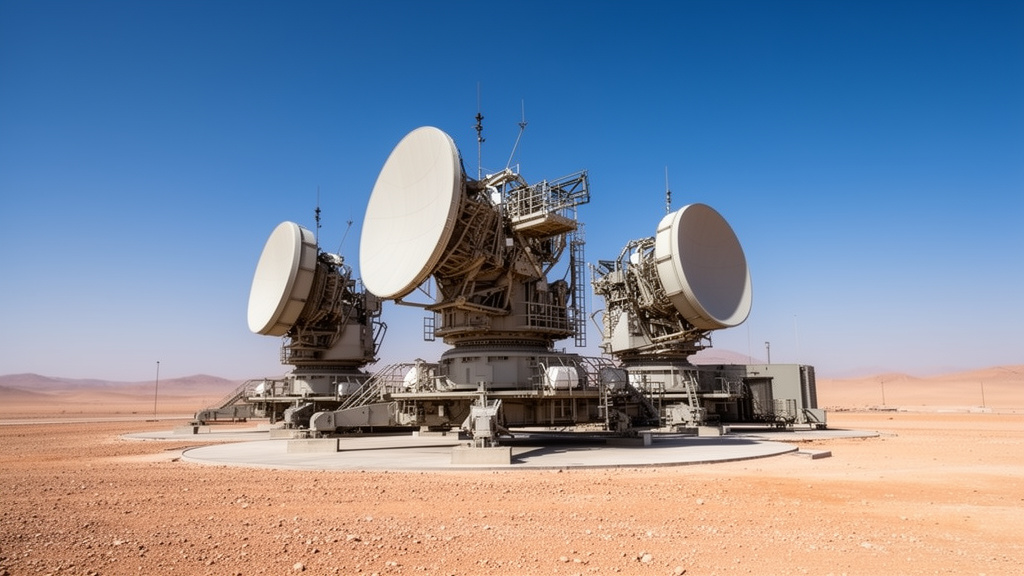
In a move that has sent ripples through the international security landscape, United States President Donald Trump announced on Thursday a directive for the Pentagon to resume nuclear weapons testing, a stance immediately condemned by Iran as “regressive” and “irresponsible.” This momentous Nuclear Testing Directive is a significant development, sparking widespread concern over a potential escalation in global nuclear tensions.
Trump’s Nuclear Testing Directive and the Geopolitical Context
President Trump stated that he had instructed the “Department of War” – a term he has favored over the traditional “Department of Defense” – to begin nuclear weapons testing “on an equal basis” with other nuclear powers, explicitly mentioning US Russia China nuclear capabilities. He asserted that the United States possesses more nuclear weapons than any other country, but claimed that China, currently a distant third, could match the US arsenal within five years. This Nuclear Testing Directive marks a significant departure from the decades-long US moratorium on nuclear testing, which has been in place since 1992, following President George H.W. Bush’s decision to halt atmospheric and underground detonations.
The announcement comes in the wake of recent displays of advanced weaponry by Russia, including tests of nuclear-capable, nuclear-powered cruise missiles and underwater drones. China has also been rapidly expanding its nuclear arsenal, with projections suggesting a substantial increase in its warheads by 2030. Experts suggest Trump’s decision may be a calculated response to these perceived advancements by US adversaries, aiming to signal parity or assert dominance in a shifting geopolitical environment, and reflects a broader shift in Trump nuclear policy.
Iran’s Scathing Condemnation of the Nuclear Testing Directive
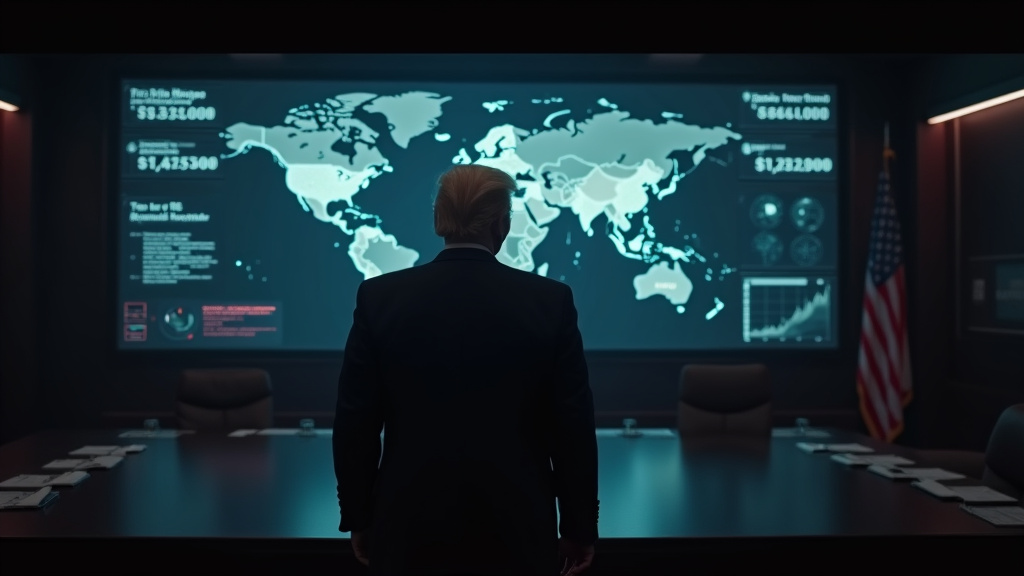
Iran’s Foreign Minister, Abbas Araghchi, was among the first high-ranking officials to issue a strong rebuke. In a pointed social media post on X (formerly Twitter), Araghchi characterized the US president’s call as the action of a “nuclear-armed bully”. He accused the US of hypocrisy, highlighting that while demonizing Iran’s “peaceful nuclear program” and threatening its facilities in violation of international law, Washington itself is resuming atomic weapons testing under the new Nuclear Testing Directive.
“The same bully has been demonizing Iran’s peaceful nuclear program and threatening further strikes on our safeguarded nuclear facilities, all in blatant violation of international law,” Araghchi stated, emphasizing that the US announcement is a “regressive and irresponsible move and a serious threat to international peace and security”. He further urged the global community to unite in holding the US accountable for normalizing the proliferation of “heinous weapons”.
Global Ramifications and Arms Control Concerns Regarding the Nuclear Testing Directive
The potential resumption of US nuclear testing has ignited fears of a new global arms race. The United States, Russia, and China are all signatories to the Comprehensive Nuclear-Test-Ban Treaty (CTBT), adopted in 1996, which prohibits all nuclear weapon test explosions. However, the treaty has not entered into force, as the US has not ratified it, and Russia rescinded its ratification in 2023. While the US has observed a moratorium since 1992, and Russia and China have not conducted explosive nuclear tests for decades, Trump’s Nuclear Testing Directive signals a potential erosion of this de facto international norm and contributes to heightened global nuclear tensions.
International bodies and arms control advocates have voiced alarm. UN Secretary-General António Guterres has repeatedly stressed that “nuclear testing can never be permitted under any circumstances” and urged countries to avoid actions that could lead to miscalculation or escalation. Experts warn that such a move could undermine decades of non-proliferation efforts and treaties, potentially emboldening other nations to resume their own testing programs. The US has maintained its nuclear arsenal’s reliability through a science-based stockpile stewardship program since 1992, with an investment exceeding $30 billion annually, leading many to question the technical necessity of renewed explosive testing, especially in light of the existing arms control treaty framework.
Ambiguity and International Response to the Nuclear Testing Directive
The precise nature of Trump’s Nuclear Testing Directive remains somewhat ambiguous. While the announcement points to “testing our Nuclear Weapons,” it is unclear whether this refers to actual nuclear explosive tests, which require extensive preparation and have not occurred since 1992, or the testing of nuclear-capable delivery systems, such as missiles, which the Pentagon nuclear weapons divisions conduct regularly. Some analysts suggest the order might be a reaction to Russia’s recent tests of advanced missile and drone technologies, contributing to the current global nuclear tensions.
Russia, through Kremlin spokesman Dmitry Peskov, questioned the information conveyed to President Trump regarding their recent drills, stating they “cannot in any way be interpreted as nuclear testing”. China’s foreign ministry urged the US to “earnestly abide” by global nuclear testing bans. The current situation underscores a volatile geopolitical climate where the lines between deterrence, posturing, and potential escalation are increasingly blurred, amplified by the Nuclear Testing Directive.
Conclusion
President Trump’s declaration to resume nuclear weapons testing, embodied in the Nuclear Testing Directive, has been met with significant international condemnation, particularly from Iran, which views the move as a dangerous act of “bullying” that threatens global peace and undermines established arms control frameworks. As the world watches for further details and potential actions, the directive casts a long shadow over efforts to maintain nuclear non-proliferation and stability, raising critical questions about the future of international security in an era of renewed great power competition between US Russia China nuclear states and beyond.