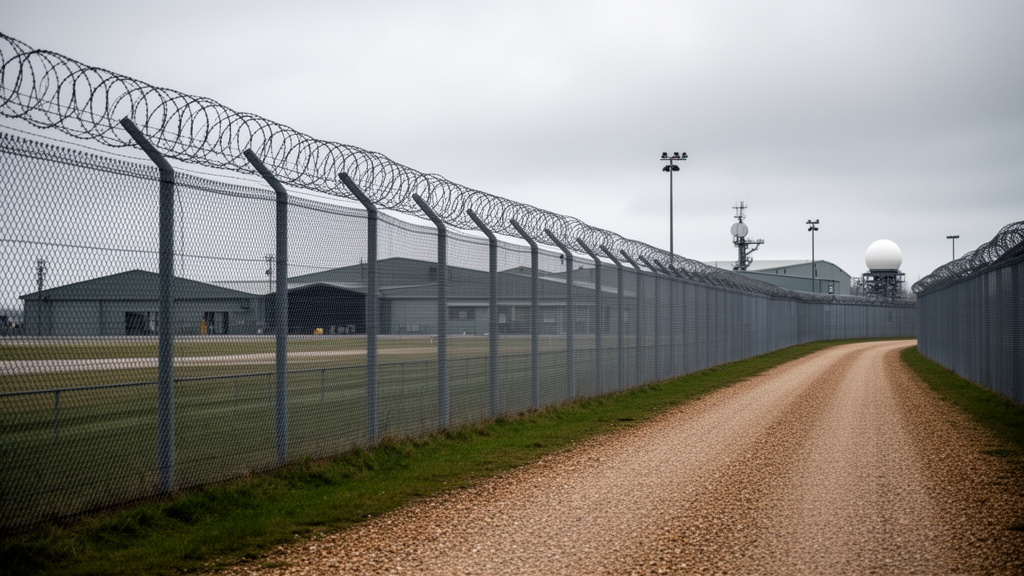
In a somber event that has shaken the aviation and engineering communities, a chartered Cessna 441 Conquest II aircraft, contracted by the U.S. Army Corps of Engineers (USACE), crashed while en route to a remote radar installation in western Alaska. The incident resulted in the tragic death of all eight individuals aboard. The flight, originating from Anchorage, was intended to reach the Cape Newenham Long Range Radar Site, a critical piece of infrastructure in the U.S. air defense network. The loss of life in this remote region highlights the inherent volatility of Arctic aviation and the complex logistics required to maintain essential security assets in one of the most unforgiving environments on the planet.
The Mission and the Flight Path
The aircraft, a twin-engine turboprop known for its utility in regional aviation, was performing a routine transport mission. For the US Army Corps of Engineers, maintaining the Cape Newenham facility—part of the North Warning System and older radar chains—is vital. These sites are situated in extremely rugged, isolated terrain, requiring specialized transport to reach. The flight path from Anchorage to Cape Newenham takes pilots over treacherous geography, including vast stretches of tundra, mountainous regions, and the unpredictable weather patterns characteristic of the Bering Sea coast. On the day of the incident, the mission aimed to ferry personnel for maintenance or operational support, a task typically characterized by high-stakes professionalism.
The Challenge of Remote Arctic Aviation
Operating aircraft in Alaska is fundamentally different from the lower 48 states. The Cape Newenham region, in particular, is subject to rapid weather shifts, known locally as “weather out” conditions, where visibility can drop to zero in minutes. The terrain is largely unpopulated, meaning that in the event of an emergency, recovery and rescue efforts face monumental hurdles. Pilots must contend with downdrafts, icing, and limited navigation infrastructure that pales in comparison to urban flight corridors. This crash underscores the risks that specialized contractors and government entities face daily while ensuring the operability of defense assets. The Cessna 441, while a capable airframe, remains subject to the physics of flying in a region where the margin for error is razor-thin.
The NTSB Investigation Process




The National Transportation Safety Board (NTSB) has launched a thorough investigation into the crash. Because the flight involved government-chartered personnel, the scrutiny is particularly intense. The investigation will examine several critical vectors: technical performance, pilot decision-making, and environmental conditions at the time of the impact. The NTSB typically focuses on a “man, machine, and environment” triad. First, they will analyze the maintenance logs of the Cessna 441 to ensure no mechanical deficiencies were overlooked. Second, they will look at the communication transcripts between the cockpit and air traffic control, or other regional assets, to understand if the pilot signaled any distress. Finally, they will reconstruct the meteorological data to determine if a sudden weather event contributed to the loss of control.
Strategic Importance of Radar Sites
The Cape Newenham Long Range Radar Site is more than just a remote outpost; it is a critical node in the nation’s surveillance infrastructure. These sites are essential for tracking air traffic in the North Pacific and along the Arctic Circle. The personnel involved in these missions—engineers, technicians, and pilots—are highly specialized. The death of eight individuals in this crash is not only a human tragedy but also a significant operational blow. Losing a team of this size in a single event disrupts the maintenance cycles of these remote sites, forcing the USACE to re-evaluate logistics and personnel safety protocols for future operations. The investigation will likely lead to a review of how these critical missions are carried out, potentially resulting in stricter flight requirements or different aircraft utilization policies for future Arctic transit.
A Community and Industry in Mourning
As the investigation continues, the focus remains on the families of those lost and the professional community that supports Arctic infrastructure. The loss of life in such a small, tightly-knit sector of aviation is felt profoundly. The USACE and the aviation operators involved have expressed their deepest condolences, emphasizing the dedication of those who lost their lives to their country and their mission. This incident serves as a stark reminder of the sacrifices made in the name of national security and critical infrastructure maintenance. As details from the NTSB’s final report emerge, the findings will be pivotal in shaping the future of safety standards for government charters operating in Alaska’s demanding frontier.
FAQ: People Also Ask
What was the specific model of the aircraft involved in the Alaska crash?
The aircraft was a Cessna 441 Conquest II, a pressurized, twin-engine turboprop aircraft favored for its speed and capacity to operate in various conditions, including regional charter flights.
Why was the U.S. Army Corps of Engineers flying to Cape Newenham?
Cape Newenham is home to a Long Range Radar Site that is part of a critical air defense network. USACE personnel regularly travel to these remote, rugged locations to perform essential maintenance, upgrades, and operational support for defense infrastructure.
Who is leading the investigation into the crash?
The National Transportation Safety Board (NTSB) is the federal agency responsible for investigating civil aviation accidents in the United States and is leading the inquiry into the cause of this crash.
What are the primary challenges of flying in western Alaska?
Western Alaska presents extreme aviation hazards, including rapidly changing, severe weather conditions, mountainous terrain with few emergency landing spots, and a lack of redundant ground-based navigation infrastructure, all of which complicate flight operations.