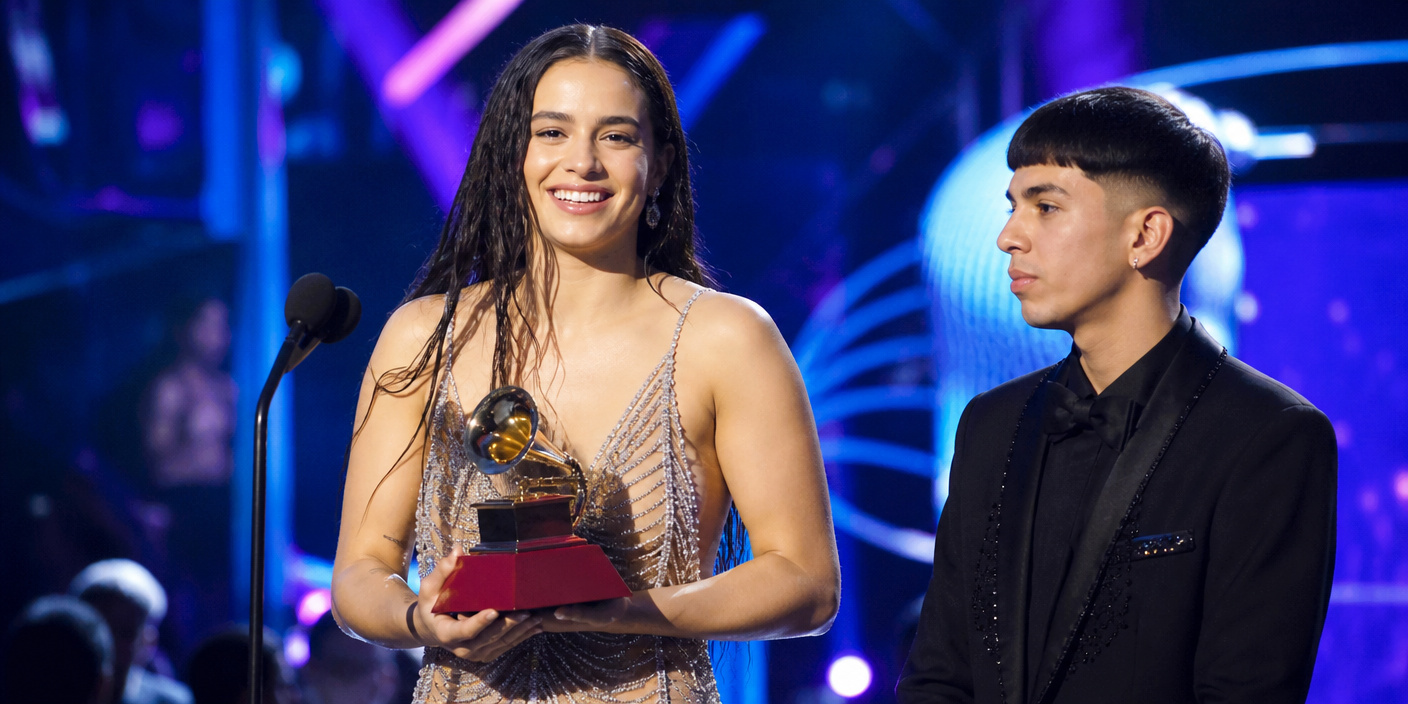
The 27th Latin Grammy Awards descended upon Las Vegas with an electric energy, cementing a new chapter in the global dominance of Spanish-language music. As the glitz of the Strip provided a fitting backdrop for the industry’s most prestigious night, the ceremony was defined by the juxtaposition of emerging talent and living legends. Rosalía solidified her position as an avant-garde musical powerhouse by securing the coveted Album of the Year, while the Latin Recording Academy paid a profound, career-spanning tribute to Daddy Yankee, honoring the reggaeton pioneer as the 2026 Person of the Year.
Key Highlights
- Top Honors: Rosalía claimed the night’s most prestigious prize, winning Album of the Year at the 27th Latin Grammy Awards in Las Vegas.
- Legendary Tribute: Daddy Yankee was officially celebrated as the 2026 Person of the Year, honoring his massive contribution to global reggaeton and Latin urban culture.
- New Generation: Milo J emerged as a breakout star of the evening, marking a significant shift toward the new vanguard of Latin music performers.
- Industry Milestone: The event underscored the continued economic and cultural surge of Latin music, which continues to outperform traditional market projections globally.
The New Era of Latin Sound: 2026 Latin Grammys Recap
The 27th iteration of the Latin Grammy Awards was not merely an awards show; it was a cultural barometer measuring the sheer scale of the Latin music industry. From the red carpet to the final curtain, the event served as a definitive statement that the soundscape of the modern era is, undeniably, Latin. The atmosphere inside the venue was thick with anticipation, particularly regarding the intersection of experimental art and commercial juggernauts.
Rosalía’s Definitive Mastery
Rosalía’s victory for Album of the Year was the narrative centerpiece of the evening. Critics and fans alike have noted the intricate production and conceptual depth of her latest work, which saw her blending traditional Flamenco roots with synthetic, modern textures. By securing this award, Rosalía has not only silenced those who questioned her artistic evolution but has also set a new standard for what a global Latin star can achieve in terms of critical acclaim. Her performance during the ceremony was minimalist, focusing on raw vocal ability and precise choreography, a stark contrast to the maximalist production values often seen in pop music, further elevating her status as an auteur.
Daddy Yankee: A Lifetime of Reggaeton Royalty



The presentation of the Person of the Year award to Daddy Yankee served as the emotional core of the night. As the man who effectively exported reggaeton from the streets of Puerto Rico to the global stage, his recognition was long overdue in the eyes of many industry veterans. The tribute featured a cavalcade of artists who have been influenced by his catalog, spanning nearly three decades of musical output. Daddy Yankee’s acceptance speech was a masterclass in humility and reflection, focusing on the responsibility of the current generation to keep the genre’s spirit alive while innovating for the future. It was a poignant reminder that while new stars rise, the architecture of the current scene rests on the foundation he laid.
The Rise of Milo J: A Generational Shift
While the veterans were celebrated, the night also belonged to the youth, specifically Milo J. The young artist’s performance and subsequent wins served as a passing of the torch—or perhaps a widening of the circle. Milo J’s success indicates a clear shift in consumer preference toward the raw, unfiltered lyrical storytelling that defines the newer generation of artists. His presence in the winner’s circle alongside global superstars highlights the Latin Recording Academy’s commitment to staying relevant to Gen Z listeners who are driving the current streaming numbers.
Economic and Industry Implications
The 2026 awards ceremony occurred against the backdrop of an industry experiencing double-digit percentage growth in streaming engagement across North America and Europe. Latin music is no longer a ‘niche’ category; it is a primary driver of the global music economy. The sponsors and commercial partners involved in this year’s broadcast reported record-breaking viewership metrics, suggesting that the ‘Latin Grammy’ brand is arguably the most valuable property in the entertainment sector today. This commercial success is fueling increased investment in regional talent, creating a self-sustaining cycle of growth that benefits both the artists and the labels.
Production Notes: Engineering the Spectacle
From a technical standpoint, the 27th Latin Grammy Awards utilized cutting-edge augmented reality (AR) and real-time data visualization to enhance the viewer experience. The staging in Las Vegas was designed to be immersive, with 360-degree camera arrays that allowed home viewers to experience the energy of the room. This focus on high-fidelity production is a direct response to the demands of modern audiences who expect a cinematic experience from live broadcasts. The collaboration between the production team and the artists resulted in what many are calling the most visually coherent and technologically advanced awards show in the history of the Latin Recording Academy.
FAQ: People Also Ask
Q: Who won the most significant award at the 2026 Latin Grammys?
A: Rosalía secured the most prestigious honor of the night, winning Album of the Year, cementing her status as a top-tier artist in the global music industry.
Q: Why was Daddy Yankee honored at this year’s event?
A: Daddy Yankee was awarded the Person of the Year title for his immense, long-standing contributions to the globalization of reggaeton and Latin urban music over his multi-decade career.
Q: Where were the 27th Latin Grammy Awards held?
A: The awards ceremony took place in Las Vegas, serving as the epicenter for the industry’s celebration of talent and achievement.
Q: Did new artists receive recognition during the ceremony?
A: Yes, the night featured significant wins for emerging talents like Milo J, signaling a shift in the industry toward the next generation of musical stars.