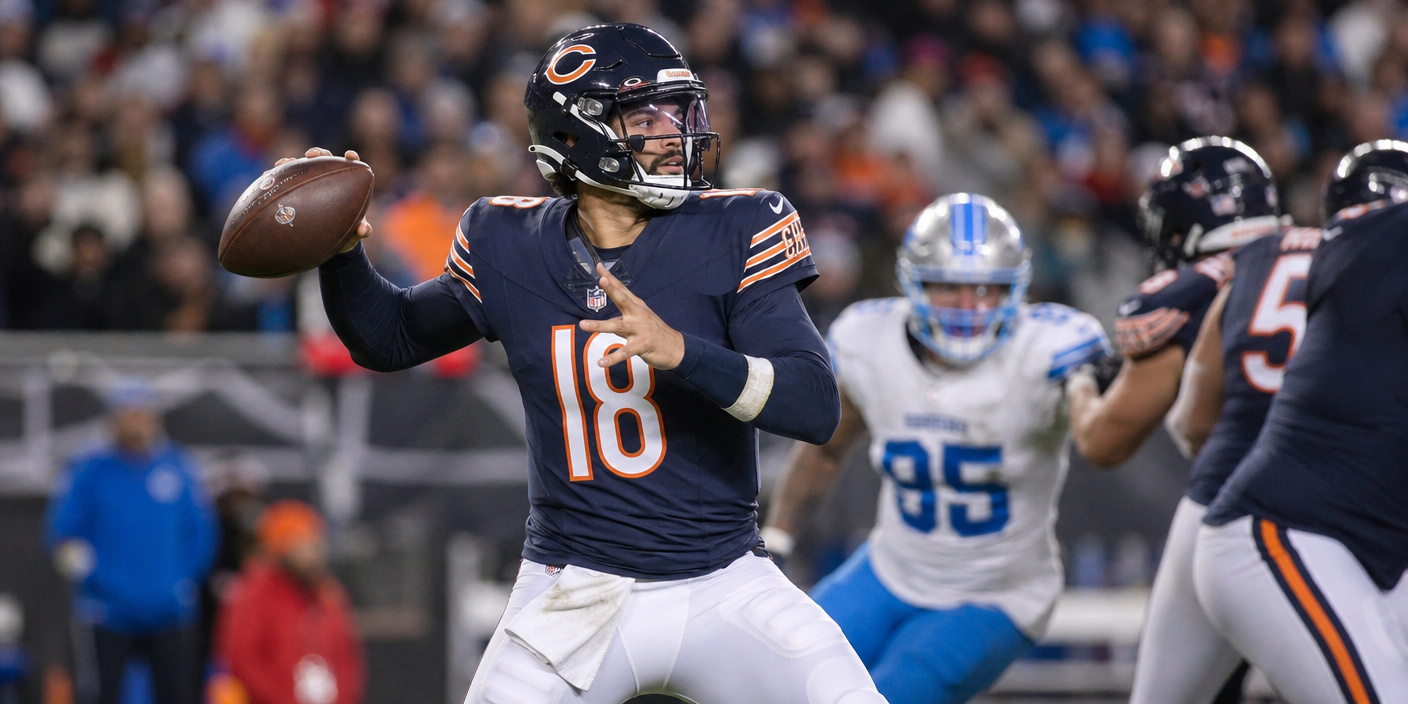
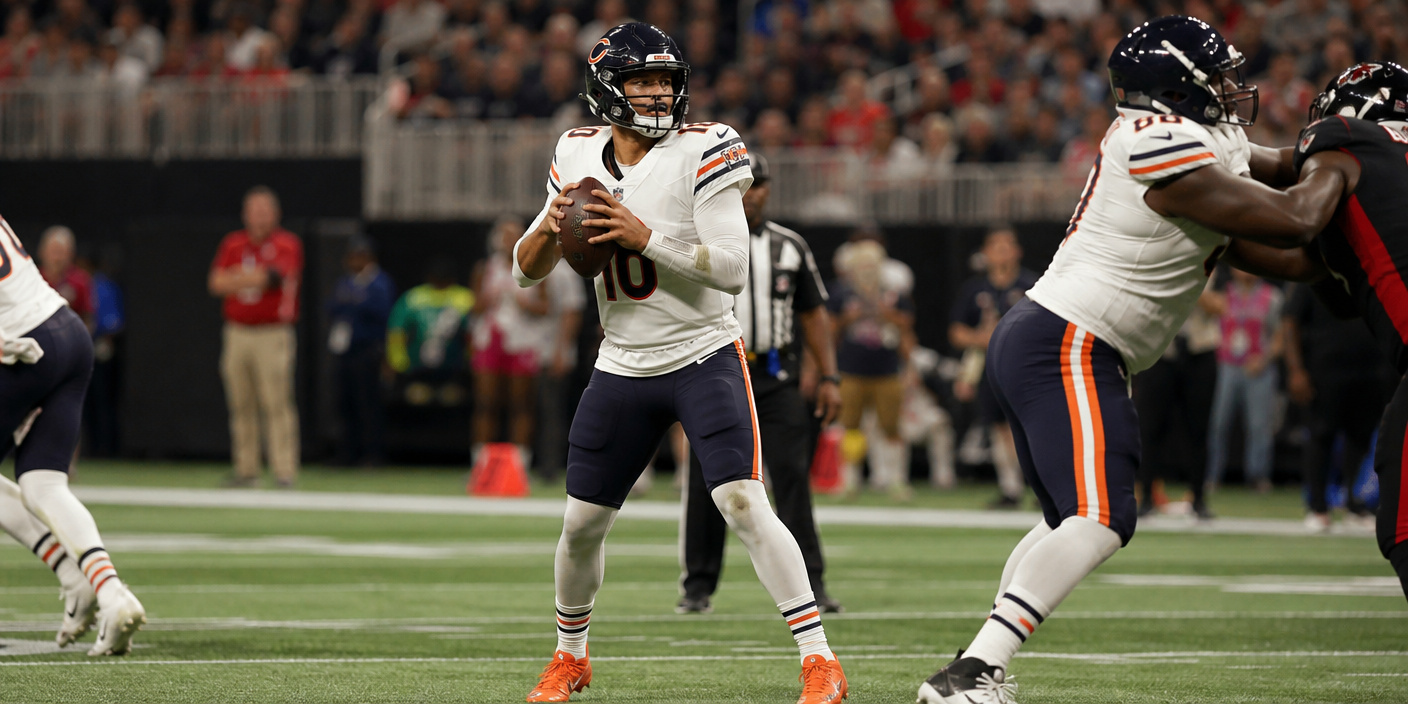
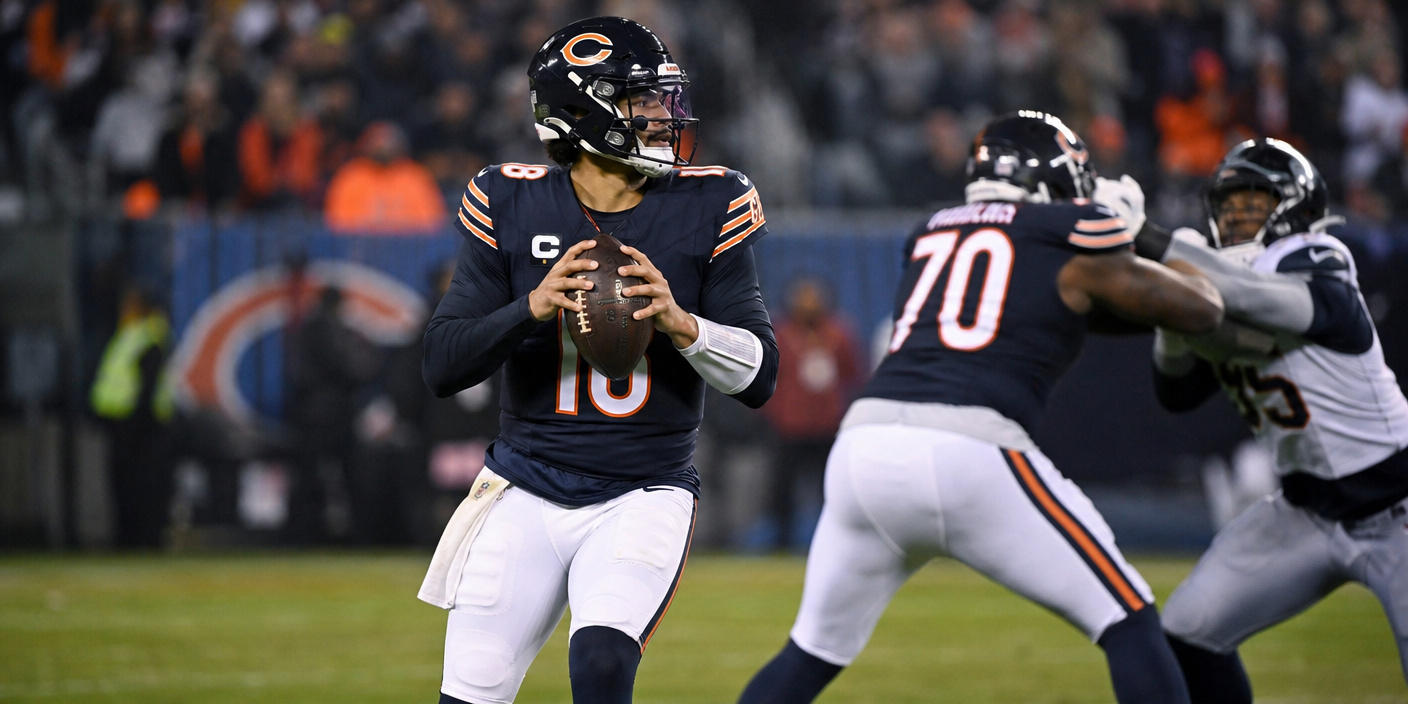
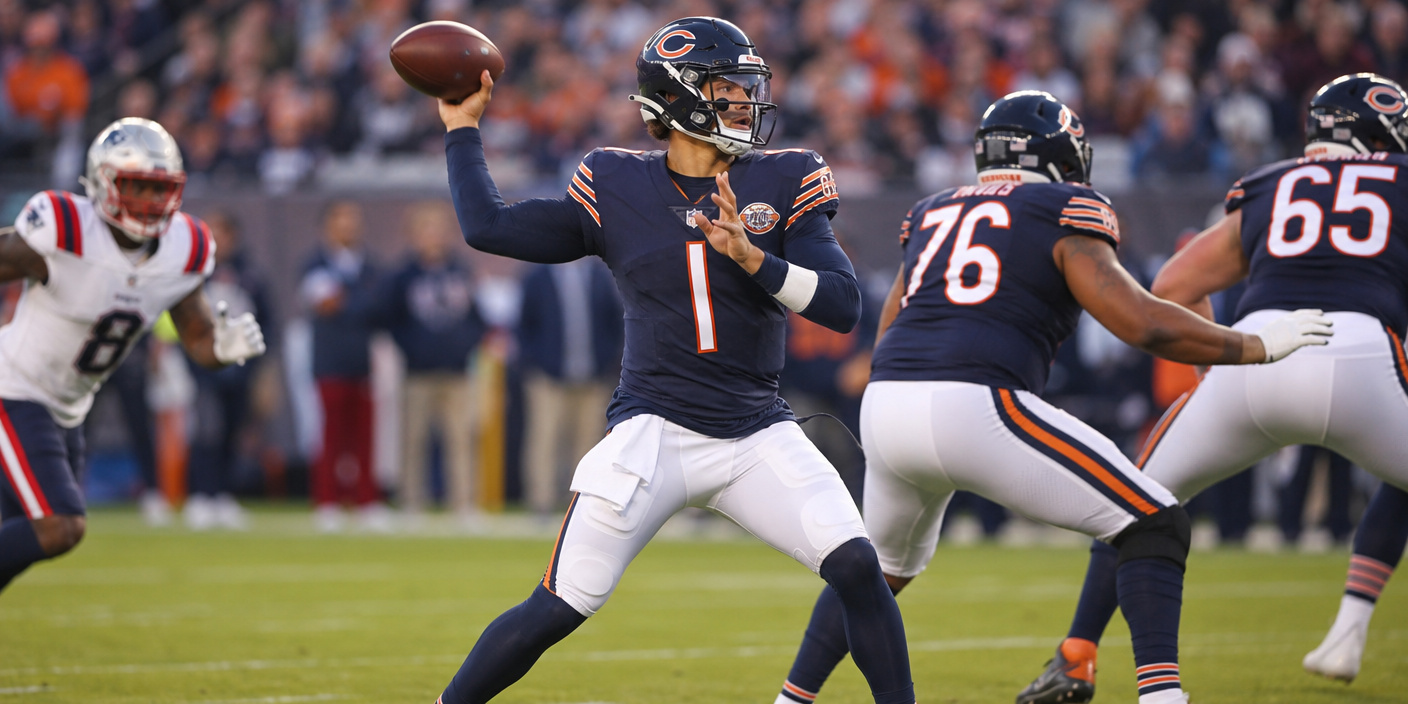
Chicago Bears tight end Cole Kmet is reportedly grappling with a severe knee injury that appears likely to end his season prematurely. The news follows a critical victory for the franchise, casting a significant shadow over the team’s offensive plans as they look toward the remainder of the schedule. This development marks a pivotal shift for the Bears’ roster, as the tight end has served as a cornerstone of the passing attack and a vital security blanket for the quarterback. The severity of the injury suggests a challenging recovery path that will necessitate immediate adjustments to the team’s offensive strategy.
Key Highlights:
- Cole Kmet has reportedly suffered a serious knee injury, with initial internal reports pointing toward a season-ending prognosis.
- The injury occurred shortly after the team’s latest victory, creating an abrupt disruption to the Bears’ momentum.
- Coaching staff and front office personnel are currently evaluating depth chart contingency plans to fill the substantial void left by their primary tight end.
- Medical staff are continuing to run diagnostic tests to determine if any surgical intervention is required to address the structural damage to the knee.
The Impact of Kmet’s Absence on the Chicago Bears Offense
The potential loss of Cole Kmet represents far more than just a personnel change; it fundamentally alters the geometry of the Chicago Bears’ offensive scheme. Kmet has established himself as one of the most reliable targets in the middle of the field, consistently providing a necessary outlet for the quarterback during critical downs. His ability to block at the point of attack while simultaneously functioning as a primary receiver has been a luxury the coaching staff has relied upon heavily throughout the season.
Tactical Disruptions and Personnel Groupings


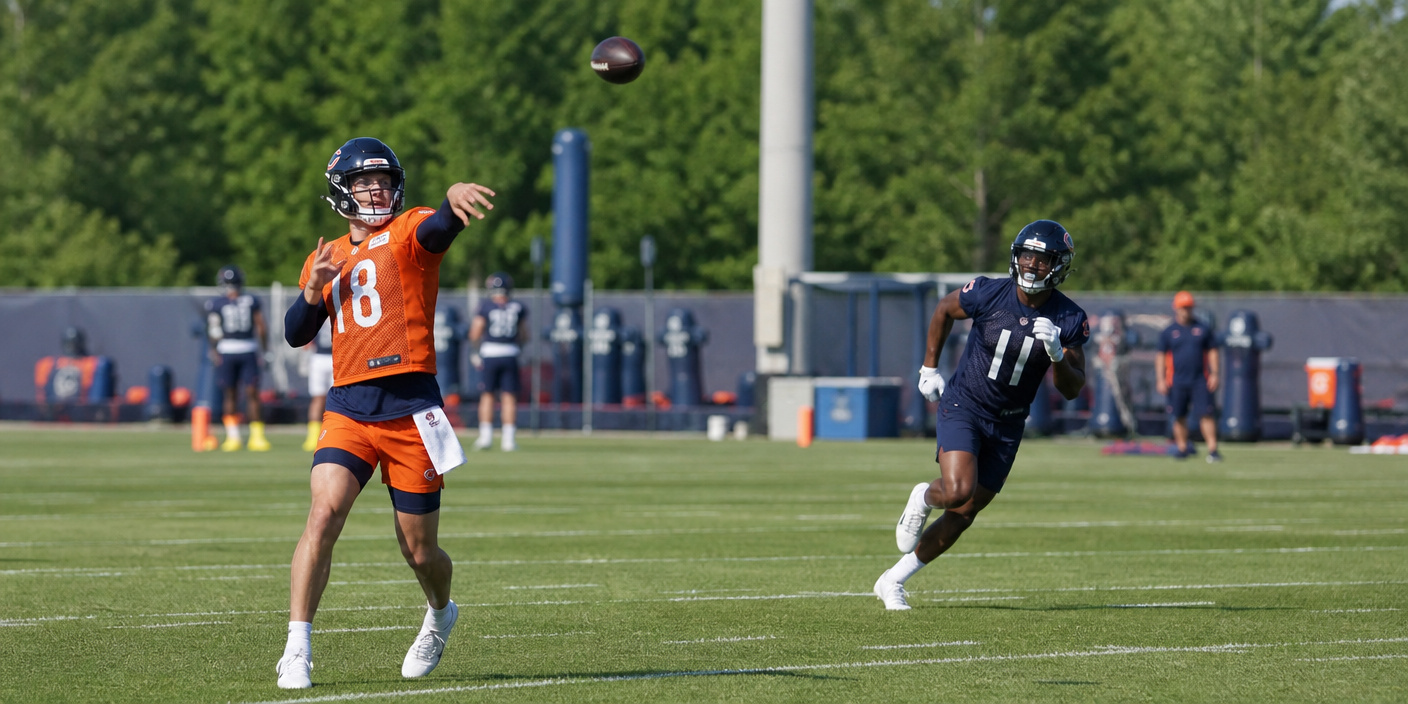
The Bears have frequently utilized ’12’ personnel packages—employing two tight ends—to dictate the pace of the game and create mismatches against opposing linebackers. With Kmet sidelined, the offensive coordinator must now pivot. This move forces the team to rely on depth players who, while capable, lack the established synergy and chemistry that Kmet had cultivated with the starting quarterback over the previous several months. Opposing defensive coordinators will likely adjust their coverage schemes immediately, pressing outside receivers more aggressively knowing that the ‘safety valve’ in the middle of the field is currently unavailable.
Managing the Recovery Timeline
From a medical perspective, knee injuries of this magnitude—often involving ligamentous damage—require a calculated and slow rehabilitation process. Even if the injury does not require immediate surgical reconstruction, the timeline for return is rarely brief. The organization must now decide whether to place the tight end on Injured Reserve (IR), a move that would clear a roster spot for a replacement but would necessitate a minimum absence of four games, effectively signaling that the team is preparing for a reality where Kmet does not return for the remainder of the current campaign.
The ‘Security Blanket’ Vacuum
One of the most under-discussed aspects of this injury is the psychological impact on the quarterback. Younger quarterbacks in particular thrive on the predictability of a veteran tight end. Kmet’s route running and spatial awareness in zone coverage allowed him to find soft spots where others struggled. Without that constant, the quarterback may hold the ball longer, increasing the risk of sacks or forced throws. The Bears’ offensive line, which has already faced scrutiny this season, will now need to provide even cleaner pockets as the team transitions to a more receiver-focused aerial attack.
Long-Term Roster Strategy and Future Outlook
The front office is undoubtedly already running scenarios for the immediate future. Whether the team chooses to sign a veteran free agent or elevate a practice squad talent, the immediate goal is to maintain offensive continuity. However, this injury also forces the coaching staff to look ahead. Developing the backup tight ends into reliable targets is now a priority for the final stretch of the season. It is a trial by fire that will determine which players deserve a roster spot in the upcoming season. While the immediate focus remains on surviving the remainder of the schedule, the long-term health and development of the tight end position remain central to the team’s overarching reconstruction goals.
FAQ: People Also Ask
What is the projected recovery timeline for Cole Kmet’s knee injury?
While official reports are pending final medical confirmation, a season-ending injury designation implies a recovery timeline that extends well beyond the current regular season schedule. Full medical clearance for professional-level play typically requires months of intensive physical therapy and strength conditioning.
Who will replace Cole Kmet in the Bears’ starting lineup?
The Chicago Bears coaching staff is expected to rotate their remaining depth chart, potentially relying on a combination of existing tight ends and wide receivers to absorb the target share previously directed toward Kmet. Look for an increased usage of ’11’ personnel groupings to mitigate the loss of blocking and receiving efficiency.
How does this injury affect the Bears’ chances in the coming games?
The loss of a key playmaker like Kmet is significant. The team will need to adapt their offensive identity quickly. The impact will be most felt on third-down conversions and red-zone efficiency, where Kmet’s height and catch radius were essential assets for the offense.