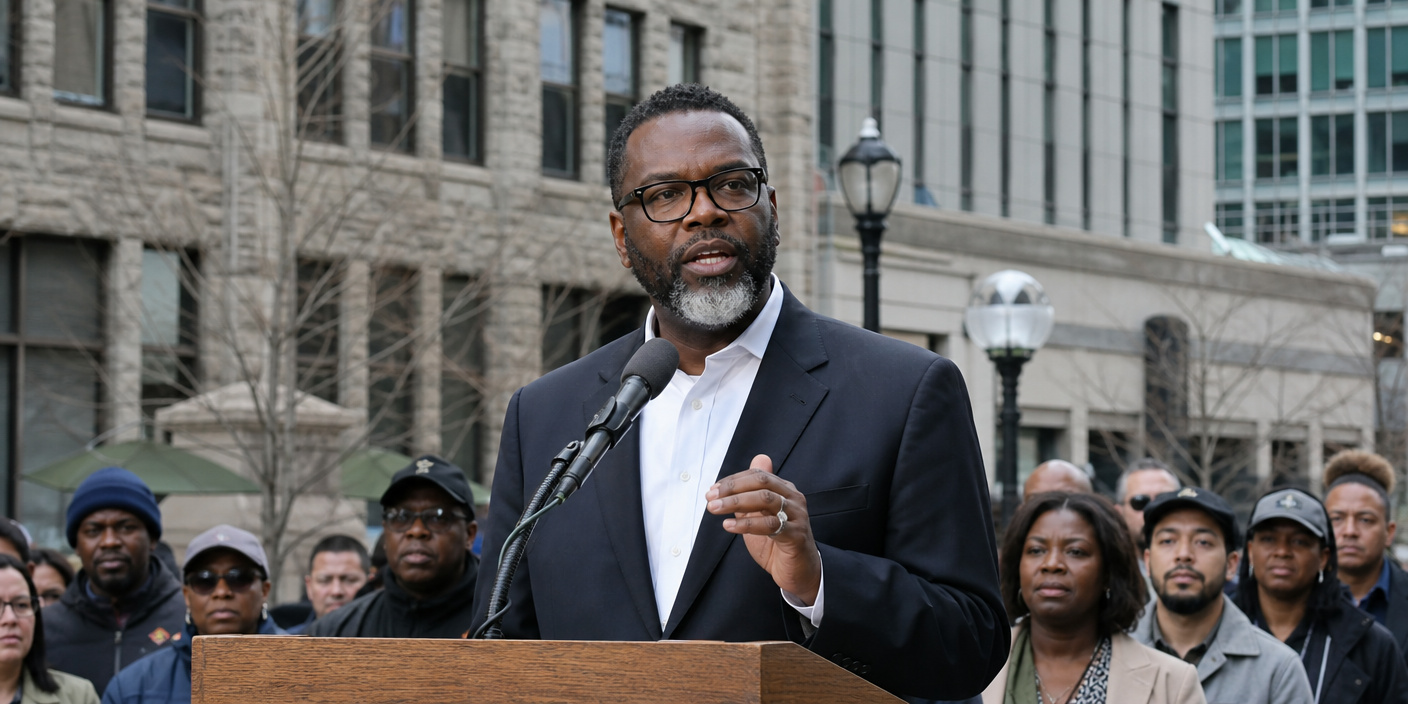
The Chicago Police Board convened its monthly public meeting on September 17, 2026, at the Chicago Public Safety Headquarters, located at 3510 S. Michigan Avenue. This session served as a pivotal moment for civilian oversight in the city, with a packed agenda focusing on high-stakes disciplinary cases involving Chicago Police Department (CPD) officers and a rigorous review of current departmental operational policies.
Key Highlights
- Disciplinary Oversight: The Board conducted closed-session deliberations on multiple pending disciplinary cases, evaluating recommendations for suspension and termination.
- Policy Review: A focal point of the public session was the ongoing discussion regarding departmental transparency protocols and the integration of new accountability standards.
- Community Engagement: The meeting allowed for public comment, providing a platform for citizens to address Board members regarding the current state of police-community relations.
- Reporting: Departmental representatives presented the latest internal reports, outlining updates to training curriculum and incident response metrics.
The Mechanics of Civilian Oversight in Chicago
The Chicago Police Board plays a fundamental role in the administration of justice within the city’s law enforcement apparatus. Operating as an independent civilian body, the Board is tasked with the significant responsibility of deciding disciplinary cases when the Police Superintendent recommends a suspension of more than 10 days or termination of a CPD member’s employment. The meeting held on September 17, 2026, was not merely a procedural formality but a critical intersection of law, policy, and public accountability.
During the session, the Board members—appointed by the Mayor with the advice and consent of the City Council—reviewed evidentiary records presented by the Civilian Office of Police Accountability (COPA) and the CPD’s Bureau of Internal Affairs. The nature of these deliberations requires a delicate balance of due process for the officers involved and the imperative for community trust. By the time cases reach the Board, they have undergone exhaustive investigations; the Board’s role is to act as the final administrative arbiter before potential judicial review.
Evolving Standards of Accountability
In the context of 2026, the administrative landscape of Chicago policing has continued to evolve. A secondary angle of analysis centers on the increasing complexity of these disciplinary reviews. In recent years, the Board has shifted toward a more data-driven approach, incorporating body-worn camera footage, digital metadata, and geolocated timestamps more aggressively into their review processes. This shift represents a broader trend in municipal governance: the digitization of evidence. The September 17 meeting highlighted how technical literacy has become a prerequisite for board members, who must parse through digital logs as frequently as written testimonies.




Furthermore, the Board’s interaction with the Chicago Public Safety Headquarters as a venue underscores the administrative consolidation of safety services. Centralizing these meetings within the headquarters brings the civilian oversight body into the physical heart of the police department’s operations, signaling a commitment to transparency by maintaining physical proximity to the department leadership, even while remaining independently governed.
The Intersection of Policy and Performance
Beyond disciplinary actions, the Board is responsible for approving policy changes that govern police conduct. During the September 17 session, significant attention was given to the alignment of CPD policy with evolving consent decree requirements. The Board reviewed reports detailing compliance metrics, specifically examining how force mitigation training is being translated into field performance.
This aspect of the Board’s duty represents a proactive stance rather than a reactive one. While disciplinary hearings look backward at specific incidents, the policy review component looks forward, attempting to shape the future behavior of the force. Analysts observing the 2026 landscape have noted that the Board is increasingly under pressure to demonstrate that these policy adjustments yield tangible decreases in community-identified issues, such as disproportionate use of force or administrative delays in case closures. The discussion on September 17 reflected this pressure, with members questioning the efficacy of current training modules in urban settings.
Economic and Social Implications
The economic impact of police oversight cannot be overstated. Each disciplinary case carries potential financial consequences for the city, ranging from back-pay settlements to legal defense costs. The Board’s ability to conduct efficient and fair hearings acts as a critical financial control mechanism. Moreover, the public perception of these meetings functions as a barometer for civic stability. When the Board is seen as an effective, impartial entity, it can mitigate the social unrest that often follows high-profile policing controversies.
Looking toward the future, predictions suggest the Board will face increasing volumes of cases as the threshold for civilian-reported complaints continues to lower, encouraging greater public participation. The September 17 meeting set a tone for the remainder of the quarter, emphasizing a rigorous, transparent approach to the administrative burden of oversight. By maintaining public access to these proceedings—both in person at the headquarters and via digital streams—the Board is attempting to bridge the gap between institutional power and public scrutiny.
FAQ: People Also Ask
Q: How are members of the Chicago Police Board selected?
A: Members are appointed by the Mayor of Chicago and must be confirmed by the City Council. They are tasked with serving as an independent, civilian board to ensure oversight of the Chicago Police Department.
Q: Can the public attend the Chicago Police Board meetings?
A: Yes, the monthly meetings are public. Members of the public are encouraged to attend in person at the Chicago Public Safety Headquarters or participate via designated digital channels, often including the opportunity to provide public comment during specified periods.
Q: What is the relationship between the Chicago Police Board and COPA?
A: COPA (the Civilian Office of Police Accountability) is the investigative body that handles complaints against police officers. Once COPA completes an investigation and makes recommendations, the Chicago Police Board acts as the deciding body for significant disciplinary matters, such as terminations or suspensions exceeding 10 days.
Q: Does the Board decide on criminal charges for officers?
A: No. The Chicago Police Board handles administrative and departmental discipline. Criminal charges are pursued through the Office of the Cook County State’s Attorney and the court system.