This weekend, Chicago transforms into the epicenter of American event culture as a rare, high-stakes collision of professional sports, major music festivals, and community celebrations descends upon the city. The Office of Emergency Management and Communications (OEMC) has officially issued widespread traffic and safety advisories, cautioning commuters and residents that the infrastructure of the city will be tested by the overlapping attendance of the Bears home opener, Riot Fest, the Magnificent Mile Art Festival, the Old Town Oktoberfest, and the Englewood Jazz Fest. For Chicago, this convergence represents more than just a calendar quirk; it is a logistical challenge that demands strategic navigation.
Key Highlights
- City-Wide Traffic Alerts: The OEMC has advised that heavy congestion is expected across major corridors, particularly near Soldier Field, Douglass Park, and Michigan Avenue.
- Multi-Modal Transit Necessity: Due to limited parking and extensive street closures, public transit via the CTA and Metra is the strongly recommended mode of travel.
- Event Saturation: Five major, high-attendance events are occurring simultaneously, creating unique security and logistical demands on city resources.
- Public Safety Mandates: Increased police presence and temporary parking restrictions will be in effect city-wide to manage crowd flow and ensure neighborhood safety.
The Logistical Perfect Storm: Navigating a Packed City
The convergence of events this weekend creates a unique dynamic for the City of Chicago. It is rarely the case that an NFL home opener aligns with some of the city’s most footprint-heavy cultural festivals. The Chicago Bears’ return to Soldier Field is a perennial traffic generator, but when compounded by the massive crowds at Douglass Park for Riot Fest—a multi-day event known for heavy foot traffic and neighborhood impact—the municipal strain becomes palpable.
Soldier Field and the Infrastructure of Sport
As the Bears open their home season, the Museum Campus will effectively close to all but permit-holding traffic hours before kickoff. The sheer volume of fans descending on the lakefront adds significant pressure to the Metra Electric Line and the CTA’s 146 Inner Drive Express bus. For logistics experts, the primary concern is not just the stadium capacity but the ‘ingress/egress’ window. Because the Magnificent Mile Art Festival is simultaneously occupying large swaths of North Michigan Avenue, the typical auxiliary relief routes are likely to be clogged, forcing traffic into residential gridlock. The city’s recommendation is clear: avoid driving into the loop or near the lakefront unless absolutely necessary.
Cultural Festivals and Neighborhood Impact
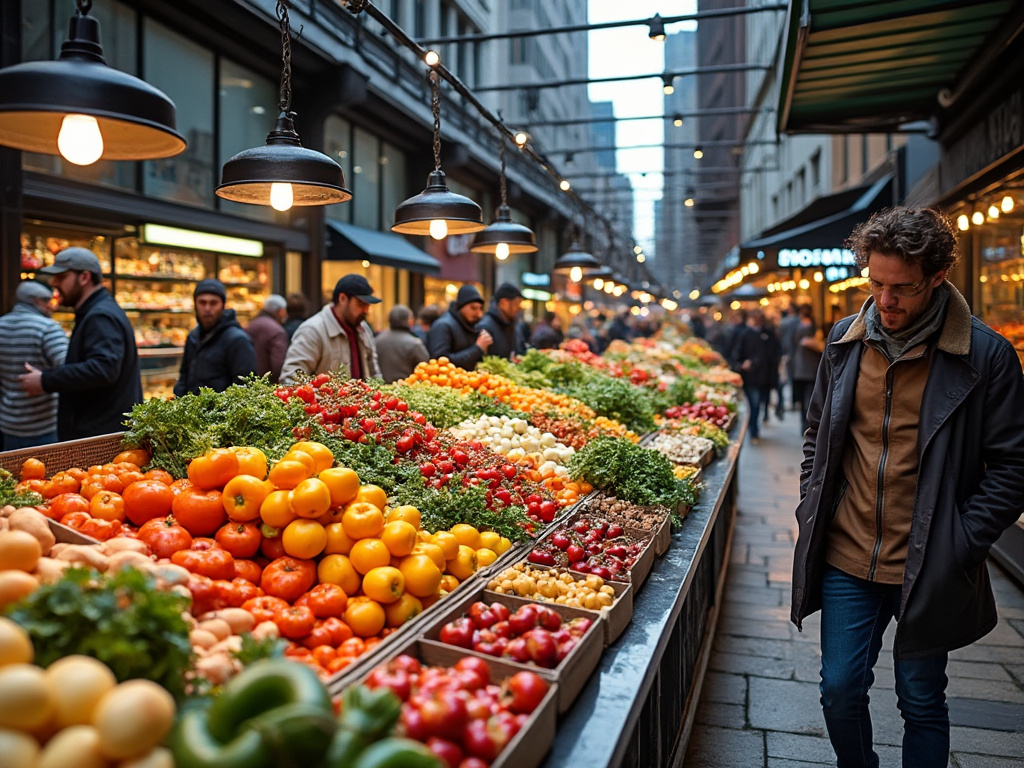


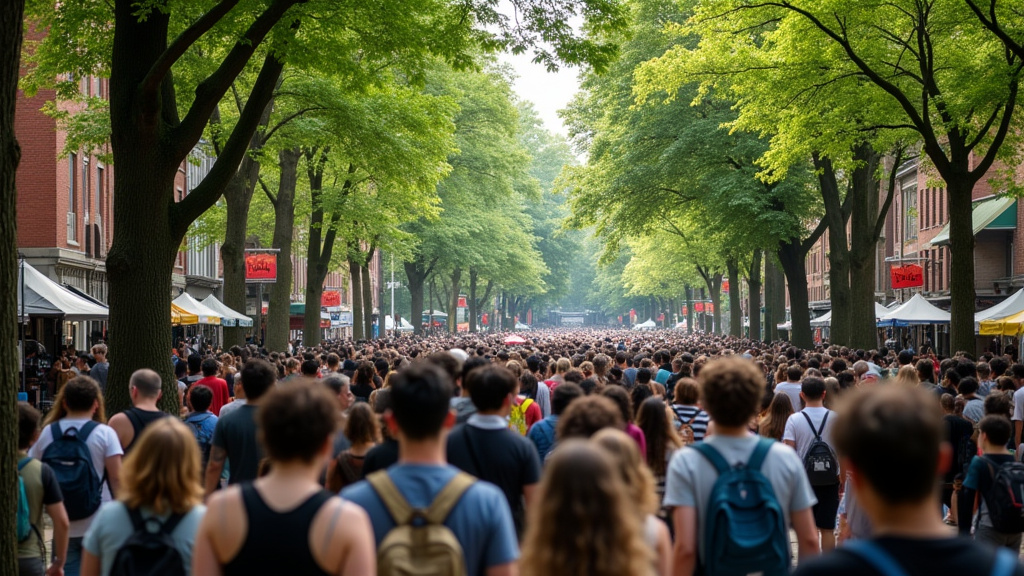
Riot Fest at Douglass Park represents a massive draw in terms of both attendees and, consequently, security demand. The festival, which historically draws large crowds from across the Midwest, requires a high level of municipal cooperation regarding crowd control and noise management. Simultaneously, the Old Town Oktoberfest brings a localized, high-density crowd to the historic Wells Street corridor. These events, while economically beneficial, require a delicate balance of public safety and residential access. The Englewood Jazz Festival adds a vital cultural dimension to the weekend, but it also necessitates coordinated efforts to ensure that traffic management in the South Side does not cannibalize the resources required elsewhere in the city.
The OEMC’s Role in Urban Management
The OEMC serves as the central nervous system for this weekend’s activity. By tracking real-time data on traffic flow and crowd density, the agency is coordinating with the Chicago Police Department (CPD) to implement rolling street closures. Residents should anticipate that “No Parking” zones will be strictly enforced; vehicles parked in unauthorized areas near event sites are subject to immediate towing. This is not merely a bureaucratic inconvenience but a safety imperative to ensure emergency vehicle access in dense traffic.
Economic and Cultural Implications: A Secondary Analysis
Beyond the traffic data, this weekend highlights the robust economic engine of Chicago’s “shoulder season.” Major events generate hundreds of millions in local spending, from hospitality and dining to retail and transportation services. However, this raises a secondary angle: the “saturation point” for city services. Can the city sustain this level of simultaneous programming without a decline in service quality for residents? As Chicago continues to compete for global tourism dollars, the ability to manage these “super-weekends” without incident becomes a core metric of urban competence. We are observing a shift where festivals are no longer just entertainment; they are essential pillars of the urban economy, demanding infrastructure investment that rivals industrial or commercial sectors.
Future Predictions: The Rise of the ‘Event Ecosystem’
Looking ahead, it is likely that Chicago will continue to see these multi-event clusters as organizations seek to maximize late-summer and early-autumn weather. This suggests that the city may need to move toward a more integrated, “smart city” approach to event management, utilizing predictive AI traffic modeling to divert commuters before congestion peaks. The weekend serves as a test case for how well the city can manage simultaneous high-density events in a post-pandemic landscape where large-scale public gatherings have seen a resurgence in popularity.
FAQ: People Also Ask
1. What is the best way to travel during this weekend’s events?
Public transit is the only reliable way to navigate. Both the CTA trains and Metra commuter lines are the primary alternatives to driving. Ride-share apps are likely to have significant surge pricing and extended wait times due to traffic gridlock.
2. How are street closures managed during these events?
The OEMC coordinates closures in real-time. Residents should monitor the official OEMC Twitter/X account or sign up for NotifyChicago alerts for the most granular, block-by-block updates on closures near Riot Fest and the Magnificent Mile.
3. Are there specific parking restrictions I should be aware of?
Yes. Expect “No Parking” signage to be placed extensively around Douglass Park, the Near South Side near Soldier Field, and the Old Town district. Enforcement will be aggressive to maintain emergency lanes.
4. How does the Bears’ game affect local transit timing?
The Bears’ home opener causes significant delays on the Metra Electric District Line and the CTA Red Line (specifically the Roosevelt and Cermak-Chinatown stops). Plan for at least 45 minutes of extra travel time if you are heading toward or through the Loop.