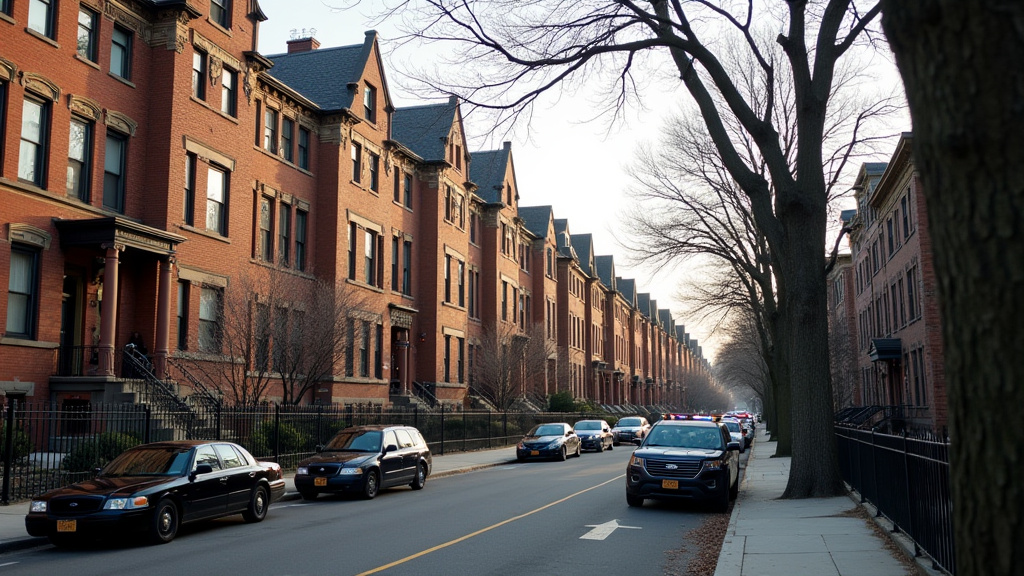
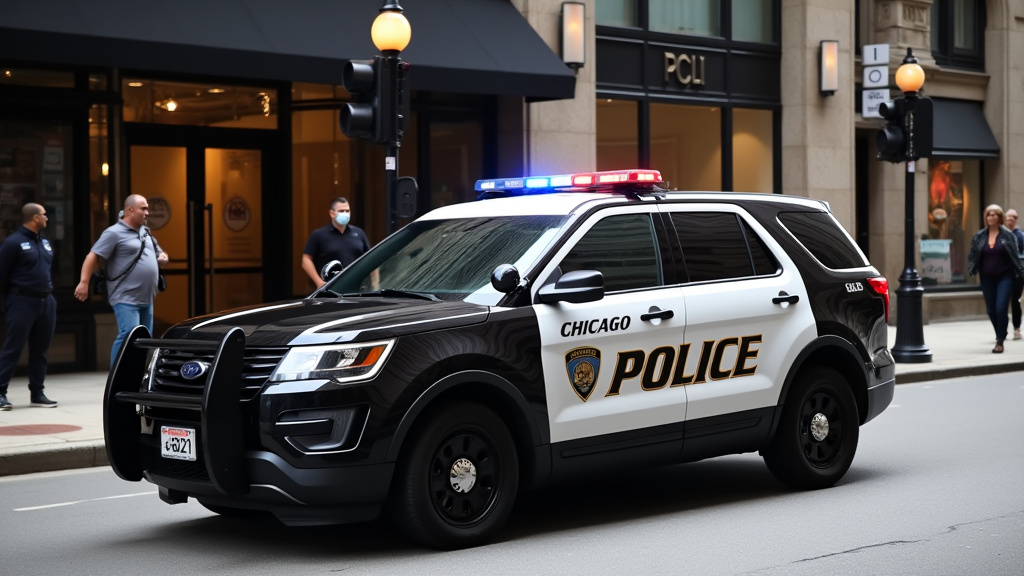
At the bustling intersection of N Ogden Ave and N Milwaukee Ave in Chicago’s River East, law enforcement activity drew the attention of local observers and residents this week. Agents identified as members of U.S. Immigration and Customs Enforcement (ICE) were documented conducting a targeted vehicle stop. The operation involved two primary vehicles—a black Chevy Tahoe and a black Nissan Pathfinder—parked at the scene, marking a notable deployment of federal resources within this specific urban corridor.
Key Highlights
- Location Specifics: The incident occurred at the intersection of N Ogden Avenue and N Milwaukee Avenue, a high-visibility transit point in the River East neighborhood.
- Vehicles Identified: Federal agents were observed operating two vehicles: a black Chevy Tahoe and a black Nissan Pathfinder.
- Jurisdictional Clarity: While the operation involved federal agents, it raises ongoing questions regarding coordination between federal authorities and the Chicago Police Department (CPD) in a designated “Welcoming City.”
- Community Impact: The sight of federal law enforcement vehicles in this residential and commercial district underscores the continued, active presence of Department of Homeland Security (DHS) components within municipal boundaries.
Analysis of Federal Enforcement Dynamics
The presence of ICE agents in the River East neighborhood serves as a reminder of the complex layers of law enforcement that overlap within the city of Chicago. Unlike standard traffic stops performed by local municipal police, operations conducted by federal agencies such as ICE are often driven by administrative warrants or ongoing investigations managed by the Department of Homeland Security.
The Logistics of Federal Surveillance
The vehicles observed—specifically the black Chevy Tahoe and the black Nissan Pathfinder—are consistent with the low-profile, unmarked fleet often utilized by federal agencies to maintain anonymity while conducting surveillance or apprehension operations in dense urban environments. The use of an SUV platform, particularly the Tahoe, allows for the transport of equipment and, if necessary, the secure transport of individuals in custody. This deployment pattern at the intersection of Ogden and Milwaukee, which serves as a major artery for commuters and public transit, suggests a deliberate choice of location, likely chosen to intercept a vehicle during a predictable traffic pattern.
Interaction with Local Policy
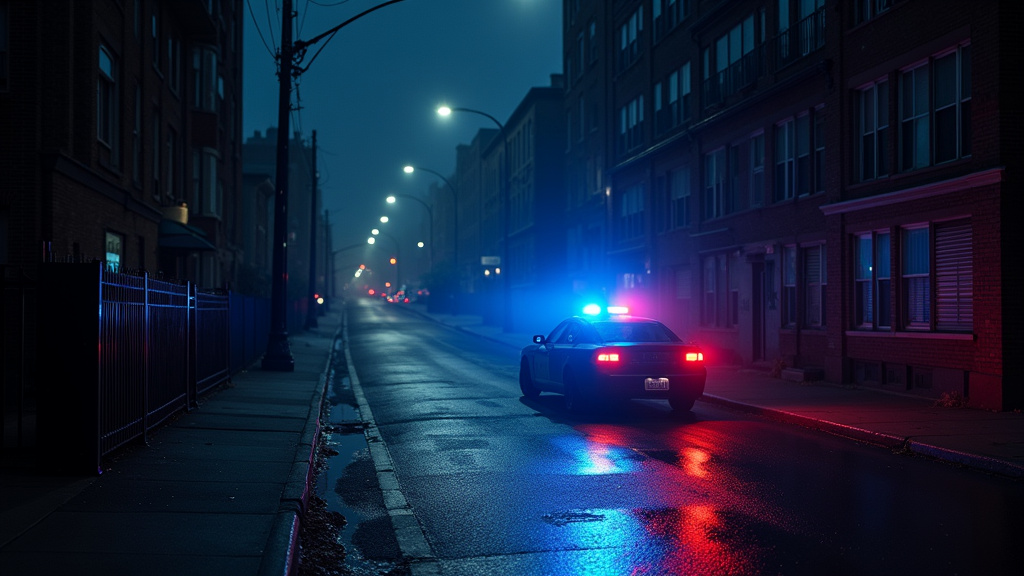

Chicago maintains strict protocols regarding the interaction between local law enforcement and federal immigration agencies. The city’s status as a “Welcoming City” prohibits the Chicago Police Department from participating in federal immigration enforcement activities. However, this policy does not strip ICE agents of their federal authority. ICE retains the jurisdiction to conduct independent operations, including stops and apprehensions, within the city limits. This distinction is vital for understanding why federal agents can operate in the neighborhood without necessarily coordinating with the local precinct.
Community Concerns and Civil Liberties
The visibility of such an operation inevitably creates questions regarding civil rights and public safety within the neighborhood. For residents and local business owners, the sight of federal agents can induce uncertainty regarding the nature of the stop. It is crucial to distinguish between a traffic stop conducted for a violation of the Illinois Vehicle Code (typically handled by CPD) and a federal encounter. Residents often ask what their rights are during such interactions. Legal experts generally emphasize that individuals always have the right to remain silent and, unless an agent presents a valid judicial warrant, the right to refuse a search of their person or vehicle. These rights are not forfeited simply because the agent is a federal officer rather than a city policeman.
Strategic Placement in River East
The selection of the River East area for this operation is not accidental. This neighborhood acts as a nexus point between several key areas of the city. By positioning assets near the Ogden and Milwaukee intersection, agents can monitor traffic flow that connects various parts of the city. This type of strategic positioning is a hallmark of federal field operations, where intercepting subjects in transit is often prioritized over residential approaches, which present higher risks and operational complexities. Moving forward, the community can likely expect continued monitoring of these corridors as federal agencies prioritize high-traffic throughput zones for their investigative activities.
FAQ: People Also Ask
Q: Does the Chicago Police Department assist ICE in these stops?
A: Generally, no. Under Chicago’s “Welcoming City” ordinance, local law enforcement is prohibited from collaborating with ICE for the purpose of immigration enforcement. These operations are typically conducted independently by federal agents.
Q: What should I do if I witness a federal vehicle stop?
A: Maintain a safe distance and continue your commute. Do not interfere with the operation, as obstructing a federal agent is a serious legal offense. Observing from a distance is permissible, but active intervention can put both the observer and the agents at risk.
Q: Are unmarked vehicles standard for ICE?
A: Yes. ICE and other federal agencies, including the Department of Homeland Security, frequently utilize unmarked, nondescript vehicles like the Chevy Tahoe and Nissan Pathfinder to conduct surveillance and field operations without drawing immediate public attention.
Q: Can I request to see an ICE agent’s badge?
A: If you are the subject of an interaction, you can ask for identification. However, in a bystander situation, it is best to avoid direct engagement with officers in the middle of an active operation.