Chicago transformed into a massive hub of entertainment, culture, and high-stakes sports this past weekend, as the city hosted a trifecta of high-profile events that drew record-breaking crowds. Anchored by the 97th annual Bud Billiken Parade, the city’s atmosphere was electric, serving as a powerful reminder of Chicago’s capacity to host diverse, large-scale gatherings. From the historic educational focus of the South Side’s flagship parade to the thunderous rock anthems at Soldier Field and the intense competition on the basketball court, residents and visitors alike participated in a weekend that highlighted the city’s multifaceted identity.
Key Highlights
- The 97th Annual Bud Billiken Parade: Held on Saturday, August 8, 2026, this iconic event continued its long-standing tradition of celebrating education and youth, drawing thousands to the streets.
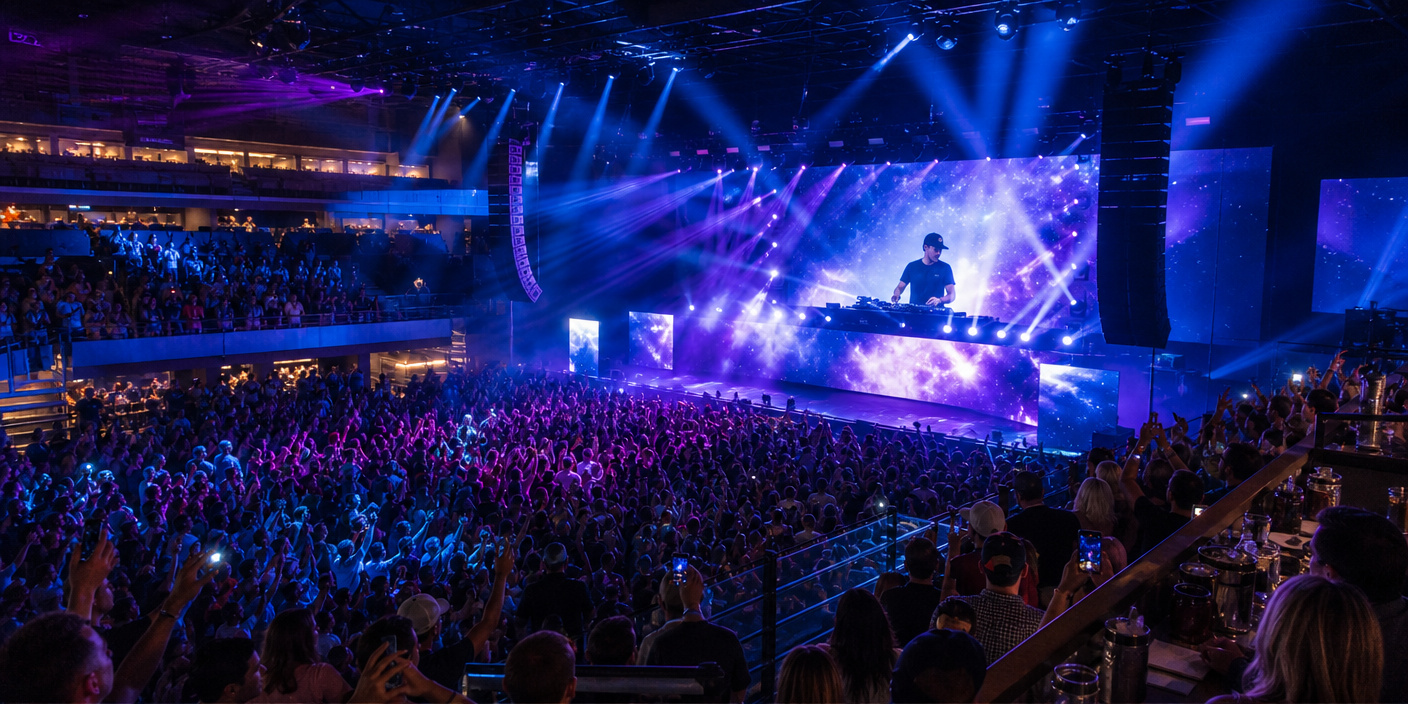
- Foo Fighters at Soldier Field: The legendary rock band performed to a packed stadium, marking a highlight of the city’s summer concert season.
- WNBA Rivalry Matchup: The Indiana Fever vs. Chicago Sky game added significant sports tension to the weekend, underscoring the growing popularity of women’s professional basketball.
- City-Wide Impact: The convergence of these events showcased Chicago’s logistical strength and status as a premiere destination for major cultural and entertainment experiences.
A Weekend of Converging Cultural Currents
The weekend of August 8, 2026, will likely be remembered as one of the most vibrant stretches in Chicago’s recent calendar. While individual large-scale events are common in the city, the simultaneous occurrence of three distinct types of major gatherings—a heritage-focused parade, a stadium-filling rock concert, and a major league sporting event—created a unique urban dynamic. This convergence tested the city’s infrastructure and hospitality sectors while highlighting the deep cultural fabric that makes Chicago a perennial powerhouse.
The 97th Bud Billiken Parade: A Legacy in Motion
The core of the weekend’s energy was the 97th annual Bud Billiken Parade. Established as a tribute to youth and education, the parade remains the oldest and largest African American parade in the United States. Its placement on August 8, 2026, served as the spiritual anchor for the city. Beyond the floats and performances, the event reinforced its historical mission: encouraging students to excel academically and providing a platform for local organizations, schools, and community leaders to engage directly with the youth. For many Chicagoans, this parade is more than just an event; it is a rite of passage and a vital celebration of the city’s future, ensuring that the legacy of education remains front and center amidst the summer festivities.
Stadium Economics: The Foo Fighters and Soldier Field

Simultaneously, the rhythm of the city shifted toward the lakefront, where the Foo Fighters took over Soldier Field. Major concert events of this caliber are significant economic engines for Chicago. They bring in thousands of out-of-town visitors who utilize hotels, public transportation, and local dining, injecting millions of dollars into the local economy. The presence of a band with the global reach of the Foo Fighters emphasizes Chicago’s status as a top-tier stop on international tours. The logistical choreography required to manage a massive parade in one part of the city while handling stadium-level crowd control near the lakefront demonstrated the sophisticated operational maturity of the city’s event management teams.
The Rise of the WNBA: Fever vs. Sky
The sporting world was equally captivated by the clash between the Indiana Fever and the Chicago Sky. The WNBA has seen unprecedented growth, and games featuring top-tier rivalries have become must-see television and in-person experiences. This match brought a different demographic of fans to the city, adding to the diversity of the weekend’s attendees. The competitive nature of this game served as a focal point for sports enthusiasts, further diversifying the weekend’s appeal beyond music and heritage. It reflects the broader trend of women’s sports garnering significant prime-time attention and driving local tourism.
Economic and Social Implications
Looking beyond the excitement, the weekend serves as a case study in urban event strategy. When events like the Bud Billiken Parade, major stadium concerts, and professional league games align, the city’s hospitality and transit systems are tested. Analysts often point to these weekends as critical barometers for the city’s tourism recovery and growth. The sustained engagement across such disparate event types suggests a robust desire for communal, in-person experiences. Furthermore, this weekend demonstrated the resilience of Chicago’s public safety and transportation networks in managing high-density crowds across multiple venues simultaneously.
Future Outlook: Chicago as an Event Destination
As Chicago moves toward the future, the success of the August 8 weekend sets a high bar. The ability to seamlessly integrate a massive community parade with global commercial entertainment shows that the city is effectively balancing its cultural identity with modern event marketing. Future event planning will likely look to this weekend as a model for how to maximize the impact of overlapping local, national, and global events to drive both economic activity and civic pride. The continued support for youth initiatives like the Bud Billiken Parade, combined with the successful hosting of major entertainment spectacles, ensures that Chicago remains a top-tier global city.
FAQ: People Also Ask
Q: What is the significance of the Bud Billiken Parade?
A: The Bud Billiken Parade is the oldest and largest African American parade in the United States. It is deeply rooted in Chicago’s history and focuses on celebrating education, youth achievement, and community unity.
Q: How did the events impact the city’s logistics?
A: Hosting three major events simultaneously required extensive coordination between city services, public transportation (such as the CTA), and private security to manage traffic, crowd flow, and venue safety across the South Side and the lakefront.
Q: Will these events happen again in 2027?
A: The Bud Billiken Parade is an annual tradition. While specific tour dates for bands like the Foo Fighters or the WNBA schedule depend on yearly contracts, Chicago remains a premier venue for major cultural and sports events, making similar weekends likely in future years.
Q: Where were the events located?
A: The events were spread across Chicago, with the Bud Billiken Parade traversing its traditional South Side route and the Foo Fighters performing at the iconic Soldier Field, centrally located along the lakefront.