Chicago is bracing for a dangerous combination of extreme heat and severe thunderstorms as forecasters warn of potential flash flooding and damaging winds. Residents are advised to take precautions and stay informed about changing weather conditions.
Key Highlights:
- A significant heatwave is set to impact Chicago, with temperatures expected to soar.
- Severe thunderstorms are also predicted, bringing risks of heavy rain, flash flooding, and strong winds.
- Emergency services are on alert to respond to potential weather-related incidents.
- Public health advisories are in effect, urging vulnerable populations to take extra care.
Chicago’s Weather Whiplash: Heat and Storms Converge
The Windy City is facing a dual threat from Mother Nature, with a potent heatwave expected to bake the region just as a line of severe thunderstorms approaches. The National Weather Service has issued alerts warning of dangerous conditions, emphasizing the need for residents to prepare for both extreme heat and the potential for severe weather impacts, including damaging winds and flash flooding. This volatile mix presents a significant challenge for public safety and infrastructure across the metropolitan area.
Heat Advisory and Health Concerns
Temperatures are forecasted to climb well into the 90s Fahrenheit, with heat index values potentially exceeding 100 degrees, creating a high risk of heat-related illnesses. Health officials are urging residents, particularly the elderly, young children, and those with pre-existing health conditions, to stay hydrated, seek air-conditioned environments, and limit outdoor activities during the hottest parts of the day. Cooling centers are being opened across the city to provide respite for those without adequate access to air conditioning.
Thunderstorm Threats: Flooding and Wind Damage

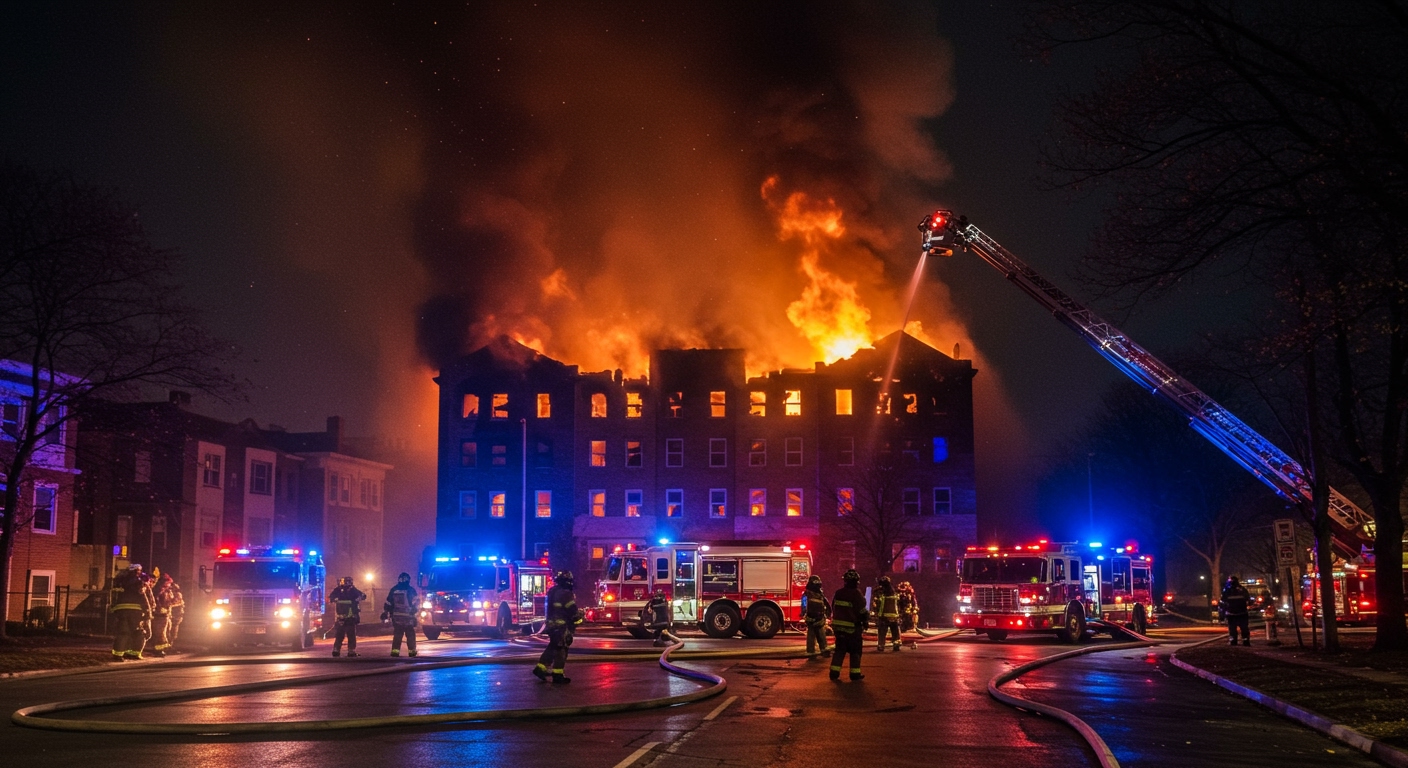


Simultaneously, a cold front is expected to trigger intense thunderstorms, carrying the risk of torrential rainfall, which could lead to flash flooding in low-lying areas and urban centers. Forecasters are also concerned about the potential for damaging straight-line winds capable of downing trees and power lines. The combination of extreme heat and sudden, severe storms creates a particularly hazardous scenario, requiring constant vigilance from residents and preparedness from emergency management agencies.
Emergency Preparedness and Response
City officials and emergency services are mobilizing to address the anticipated weather impacts. The Office of Emergency Management and Communications (OEMC) is coordinating with various city departments and external agencies to ensure a swift and effective response to any incidents. Residents are encouraged to have emergency kits ready, stay tuned to local weather updates, and follow safety guidelines provided by authorities. This includes securing outdoor items that could be blown away by strong winds and being aware of flood-prone areas.
Understanding the Atmospheric Dynamics
Meteorologists explain that the current weather pattern is driven by a strong high-pressure system lingering over the Midwest, which is trapping heat and moisture, creating the conditions for a significant heatwave. As a low-pressure system approaches from the west, it is expected to interact with this hot, unstable air mass, fueling the development of severe thunderstorms. The exact timing and intensity of these storms remain a subject of ongoing analysis, but the potential for significant disruption is high.
FAQ: People Also Ask
What are the main dangers associated with this weather event?
The primary dangers are heat-related illnesses, such as heatstroke and heat exhaustion, due to the extreme temperatures, and flash flooding and wind damage from the severe thunderstorms.
Who is most at risk during a heatwave?
Infants, young children, the elderly, people with chronic illnesses, and individuals who work or exercise outdoors are most vulnerable to heat-related illnesses.
What should I do to prepare for severe thunderstorms?
Secure outdoor objects, stay indoors away from windows, and have a plan for what to do if a tornado warning is issued, even though the primary threat mentioned is wind and flooding.
How can I stay informed about the weather?
Monitor local news, weather apps, and official alerts from the National Weather Service and local emergency management agencies.
Are cooling centers available in Chicago?
Yes, the city typically opens cooling centers during extreme heat events. Information on their locations and hours can usually be found on the city’s official website or by contacting 311.