Chicago has officially stepped into the global spotlight as the host city for the 15th anniversary of International Jazz Day. Today, April 30, 2026, the city is transformed into a vibrant hub of improvisation, swing, and cultural exchange, welcoming the world to experience the deep-rooted musical heritage that has defined the American soundscape for over a century. From the historic stages of the South Side to the opulent halls of the Lyric Opera, the city is pulsating with the energy of a music form that continues to unite nations, generations, and cultures through the universal language of melody and rhythm.
Key Highlights
- Global Centerpiece: The All-Star Global Concert at the Lyric Opera of Chicago, featuring jazz legend and UNESCO Goodwill Ambassador Herbie Hancock, along with an ensemble of world-renowned artists.
- Historical Significance: Chicago’s selection aligns with the 250th anniversary of the United States, underscoring the city’s status as a foundational birthplace of modern jazz innovation.
- Community-Led Initiative: The celebration is driven by a massive, citywide effort spearheaded by the Chicago Jazz Alliance, involving local cultural institutions, schools, and civic partners.
- Diplomatic Mission: The event underscores jazz as a tool for intercultural dialogue, fostering peace and mutual understanding across borders, with satellite events held in over 190 countries.
- Legacy of Legends: The week-long program honors Chicago’s jazz pioneers, including Louis Armstrong and Nat King Cole, while nurturing the next generation of musical innovators through workshops and educational masterclasses.
The Chicago Renaissance: Jazz Diplomacy on the Global Stage
A Homecoming for the Maestro
The 2026 celebration is particularly poignant for Herbie Hancock, the UNESCO Goodwill Ambassador and the visionary force behind International Jazz Day. For Hancock, bringing the festivities to Chicago is a profound homecoming. As a native son who discovered his passion for music in a Chicago high school auditorium, Hancock has championed this day as a vessel for social change and creative freedom. His leadership, in conjunction with the Herbie Hancock Institute of Jazz, has transformed this day from a simple concert into a powerful engine for education and cultural diplomacy. The choice of Chicago is not merely a nod to its past but a strategic investment in its creative future, positioning the city as a beacon for the arts at a time when global unity is more critical than ever.
The Anatomy of an All-Star Production
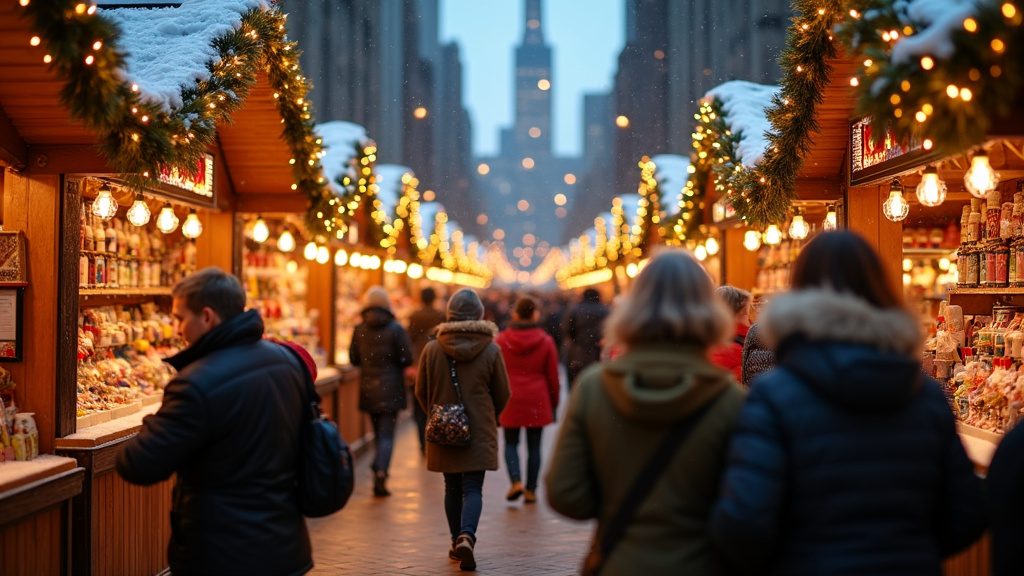
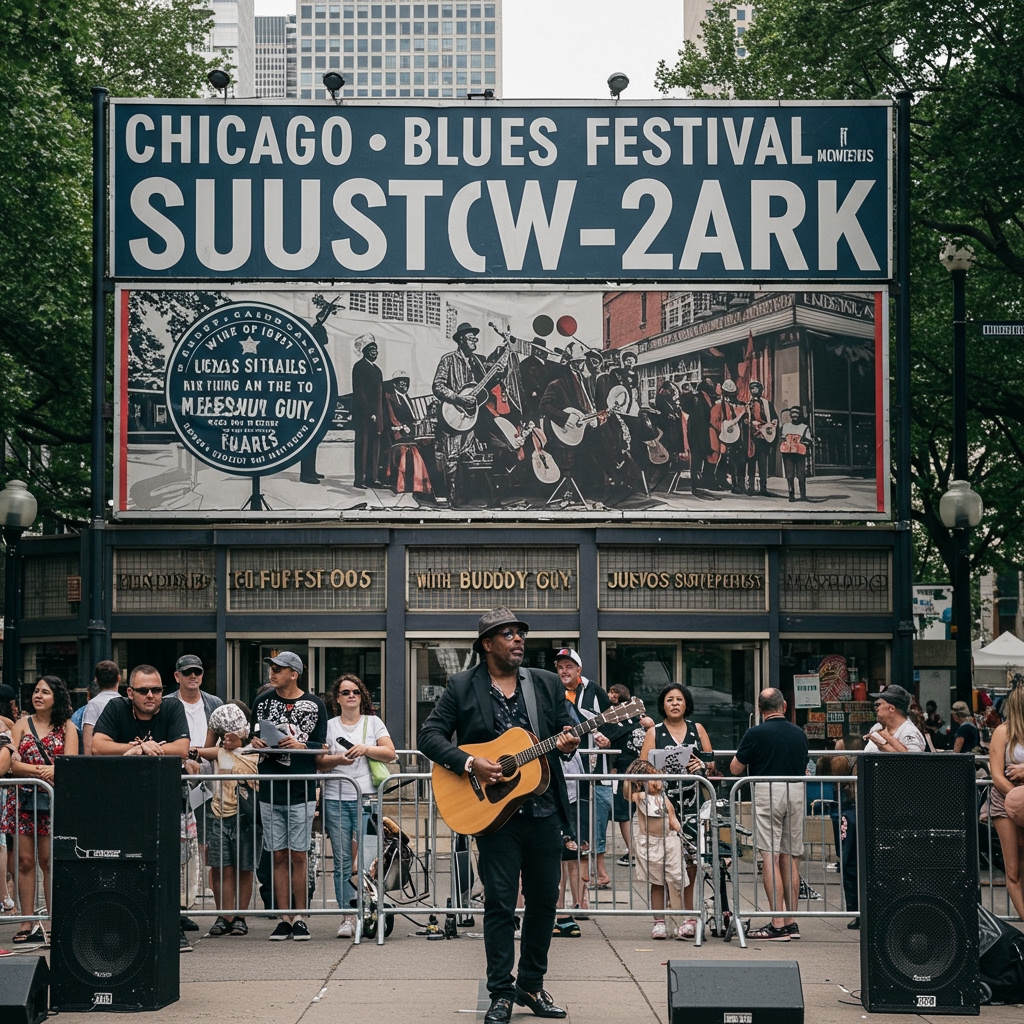
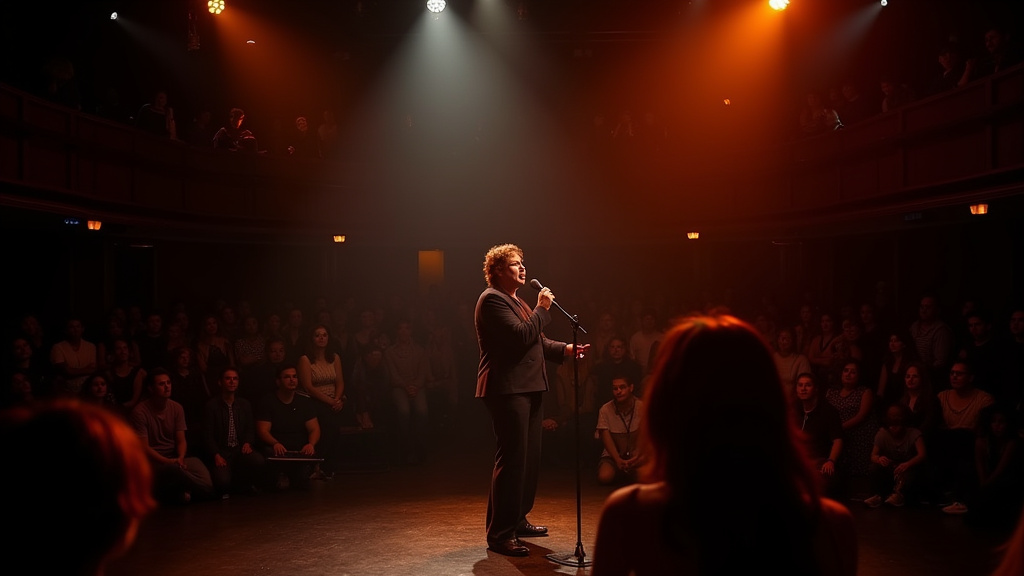
The centerpiece of the celebration, the All-Star Global Concert at the Lyric Opera of Chicago, represents a monumental feat of logistical and artistic coordination. Featuring a lineup of legends such as Kurt Elling, Dee Dee Bridgewater, Marcus Miller, and Jacob Collier, the concert is designed to traverse the vast spectrum of jazz—from the grit of early 20th-century blues-infused rhythm to the experimental frontiers of modern fusion. The production team has worked tirelessly to integrate the architectural grandeur of the Lyric Opera with state-of-the-art broadcasting technology, ensuring that millions of viewers in 190 countries receive a high-fidelity experience that rivals being present in the room. This is more than a concert; it is a live-broadcast testament to the agility and relevance of jazz in the digital age.
Cultural Infrastructure and Civic Pride
The success of International Jazz Day 2026 in Chicago is a direct result of the Chicago Jazz Alliance’s robust collaborative model. Unlike previous iterations of the event that relied heavily on centralized planning, the Chicago approach leverages the city’s existing ecosystem of cultural powerhouses. Partners ranging from the Ravinia Festival to the Department of Cultural Affairs and Special Events (DCASE) have curated a month-long slate of educational programming. By decentralizing the event, the city has ensured that the spirit of jazz reaches beyond the downtown core, touching diverse neighborhoods, schools, and community centers. This focus on accessibility—through masterclasses, open-access concerts, and youth engagement programs—democratizes the art form, inviting the next generation to claim their place in the lineage of American jazz.
Economic and Social Resonance
Beyond the melodies, the selection of Chicago as the host city acts as a catalyst for economic vitality and cultural tourism. The influx of international visitors and the intense media focus shine a light on the “Chicago Style,” characterized by its distinctive emphasis on solos, collective improvisation, and a faster, more rhythmic delivery that defined the jazz age. This celebration serves as a branding milestone for the city, reinforcing its status as a premier cultural destination. Moreover, the alignment with America 250 offers a unique narrative of resilience and creative evolution, framing Chicago not just as a repository of historical musical artifacts, but as a living, breathing laboratory for contemporary innovation.
FAQ: People Also Ask
Is International Jazz Day celebrated only in Chicago this year?
While Chicago serves as the Global Host City and the epicenter of the flagship All-Star Global Concert, International Jazz Day is a worldwide observance. Thousands of programs, performances, and educational initiatives are taking place in over 190 countries, from intimate local jam sessions to large-scale institutional concerts, all unified by the mission of promoting peace and intercultural dialogue.
Who is performing at the All-Star Global Concert?
The concert at the Lyric Opera of Chicago features a star-studded cast, including UNESCO Goodwill Ambassador Herbie Hancock, vocalist Kurt Elling, Dee Dee Bridgewater, Marcus Miller, Jacob Collier, and several prominent Chicago-based artists. The curation aims to bridge generations of jazz masters and emerging talents.
How can I watch the 2026 All-Star Global Concert?
The concert is being broadcast live via a global stream. Viewers can tune in via jazzday.com, YouTube, Facebook, and UN Web TV. The event is produced to be accessible for free, ensuring the widest possible reach for the UNESCO-led initiative.
Why was Chicago chosen as the host city?
Chicago was selected for its unparalleled historical significance as a “jazz mecca” and its ongoing commitment to the arts. As the birthplace of many influential jazz styles and a city that continues to foster innovation through institutions like the Chicago Jazz Alliance, it was deemed the perfect venue to mark the 15th anniversary of the day and align with the 250th anniversary of the United States.