Sustainable Fashion Week Chicago Spring ’26 concluded this past weekend, showcasing a vibrant array of eco-conscious designs and innovative material use. The event highlighted a growing commitment within the fashion industry to environmental responsibility, featuring a diverse lineup of designers and brands dedicated to ethical production and circular economy principles. Attendees witnessed groundbreaking approaches to textile creation, upcycling, and waste reduction, signaling a significant shift towards a more sustainable future for fashion.
Key Highlights:
- Emerging designers showcased cutting-edge sustainable materials, including mushroom leather and recycled ocean plastic.
- A major focus was placed on circular fashion models, emphasizing repair, resale, and end-of-life garment solutions.
- Panel discussions highlighted the economic opportunities and challenges in scaling sustainable fashion practices.
- The event featured live demonstrations of natural dyeing techniques and zero-waste pattern cutting.
A Nexus of Innovation and Sustainability
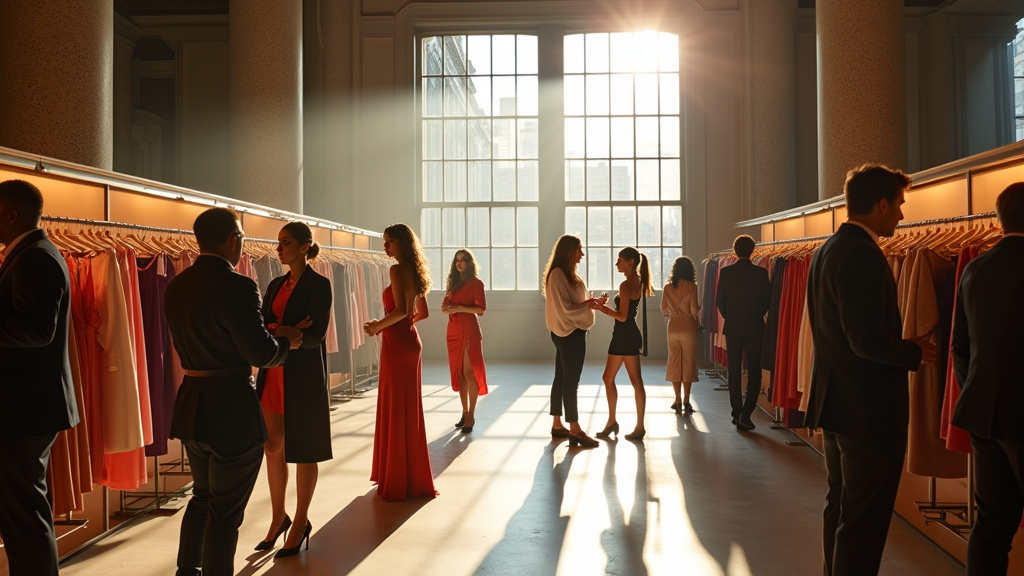
The Spring ’26 iteration of Sustainable Fashion Week Chicago transformed the city into a hub for eco-fashion innovation. Over the course of several days, attendees were treated to runway shows, interactive exhibits, and insightful discussions that underscored the industry’s urgent need for greener practices. This year’s event saw a marked increase in participation from both established and emerging designers, all united by a common goal: to redefine fashion’s relationship with the planet. The collections presented pushed the boundaries of what is possible with sustainable textiles, moving beyond basic organic cotton to embrace advanced bio-materials and ingenious recycling technologies.
Material Futures: Beyond Organic Cotton
One of the most striking aspects of the week was the sheer diversity of innovative materials on display. Designers experimented with alternatives that dramatically reduce environmental impact. “Mushroom leather,” derived from mycelium, offered a supple and durable alternative to traditional animal hides, while brands like “Reclaim Ocean” demonstrated the potential of turning discarded plastics collected from marine environments into high-fashion garments. The utilization of Piñatex, a leather alternative made from pineapple leaf fibers, also continued to gain traction, showcasing its versatility in creating everything from chic handbags to avant-garde jackets. This exploration into material science is not just about aesthetics; it’s about fundamentally rethinking the lifecycle of a garment.
The Circular Economy Takes Center Stage

Beyond material innovation, the concept of a circular economy was a pervasive theme. Many designers and brands focused on creating garments designed for longevity, repairability, and eventual recyclability. Discussions around “take-back” programs, where consumers can return old garments for recycling or upcycling, were prominent. The rise of curated vintage and resale platforms was also celebrated as a vital component of a more sustainable fashion ecosystem. Experts emphasized that true sustainability requires a holistic approach, moving away from the linear “take-make-dispose” model towards one that keeps resources in use for as long as possible.
Economic Viability and Scalability Challenges
While the passion for sustainable fashion is undeniable, the week also addressed the pragmatic challenges of making eco-friendly practices economically viable and scalable. Panelists debated the upfront costs associated with investing in new technologies and ethical manufacturing processes. The conversation also touched upon consumer education and the potential for policy changes to incentivize sustainable production. The consensus was that collaboration across the industry – from material suppliers to retailers – is crucial for driving widespread adoption and making sustainable fashion the norm, not the exception.
Craftsmanship and Ethical Production
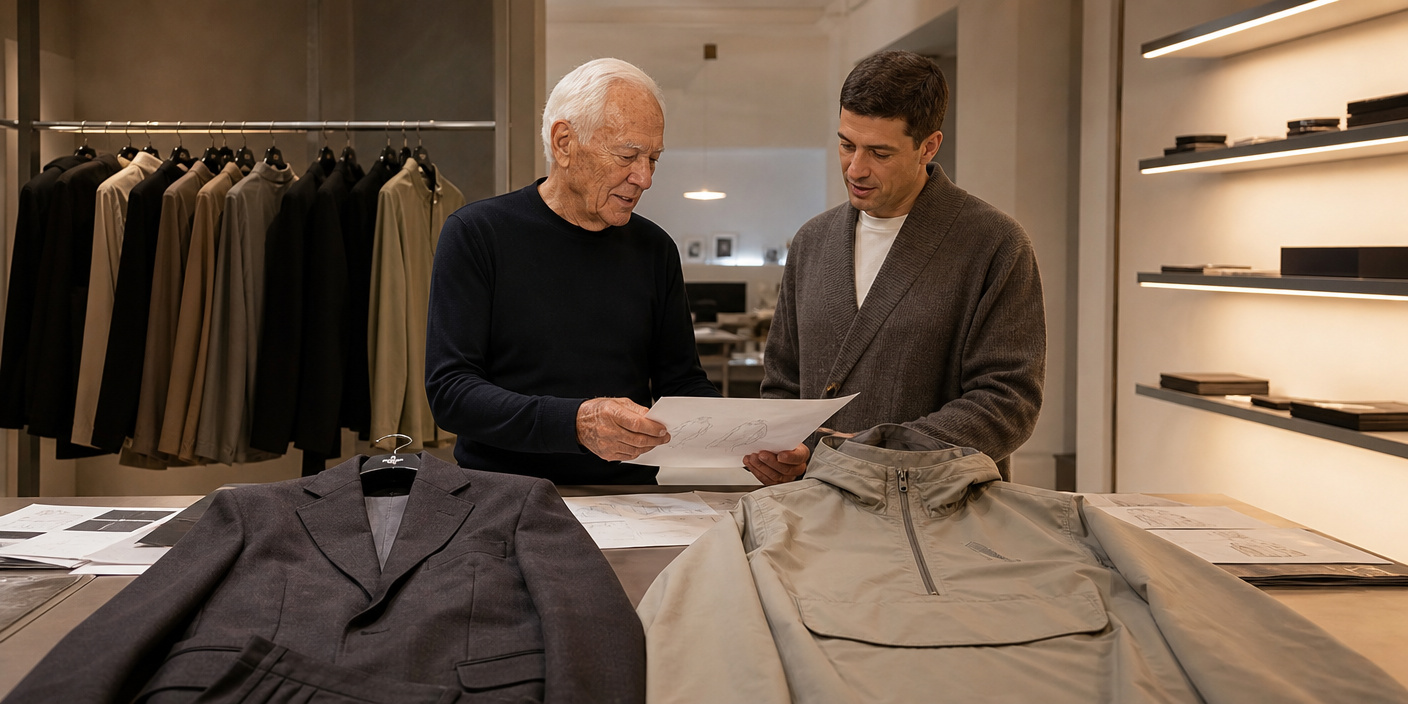
The importance of craftsmanship and fair labor practices was also a recurring talking point. Several designers highlighted their commitment to working with artisans and ensuring fair wages and safe working conditions throughout their supply chains. This emphasis on the human element of fashion production resonated deeply, reminding attendees that sustainability encompasses social responsibility as much as environmental stewardship.
FAQ: People Also Ask
What are the biggest challenges facing sustainable fashion?
The biggest challenges include the high cost of sustainable materials and ethical production, consumer education and willingness to pay more, scaling up innovative technologies, and addressing the complex global supply chains to ensure transparency and reduced environmental impact.
How can consumers support sustainable fashion?
Consumers can support sustainable fashion by buying less and choosing high-quality, durable pieces, opting for second-hand or vintage clothing, supporting brands with transparent and ethical practices, repairing and caring for their existing garments, and demanding more sustainable options from retailers.
What is the role of technology in sustainable fashion?
Technology plays a crucial role by enabling the development of new eco-friendly materials (like bio-fabrics), improving the efficiency of recycling processes, creating transparency in supply chains through blockchain, and facilitating circular business models through online resale platforms and material traceability systems.
What are some examples of sustainable fashion brands?
Examples of sustainable fashion brands include Patagonia, Eileen Fisher, Stella McCartney, Reformation, and smaller, emerging designers who focus on upcycling, natural dyes, and ethical manufacturing. Many brands are also incorporating sustainable lines or initiatives.
What does ‘circular fashion’ mean?
Circular fashion is a system where clothing, shoes, and accessories are designed to be reused, repaired, or recycled, aiming to eliminate waste and keep products and materials in use. It’s a contrast to the traditional linear model of