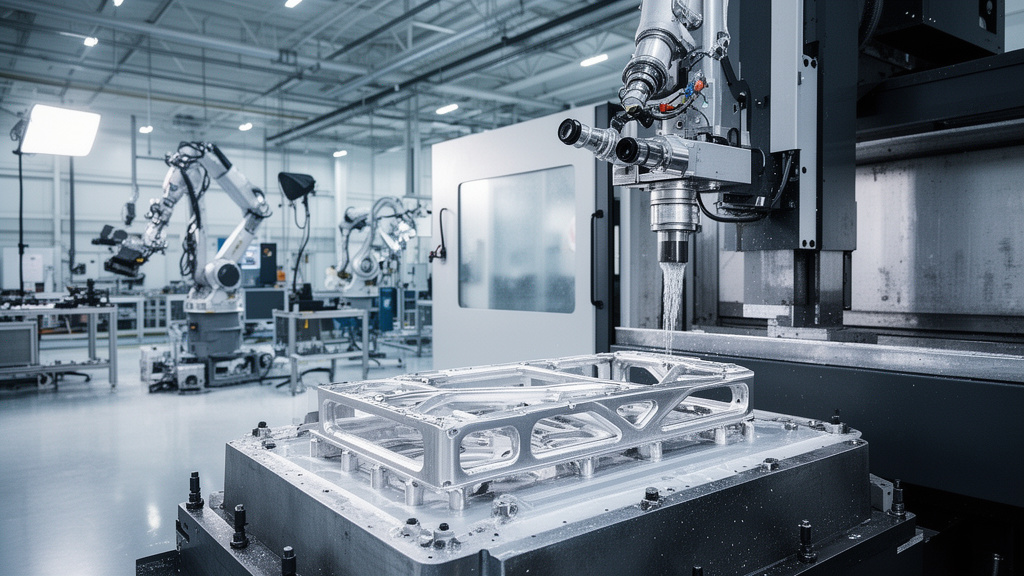
Intel Corp. has unveiled significant breakthroughs in its 18A semiconductor manufacturing process, pushing yields from a previous 65% to a robust 85%. This pivotal achievement is set to bolster Intel’s foundry services and has already attracted substantial design orders from major technology leaders including AMD, NVIDIA, Microsoft, and OpenAI. Concurrently, Intel’s EMIB-T packaging technology has demonstrated remarkable success, achieving an impressive 98% yield. These dual advancements are strategically positioned to meet the escalating demand for advanced chips, particularly within the artificial intelligence sector, and potentially disrupt the market landscape currently influenced by TSMC’s capacity constraints. Intel continues its legacy as a foremost digital chipmaker for personal computers and data centers, now with a strengthened foundry offering.
Key Highlights:
- Intel’s 18A semiconductor process yield has dramatically improved to 85% from 65%.
- Major tech firms including AMD, NVIDIA, Microsoft, and OpenAI have placed design orders with Intel Foundry Services.
- Intel’s EMIB-T packaging technology boasts a 98% yield rate.
- These developments aim to capitalize on AI-driven demand and address semiconductor supply chain dynamics.
Intel’s Foundry Renaissance: A New Era of Chip Manufacturing
The semiconductor industry is witnessing a seismic shift as Intel executes a strategic revitalization centered on its advanced manufacturing processes. The company’s recent announcement of substantial improvements in its 18A process, driving yields to an impressive 85%, marks a critical inflection point. This enhanced efficiency and reliability are not merely internal victories; they translate directly into a more competitive offering for Intel’s foundry business, which aims to manufacture chips for external clients. The securing of design wins from powerhouses like AMD, NVIDIA, Microsoft, and OpenAI underscores the market’s confidence in Intel’s capabilities and its renewed strategic direction.
Strategic Partnerships and Design Wins Fueling Growth
The strategic partnerships and design orders secured by Intel are a testament to the growing trust in its manufacturing prowess. For companies like AMD and NVIDIA, who are at the forefront of developing high-performance computing and AI accelerators, securing reliable and advanced manufacturing capacity is paramount. Microsoft and OpenAI, driven by the insatiable demand for AI-powered services and models, also represent key segments where Intel’s foundry services can provide a critical advantage. These collaborations are not just about current production; they signal long-term engagements that are vital for Intel’s foundry growth strategy. The ability to attract such high-profile clients in a competitive landscape, especially given current global supply chain pressures, highlights the strategic importance of Intel’s advancements.
EMIB-T Packaging: A Complementary Technological Leap




Beyond the core process technology, Intel’s progress in advanced packaging solutions, specifically its EMIB-T technology, further solidifies its integrated device manufacturing (IDM) 2.0 strategy. Achieving a 98% yield with EMIB-T is a remarkable feat, as advanced packaging is increasingly crucial for integrating multiple chiplets and enhancing performance and efficiency. This technology enables Intel to offer a more complete silicon solution, from the fabrication of individual dies to their sophisticated assembly into final products. This holistic approach is particularly relevant for AI and high-performance computing, where complex architectures often benefit from advanced packaging techniques to optimize communication between different components.
Navigating the AI Boom and Market Dynamics
The burgeoning artificial intelligence market presents an unprecedented opportunity for chip manufacturers. The computational demands of training and deploying AI models are driving a surge in demand for specialized processors, including GPUs and AI accelerators. Intel’s advancements in its 18A process and its packaging technologies place it in a strong position to capture a significant share of this rapidly expanding market. Furthermore, Intel’s strategy directly addresses the current capacity constraints faced by competitors like TSMC. By bolstering its own manufacturing capabilities and offering a compelling alternative, Intel can not only serve its traditional client base but also attract new customers seeking dependable and advanced chip production.
The Future of Intel’s Foundry Business
Intel’s renewed focus on its foundry business, coupled with these technological leaps, signals a determined effort to re-establish itself as a premier global chip manufacturer. The success of the 18A process and EMIB-T technology is not just about meeting current demand but also about setting the stage for future innovation. As the industry continues to push the boundaries of miniaturization and performance, Intel’s commitment to investing in cutting-edge process technologies and advanced packaging is crucial for its long-term competitiveness. The company’s ability to demonstrate consistent yield improvements and attract major design wins will be key metrics to watch as it executes its ambitious roadmap.
FAQ: People Also Ask
What is Intel’s 18A semiconductor process?
Intel’s 18A is a leading-edge semiconductor manufacturing process node, representing Intel’s most advanced technology for fabricating integrated circuits. It is designed to deliver higher performance, improved power efficiency, and smaller transistor sizes compared to previous generations.
How does Intel’s yield improvement impact its foundry business?
A higher yield, such as the 85% achieved with the 18A process, means that a larger percentage of manufactured chips are functional and meet quality standards. This directly reduces production costs, increases supply capacity, and makes Intel’s foundry services more attractive and competitive to external customers.
Which major tech companies have partnered with Intel for its foundry services?
Intel has secured design orders from significant technology players including AMD, NVIDIA, Microsoft, and OpenAI. These partnerships highlight the industry’s recognition of Intel’s advanced manufacturing capabilities.
What is EMIB-T packaging technology?
EMIB-T (Embedded Multi-die Interconnect Bridge Technology) is an advanced chip packaging technology developed by Intel. It allows for the efficient integration of multiple chiplets (smaller, specialized semiconductor dies) into a single package, enabling higher performance and more complex chip designs.
How does Intel’s strategy address the current semiconductor market dynamics?
Intel’s strategy, including the advancements in its 18A process and EMIB-T packaging, aims to capitalize on the surging demand for semiconductors, particularly in the AI sector. By improving its manufacturing capacity and technological offerings, Intel seeks to capture market share and provide a strong alternative amidst existing supply chain challenges faced by other foundries like TSMC.