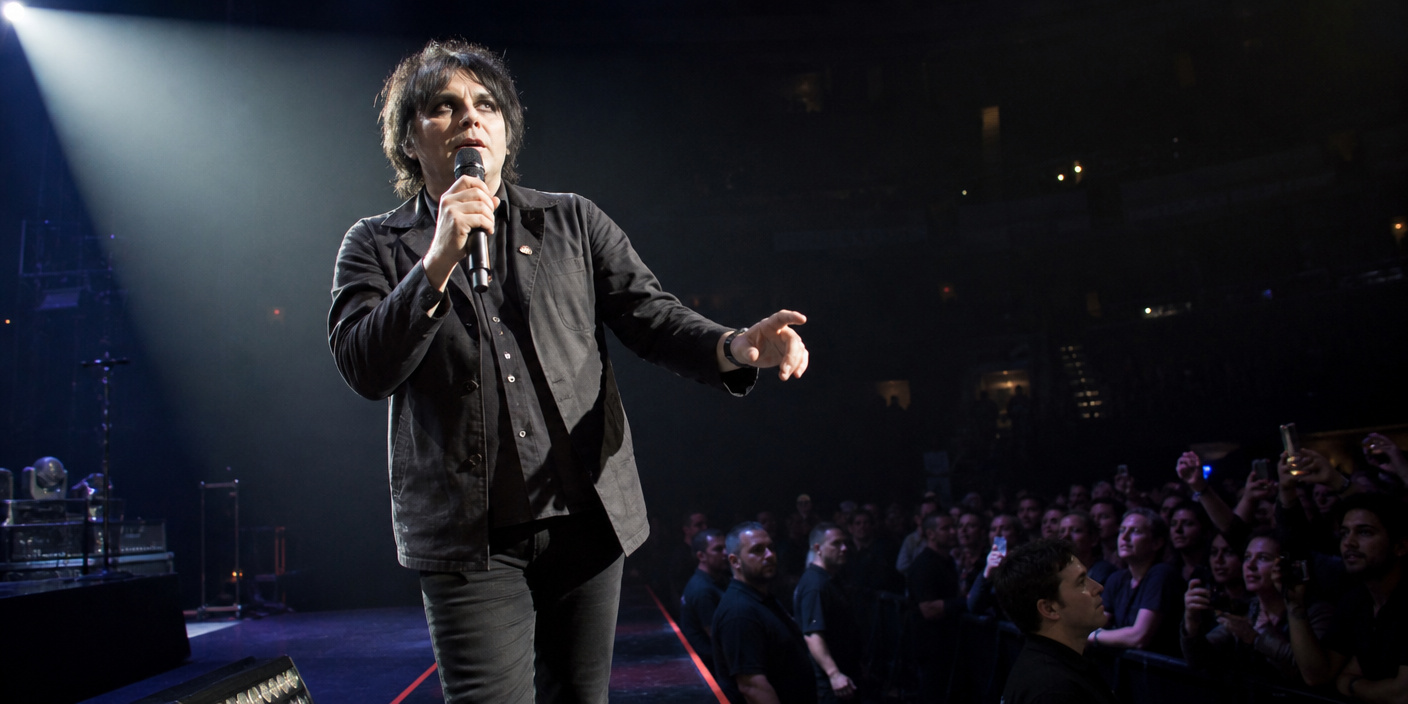
Ed Sheeran’s global concert tour has plunged into an unexpected state of paralysis this week, as the entire roster of supporting acts announced a collective withdrawal from the scheduled performances. The industry-wide disruption comes in direct response to the controversial removal of Macklemore, who was cut from the tour lineup following intense pressure from venue owners and stakeholders regarding his vocal and public advocacy for Palestine.
Key Highlights
- Total Lineup Collapse: Every originally scheduled supporting act has officially withdrawn from the remainder of the tour, citing solidarity with Macklemore and a commitment to artist autonomy.
- The Catalyst: Macklemore’s removal was reportedly triggered by venue management pressure, stemming from his outspoken stance on the current conflict in the Middle East, a move that has sparked widespread debate over venue neutrality.
- Operational Chaos: The sudden departure leaves the Sheeran tour with significant logistical, contractual, and financial challenges, forcing organizers to scramble for replacements or potentially face truncated showtimes.
- Industry Precedent: The walkout marks a significant shift in concert touring, highlighting a growing trend where artists are prioritizing shared political and ethical stances over commercial touring obligations.
The Unprecedented Solidarity Walkout and Industry Fallout
The music industry is currently reeling from what is being described as a “logistical earthquake” affecting one of the most high-profile touring circuits in the world. Ed Sheeran, whose tours are known for their meticulously planned schedules and expansive guest lineups, now finds himself at the center of an unprecedented standoff between concert promoters, venue operators, and the creative community.
The Catalyst: Political Speech vs. Commercial Interests
At the heart of this disruption is the removal of Macklemore from the tour’s roster. According to sources close to the production, the decision to drop the rapper was not initiated by Sheeran’s own management, but rather by external venue owners and major stakeholders who expressed deep concern over the rapper’s public stance regarding the conflict in Palestine. The removal occurred late last week, after several venues reportedly issued ultimatums to tour promoters, citing safety concerns and potential protests should the artist take the stage.
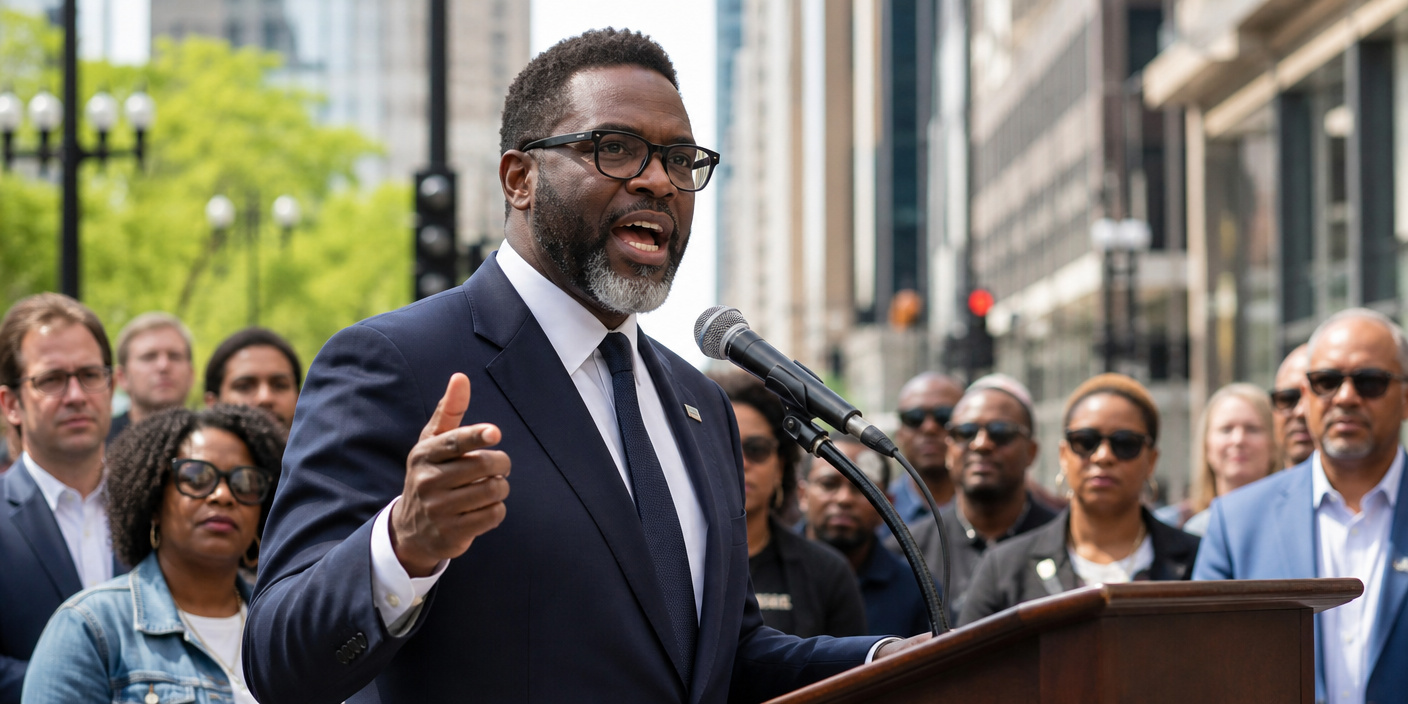
This decision, however, ignited a rapid-fire response from other artists on the tour. By Monday morning, a unified statement was released by the remaining support acts, noting that the removal of a fellow performer based on political speech was a “red line” they could not cross. The move represents a rare moment of collective bargaining within the touring industry, where individual artists, who often operate as independent entities under the umbrella of a larger tour, have leveraged their participation as a tool of political and social protest.
The Operational Crisis: Logistical Hurdles




From an operational standpoint, the departure of the entire support roster is a management nightmare. A global tour of this magnitude is not merely about a headliner; it is a complex, interconnected machine. Support acts provide crucial audience engagement, production continuity, and venue-specific programming. Without a verified roster of opening acts, promoters are now facing the immediate reality of “vanilla” shows, which could lead to significant ticket refund demands or negative public sentiment.
Furthermore, the financial implications are staggering. Contractual disputes regarding cancellation fees, potential venue penalties, and the search for high-profile replacements will likely cost the production millions. “When you lose an entire layer of the touring ecosystem, you aren’t just losing talent; you are losing the structural integrity of the show’s pacing and marketing strategy,” noted an industry analyst who requested anonymity to speak on the logistical fallout.
Contractual Solidarity: A New Era of Artist Action
This event is being analyzed by legal experts and music industry observers as a watershed moment for artist contracts. Historically, touring support acts are beholden to strict contractual agreements that favor the promoter and the headliner. The fact that these acts have collectively walked away—likely facing significant financial penalties for breach of contract—demonstrates the depth of the solidarity.
This trend suggests that we are entering a new era where political and social alignment will become a standard component of touring rider negotiations. Artists are no longer willing to compartmentalize their advocacy from their career obligations. The Ed Sheeran tour crisis may force major venue operators to reconsider their “neutrality” policies or risk being blacklisted by high-drawing artists who prioritize the freedom of expression of their peers.
As of this writing, the Ed Sheeran tour management team is in emergency talks with promoters to stabilize the schedule. Whether this leads to a total pause of the tour or a rapid restructuring with new, perhaps less politically outspoken, supporting acts remains to be seen. However, one thing is clear: the industry landscape has shifted, and the days of treating touring rosters as interchangeable components are likely over.
FAQ: People Also Ask
Q: Was Ed Sheeran involved in the decision to remove Macklemore?
A: Current reports suggest the decision was driven by pressure from venue owners and external stakeholders, rather than a directive from Ed Sheeran himself or his personal management team.
Q: What are the financial repercussions for the support acts who walked out?
A: While specific contracts vary, walking out on a major tour typically involves substantial breach-of-contract penalties. The acts involved have likely calculated that the reputational gain from this solidarity outweighs the financial losses of these penalties.
Q: Will the tour be cancelled entirely?
A: As of now, the tour has not been cancelled. Promoters are working to secure replacements, though finding artists of equal caliber willing to join a tour under these specific circumstances may prove difficult.
Q: How does this impact the ‘neutrality’ of venues?
A: The event has ignited a fierce debate about whether venues should have the power to censor performers based on political speech, with many industry figures calling for clearer guidelines to prevent future controversies.