Riot Fest returns to Chicago’s historic Douglass Park this weekend, September 18–20, 2026, bringing thousands of music fans to the city’s West Side. As the festival gates open, organizers and the Chicago Department of Transportation (CDOT) have issued firm warnings regarding significant street closures, parking restrictions, and potential traffic congestion surrounding the venue. With the festival occupying a significant portion of the public space, the logistics of ingress and egress are of paramount concern for both attendees and local residents of the Little Village and North Lawndale communities.
Key Highlights:
- Event Dates: Friday, September 18 through Sunday, September 20, 2026.
- Location: Douglass Park, Chicago (primary stage setup along the central lawn).
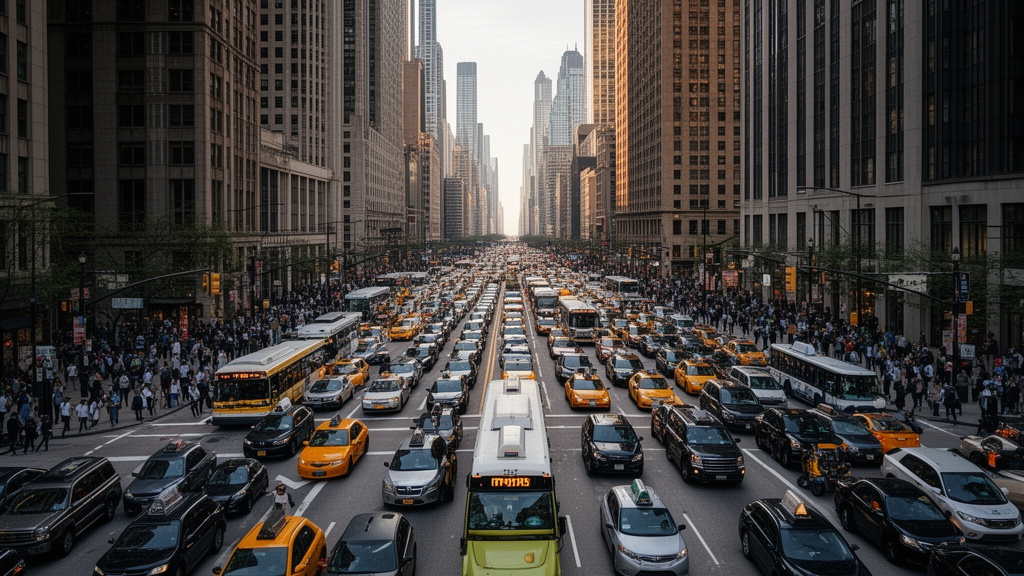
- Traffic Alert: Expect major street closures and limited parking; local authorities advise strict adherence to posted signage.
- Transit Recommendation: Use of the CTA Pink Line and bus routes is strongly encouraged to avoid gridlock.
Navigating the Logistical Landscape of Riot Fest 2026
The return of Riot Fest to Douglass Park is more than a cultural touchstone for the alternative rock and punk community; it is a massive logistical operation that tests the infrastructure of Chicago’s West Side. As the festival kicks off today, the city has implemented a complex traffic management plan to handle the influx of tens of thousands of daily attendees.
The Anatomy of Street Closures and Transit
The primary concern for both attendees and commuters is the perimeter of Douglass Park. Historically, CDOT and the Chicago Police Department coordinate to restrict access to local streets surrounding the park grounds. Drivers should expect “No Parking” zones to be strictly enforced, with towing operations often active to ensure emergency vehicle access and resident mobility.


For those relying on personal vehicles, the lack of designated on-site festival parking remains the most critical hurdle. Organizers have repeatedly emphasized that ride-sharing services and private vehicles will face significant delays due to the mandatory street closures on the park’s northern and eastern flanks. Consequently, the CTA (Chicago Transit Authority) has positioned itself as the most reliable artery. The Pink Line remains the primary transit option, with the California and Kedzie stops serving as the main entry points for pedestrian traffic flowing into the festival grounds. Attendees are advised to utilize the Ventra mobile app for real-time transit updates, as crowding on the platforms is expected to be significant during peak arrival and departure times.
Assessing the Neighborhood Impact and Economic Dynamics
The selection of Douglass Park as a venue for a festival of this magnitude brings with it a complex socioeconomic narrative. On one hand, Riot Fest provides a considerable boost to local businesses in the North Lawndale and Little Village corridors. Cafes, restaurants, and convenience stores see a substantial uptick in patronage as festival-goers traverse the neighborhood blocks leading to the park entrances.
However, this influx also presents challenges regarding public space usage. The secondary angle of this year’s festival centers on the ongoing municipal debate regarding the privatization of public parks for private, ticketed events. Critics and community advocacy groups continue to scrutinize the festival’s impact on the grass, tree canopy, and general accessibility of the park for local residents. The 2026 edition has seen increased collaboration between festival organizers and local community boards to mitigate these concerns, including stricter enforcement of cleanup crews and expanded funding for park restoration post-event. Understanding this tension is vital for attendees; the festival is a guest in a residential neighborhood, and maintaining the viability of this venue depends on the cooperation of the 50,000+ daily visitors.
Future Predictions and Operational Evolution
Looking beyond the 2026 weekend, industry analysts are watching Riot Fest’s operational model closely. As major music festivals nationwide face rising costs and heightened security demands, the move toward data-driven crowd management—such as real-time density tracking and staggered entry systems—is becoming the industry standard.
This year, Riot Fest has implemented a more rigorous “entry-gate” system, designed to redistribute foot traffic and prevent the bottlenecking issues seen in previous years. Furthermore, the integration of digital ticketing infrastructure has streamlined the admission process, reducing the time spent in physical queues. If this year’s logistics prove successful, it will likely set a new benchmark for how large-scale, urban-based festivals operate within densely populated residential zones. For the attendees on the ground today, this translates to a smoother experience, provided they plan their transit and arrival strategies well in advance of the headlining sets.
FAQ: People Also Ask
Q: Is parking available at Douglass Park for Riot Fest 2026?
A: No. There is no official festival parking at Douglass Park. Streets surrounding the park will be closed or restricted to resident-only parking. Towing is strictly enforced. It is highly recommended to use public transit or ride-share services.
Q: Which CTA stops are closest to the festival entrance?
A: The CTA Pink Line is the most efficient way to arrive. The California and Kedzie stations are the primary access points, both of which are within a short walking distance of the main festival gates.
Q: How late does the festival run each night?
A: Music typically concludes at 10:00 PM each night, September 18 through September 20. Attendees are encouraged to factor in an additional 45–60 minutes for exiting the park due to high pedestrian volume.
Q: Are there designated areas for ride-shares like Uber or Lyft?
A: Yes, the festival establishes designated drop-off and pick-up zones. These are typically located several blocks away from the immediate park perimeter to manage traffic flow. Check the official festival map or app for the exact geofenced locations for this year.