Skip to content
The Chicago Today
Quantum Aerospace
  • Home
  • Current News
  • Explore & Enjoy
  • Sports
  • Sound & Screen
  • Sip & Savor
  • Style & Innovation
  • Editors Take
Trending
September 14, 2026Bears Record-Setting 59-37 Rout of Panthers September 14, 2026Bears Shatter Records in Historic 59-37 Opening Night Blitz September 14, 2026Sustainable Fashion Week Chicago 2026: The Third Coast Revolution September 14, 2026Chicago’s Comedy Crown: The Second City’s ‘Best Of’ Legacy September 14, 2026AL Central Showdown: White Sox-Guardians Series With Playoff Life on the Line September 13, 2026Gerard Way Confirms Desire for ‘MCR5’ at Black Parade Finale September 13, 2026Swift Powers Bears: Chicago Secures Crucial TD vs. Panthers September 13, 2026ARC Music Festival 2026: Lessons Learned from Ambitious Expansion September 12, 2026Grichuk’s Ninth-Inning Blast Propels White Sox to 6-5 Win September 12, 2026Streaming Guide: Top Picks for Sept 12-13, 2026
The Chicago Today
The Chicago Today
  • Home
  • Current News
  • Explore & Enjoy
  • Sports
  • Sound & Screen
  • Sip & Savor
  • Style & Innovation
  • Editors Take
  • Blog
  • Forums
  • Shop
  • Contact
The Chicago Today
  Editors Take  Chicago’s ‘Safer Streets’ Initiative Shows Mixed Crime Reduction, Policy Review Ordered
Editors Take

Chicago’s ‘Safer Streets’ Initiative Shows Mixed Crime Reduction, Policy Review Ordered

Kendra LaneKendra Lane—June 5, 20250
FacebookX TwitterPinterestLinkedInTumblrRedditVKWhatsAppEmail

CHICAGO, IL – A comprehensive report, commissioned by the City of Chicago’s Office of Public Safety and publicly released on June 5, 2025, has cast a critical eye upon the performance of the multi-million dollar “Safer Streets Initiative.” The findings present a complex picture, indicating significant positive impacts in specific, targeted areas while demonstrating only marginal gains when viewed through a citywide lens. This divergence in outcomes has immediately ignited debate among city leaders and community stakeholders, placing pressure on Mayor Johnson’s administration to undertake a thorough re-evaluation of the program’s foundational structure, its funding mechanisms, and its overarching implementation strategy.

The “Safer Streets Initiative,” a cornerstone program aimed at mitigating violent crime across Chicago, represents a substantial public investment. Its design included the designation of initial pilot zones where resources and specific strategies were heavily concentrated. According to the June 5th report, these pilot zones have indeed experienced a notable decrease in violent crime. This localized success offers a degree of validation for the initiative’s core principles and tactical deployments when applied with intensity in defined areas.
More stories
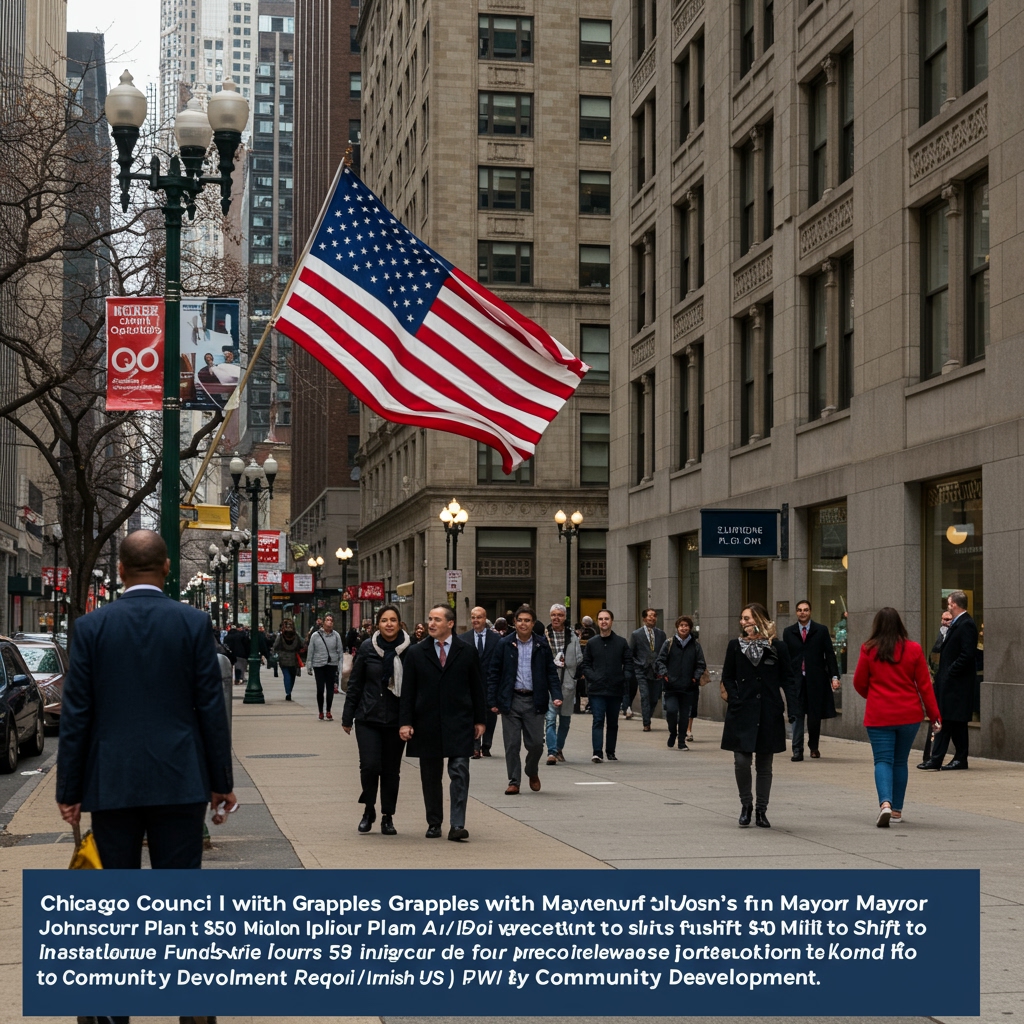
Chicago Council Grapples with Mayor Johnson's Plan to Shift $50 Million Infrastructure Funds to Community Development

Chicago Council Grapples with Mayor Johnson’s Plan to Shift $50 Million Infrastructure Funds to Community Development

March 10, 2025
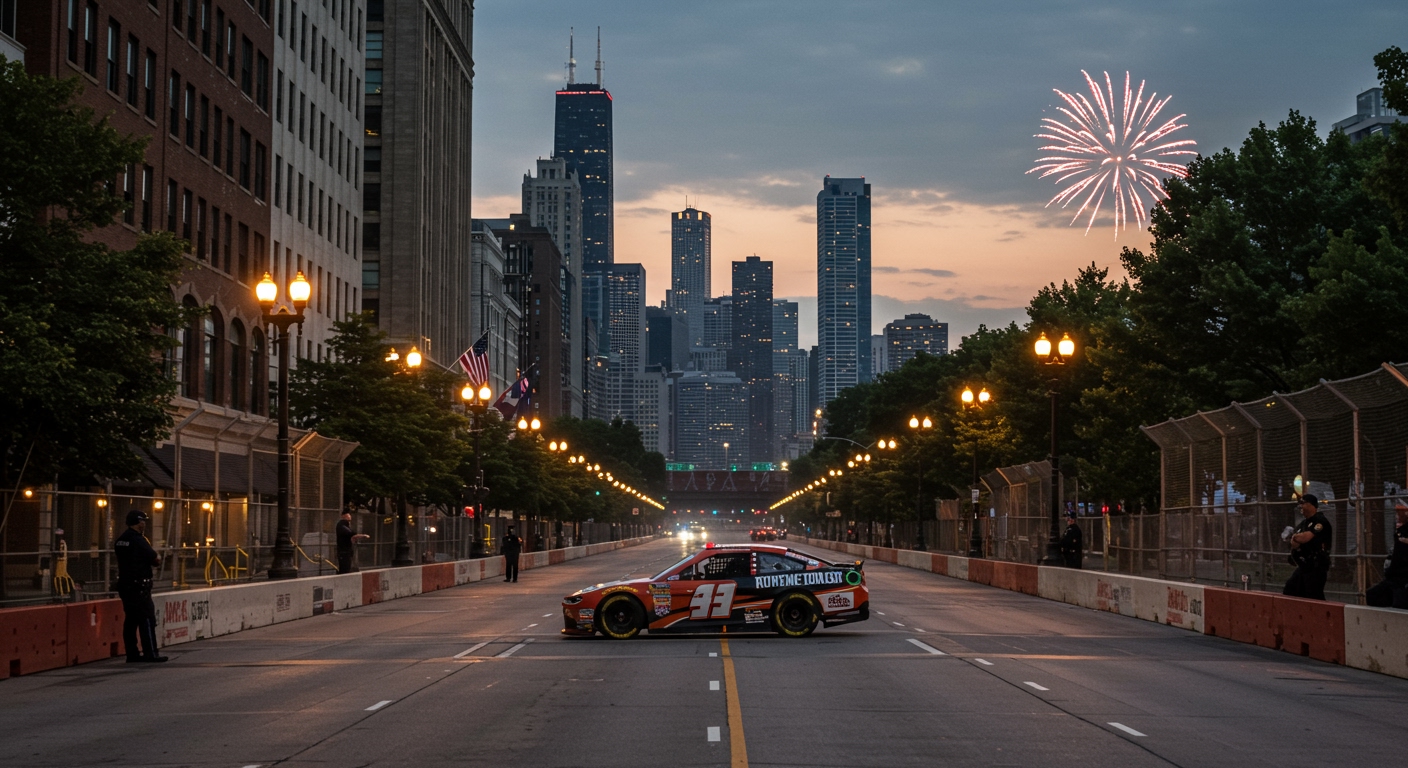
Chicago's NASCAR Future Hinges on Date Change, Tribune Editorial Board Argues

Chicago’s NASCAR Future Hinges on Date Change, Tribune Editorial Board Argues

July 10, 2025
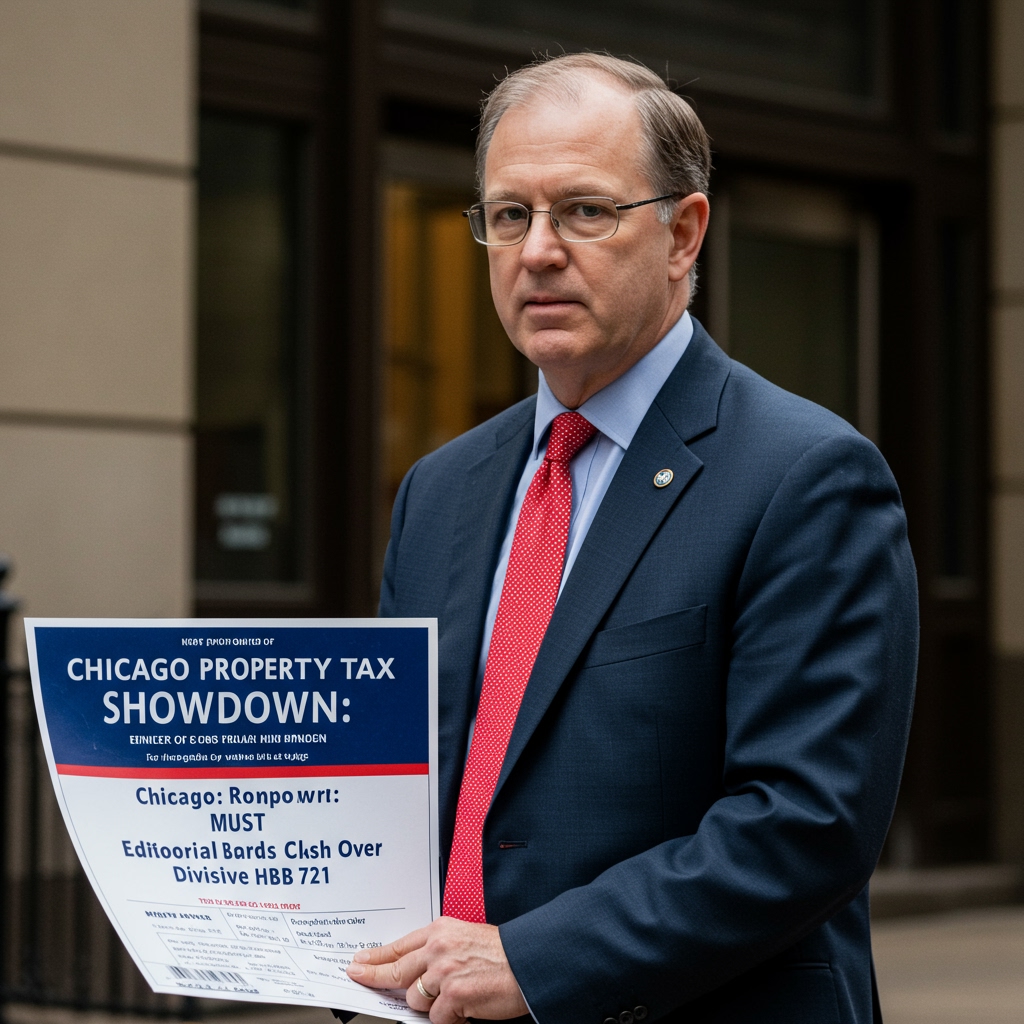
Chicago Property Tax Showdown: Editorial Boards Clash Over Divisive HB 721

Chicago Property Tax Showdown: Editorial Boards Clash Over Divisive HB 721

June 7, 2025
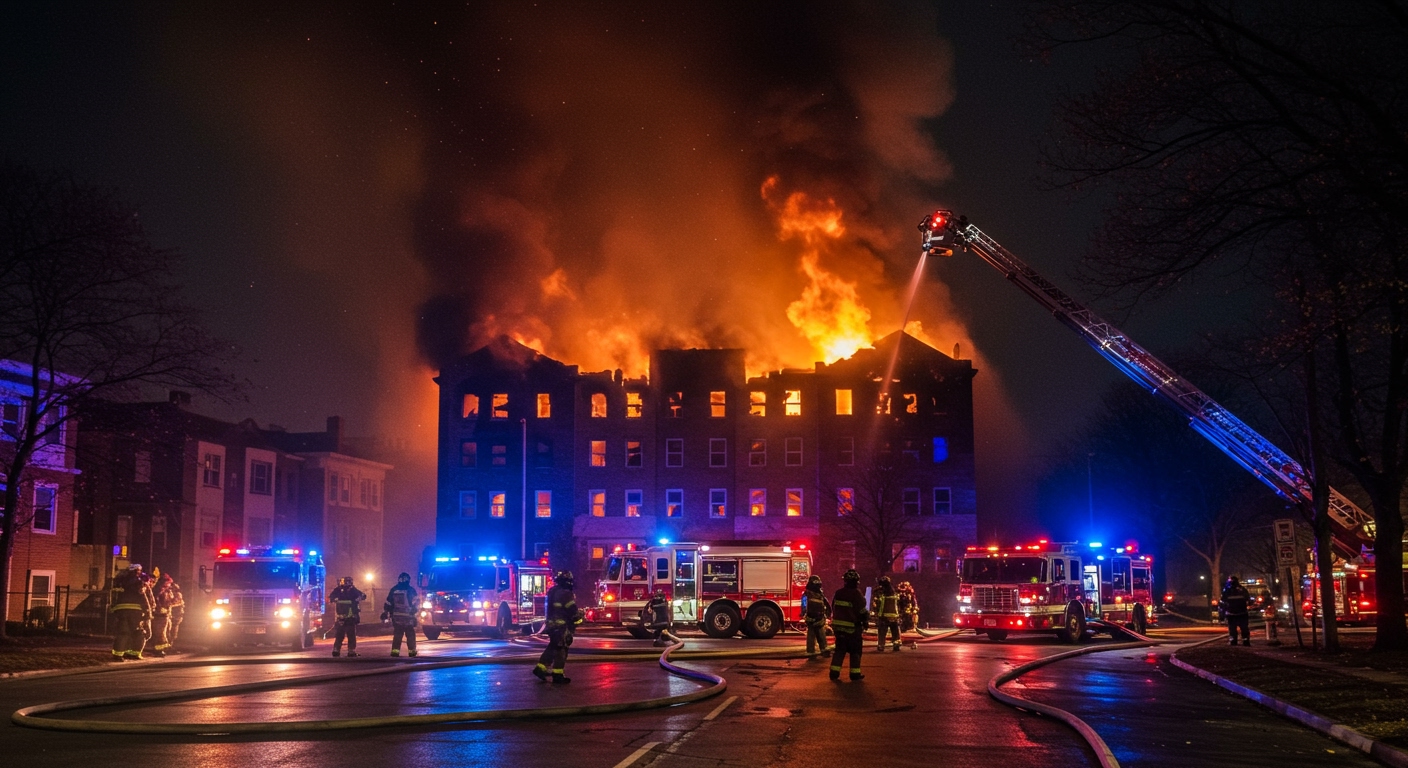
Four Dead in 'Suspicious' Chicago Apartment Fire: Austin Neighborhood Rocked by Deadly Early Morning Blaze

Four Dead in ‘Suspicious’ Chicago Apartment Fire: Austin Neighborhood Rocked by Deadly Early Morning Blaze

June 28, 2025

However, the report delivers a more subdued assessment regarding the program’s broader impact. Citywide data, comparing the initiative’s period of operation to prior years, shows only marginal improvement in overall crime statistics. This suggests that the positive effects observed in the pilot zones have not translated effectively or equitably across Chicago’s diverse neighborhoods. The disparity raises critical questions about the program’s scalability, its capacity to address the unique challenges of different communities, and the efficiency of resource allocation beyond the initial focus areas.

The release of these findings has prompted swift and vocal reactions. Aldermanic leadership, representing wards across the city, has expressed concern over the report’s implications, particularly the limited citywide progress despite the considerable investment. Many aldermen are highlighting the continued public safety challenges faced by their constituents outside the pilot zones and are demanding accountability and strategic adjustments.

Similarly, community groups active in various neighborhoods have weighed in, often echoing the report’s findings regarding unequal impact. These groups, frequently on the front lines of public safety efforts, are urging Mayor Johnson’s administration to take the report’s conclusions seriously. Their calls center on a critical re-evaluation, specifically pushing for a deeper look into the program’s funding structure to ensure resources are deployed effectively and equitably, and demanding a reassessment of the implementation strategy to better tailor approaches to the specific needs of different community areas.

The report’s timing is particularly significant as the city approaches its annual budget deliberations. Discussion surrounding potential policy shifts related to the “Safer Streets Initiative” is now highly anticipated to become a central component of these upcoming fiscal talks. The core focus of these discussions is expected to be twofold: first, addressing the issue of scalability – how to replicate the success seen in pilot zones across a much larger, more complex urban landscape; and second, confronting the disparities in outcomes and working towards strategies that can foster more equitable improvements in public safety across all of Chicago’s varied neighborhoods.

The mixed results presented in the report underscore the inherent challenges in implementing large-scale public safety initiatives in a major metropolitan area. While targeted interventions can yield positive results in concentrated areas, achieving widespread, equitable success requires strategies that are adaptable, adequately resourced across the board, and responsive to the distinct social and economic factors at play in different parts of the city. The report serves as a crucial data point, forcing a necessary conversation about the future direction of the “Safer Streets Initiative” and Chicago’s overall approach to crime reduction.

The path forward will likely involve difficult decisions regarding funding priorities, program design modifications, and enhanced collaboration between city government, law enforcement, and community organizations. The pressure on Mayor Johnson’s administration is significant, as they must navigate the political landscape shaped by the report’s findings while striving to develop and implement strategies that can deliver more consistent and equitable safety improvements for all Chicago residents. The upcoming budget deliberations will provide the platform for these critical discussions, potentially leading to significant adjustments in how the city invests in and pursues its public safety goals.

chicagocrime
FacebookX TwitterPinterestLinkedInTumblrRedditVKWhatsAppEmail

Kendra Lane

Kendra Lane is a seasoned entertainment journalist with a successful career spanning over a decade. Her work, featured in top-tier publications and digital platforms, delves into everything from award-season buzz and breakout performances to the evolving landscape of streaming media. Known for her in-depth celebrity interviews and sharp industry analysis, Kendra offers readers a front-row seat to Hollywood’s biggest stories. When she isn’t on set or sifting through festival lineups, you’ll find her catching retro film screenings or testing out the latest pop culture podcasts. Connect with Kendra to stay on top of the trends shaping entertainment today.

Global Climate Breakthrough: Major Economies Forge Provisional Pact Ahead of G20 Summit
Chicago Restaurant Workers Reach Tentative Deal, Averting Major Strike
Related posts
  • Related posts
  • More from author
Editors Take

ARC Music Festival 2026: Lessons Learned from Ambitious Expansion

September 13, 20260
Editors Take

Economic Toll: How ‘Hunkering Down’ Costs Cook County Millions

September 8, 20260
Editors Take

The Railyards: Inside the Massive Chicago Development Plan

September 5, 20260
Load more
Read also
Featured

Bears Record-Setting 59-37 Rout of Panthers

September 14, 20260
Sports

Bears Shatter Records in Historic 59-37 Opening Night Blitz

September 14, 20260
Style & Innovation

Sustainable Fashion Week Chicago 2026: The Third Coast Revolution

September 14, 20260
Explore & Enjoy

Chicago’s Comedy Crown: The Second City’s ‘Best Of’ Legacy

September 14, 20260
Current News

AL Central Showdown: White Sox-Guardians Series With Playoff Life on the Line

September 14, 20260
Sound & Screen

Gerard Way Confirms Desire for ‘MCR5’ at Black Parade Finale

September 13, 20260
Load more
Recent Posts
  • Bears Record-Setting 59-37 Rout of Panthers September 14, 2026
  • Bears Shatter Records in Historic 59-37 Opening Night Blitz September 14, 2026
  • Sustainable Fashion Week Chicago 2026: The Third Coast Revolution September 14, 2026
  • Chicago’s Comedy Crown: The Second City’s ‘Best Of’ Legacy September 14, 2026
  • AL Central Showdown: White Sox-Guardians Series With Playoff Life on the Line September 14, 2026

    # TRENDING

    chicago20252026aiFashionStreamingreviewaccountabilityinnovationfundingfestivalmusicnetflixalbumculinaryactionacquisitionnascarhululineup
    © 2024 All Rights Reserved by Chicago Today
    • Contact
    • Cookie Policy
    • Privacy Policy
    The Chicago Today
    Manage Consent
    To provide the best experiences, we use technologies like cookies to store and/or access device information. Consenting to these technologies will allow us to process data such as browsing behavior or unique IDs on this site. Not consenting or withdrawing consent, may adversely affect certain features and functions.
    Functional Always active
    The technical storage or access is strictly necessary for the legitimate purpose of enabling the use of a specific service explicitly requested by the subscriber or user, or for the sole purpose of carrying out the transmission of a communication over an electronic communications network.
    Preferences
    The technical storage or access is necessary for the legitimate purpose of storing preferences that are not requested by the subscriber or user.
    Statistics
    The technical storage or access that is used exclusively for statistical purposes. The technical storage or access that is used exclusively for anonymous statistical purposes. Without a subpoena, voluntary compliance on the part of your Internet Service Provider, or additional records from a third party, information stored or retrieved for this purpose alone cannot usually be used to identify you.
    Marketing
    The technical storage or access is required to create user profiles to send advertising, or to track the user on a website or across several websites for similar marketing purposes.
    • Manage options
    • Manage services
    • Manage {vendor_count} vendors
    • Read more about these purposes
    View preferences
    • {title}
    • {title}
    • {title}