SPRINGFIELD, IL – In a significant move to bolster Illinois Civil Rights and counter federal immigration enforcement actions, Illinois lawmakers have passed House Bill 1312, a comprehensive piece of legislation designed to establish new protections for residents and key public institutions. The bill, which cleared both chambers with substantial Democratic support, now awaits the signature of Governor JB Pritzker.
Illinois’s Response to Heightened Immigration Enforcement
The passage of HB 1312 comes in the wake of weeks of intensified federal immigration enforcement, particularly in the greater Chicago area. This surge in activity, at times characterized by aggressive tactics and a lack of transparency, had generated widespread fear and concern among immigrant communities and civil rights advocates concerned about Illinois Civil Rights. The legislation aims to provide a robust legal framework to safeguard individuals against perceived overreach and violations of their civil liberties during civil immigration arrests.
Creating the ‘Illinois Bivens Act’ for Illinois Civil Rights
A cornerstone of the new legislation is the creation of the “Illinois Bivens Act.” This landmark provision empowers individuals to file civil lawsuits against any person found to have knowingly violated state or federal constitutional rights while conducting civil immigration enforcement. The bill specifies that punitive damages can be increased if federal agents conceal their identities, fail to wear body cameras, or use unmarked vehicles during operations, measures critics argue have been employed during recent federal actions concerning Illinois Civil Rights. Proponents assert this measure will hold federal agents accountable and provide a crucial avenue for recourse for those whose constitutional rights have been infringed upon.
Establishing Safe Zones and Institutional Protections for Illinois Civil Rights
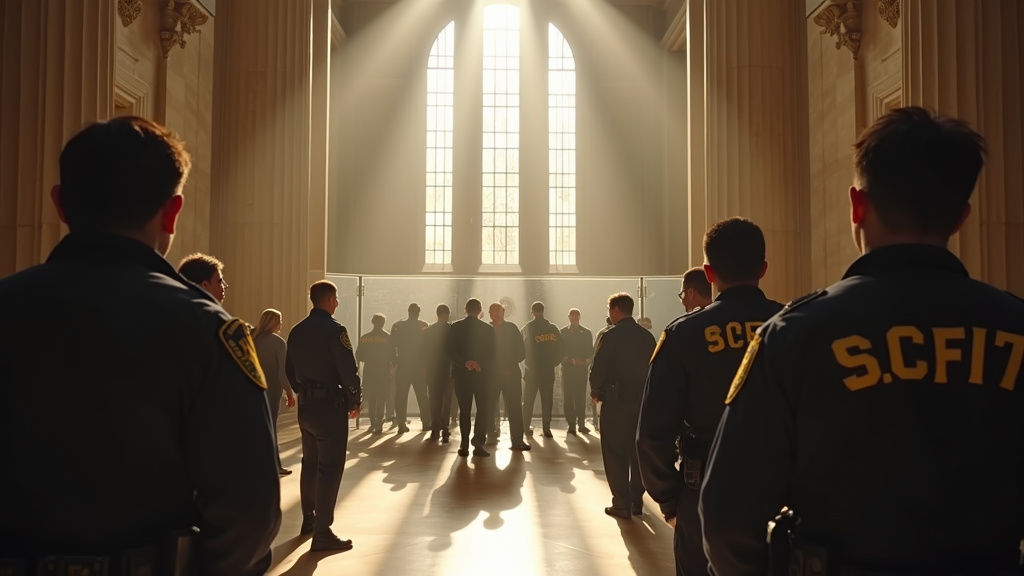
House Bill 1312 also establishes a 1,000-foot “safe zone” around state courthouses, prohibiting civil immigration arrests within this perimeter, including parking facilities and surrounding streets. This measure is intended to ensure that individuals attending court proceedings, whether as litigants, witnesses, or supporters, can do so without fear of detention, thereby upholding Illinois Civil Rights.
Beyond courthouses, the bill extends significant protections to hospitals, schools, and licensed daycare centers. These institutions are now required to develop and implement clear policies governing interactions with law enforcement agents concerning civil immigration matters. Such policies must include procedures for verifying law enforcement authority, handling requests for information, and protecting patient and student data. Schools will also need to establish protocols for law enforcement entries and provide community members with information on how to respond by January 1, 2026, safeguarding their civil liberties.
Employer Retaliation Prohibited Under Illinois Civil Rights Law
Adding another layer of protection for Illinois Civil Rights, HB 1312 amends the Whistleblower Act to prohibit employers from taking retaliatory actions against employees who, in good faith, report violations of the Illinois Bivens Act. This includes prohibiting employers from contacting immigration authorities or reporting an employee’s or their family member’s immigration status to government agencies as a form of reprisal.
Context of Enforcement and Opposition to Illinois Civil Rights Protections
The legislative action follows reports of intensified immigration enforcement operations, such as “Operation Midway Blitz,” in Chicago and its suburbs. Data from the U.S. Department of Homeland Security indicates that a significant portion of individuals detained nationwide do not have criminal histories, a statistic highlighted by critics of the current federal approach to immigration enforcement.
While supporters, including the Illinois Coalition for Immigrant and Refugee Rights and various legal and civil rights organizations, hail the bill as a victory for human dignity and access to justice in Illinois, it has drawn strong opposition. Some Republicans and conservative commentators argue that the bill is unconstitutional, citing the Supremacy Clause, and could impede federal law enforcement operations. They contend that it weaponizes state law to intimidate federal officers. Senate President Don Harmon, a lead sponsor, acknowledged that the measure is likely to face legal challenges but expressed confidence in its constitutional soundness and its role in protecting Illinois Civil Rights.
The passage of HB 1312 reflects a growing trend of states enacting legislation aimed at defining the boundaries of federal immigration enforcement within their borders. As the news circulates, its full impact on federal-state relations and immigrant communities in Illinois remains a trending topic. This new law represents a significant development in the ongoing discourse surrounding immigration policy and Illinois Civil Rights in the state and the nation.