Dozens of law enforcement officers who defended the U.S. Capitol on January 6, 2021, have filed lawsuits seeking to block payouts from a $1.8 billion fund intended for anti-weaponization efforts. These officers argue that the fund’s criteria unfairly exclude them, despite their critical role in repelling the Capitol attack.
Key Highlights:
- Capitol Police and other officers injured during the Jan. 6 riot are suing to prevent funds from being distributed.
- They claim the ‘anti-weaponization’ fund’s eligibility rules prevent them from receiving compensation.
- The lawsuits target the National Institute of Justice (NIJ) and the Department of Justice (DOJ).
- Plaintiffs assert they were subjected to ‘weaponization’ of the government against them through the events of Jan. 6.
Lawsuit Challenges $1.8B Fund Allocation
A significant legal battle is unfolding as a group of law enforcement officers, many of whom were injured defending the U.S. Capitol during the January 6th Capitol riot, have initiated legal action to halt the distribution of funds from a $1.8 billion federal program. The program, established to support ‘anti-weaponization’ initiatives, is now the subject of controversy as the very officers who faced the rioters argue they are being unfairly excluded from its benefits. The lawsuits, filed against the National Institute of Justice (NIJ) and the Department of Justice (DOJ), contend that the eligibility criteria for the fund are too narrow and effectively disenfranchise those who bore the brunt of the violence on that day.
The ‘Anti-Weaponization’ Fund Explained
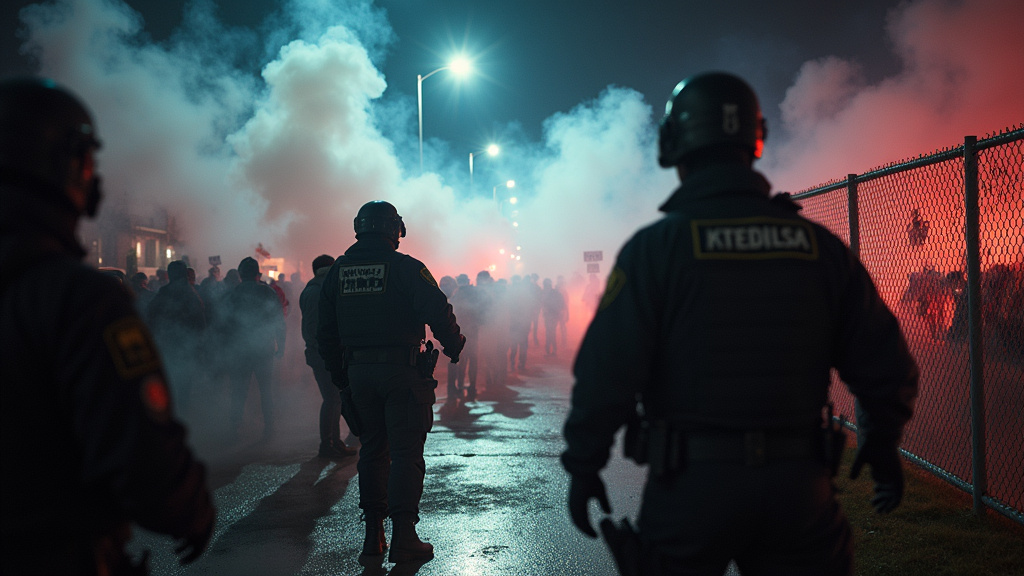



The fund in question was part of broader legislative efforts aimed at addressing issues related to law enforcement and the justice system. While the term ‘anti-weaponization’ might suggest a focus on preventing the misuse of arms or technology, the specific parameters set for this particular fund have become a point of contention. The officers involved in the lawsuits assert that their experiences on January 6th, where they were physically assaulted and faced extreme violence, constitute a form of ‘weaponization’ of the government against them. They argue that the fund, ostensibly designed to support and reform, should recognize and compensate those who were victims of the day’s events while upholding the law.
Legal Arguments and Exclusions
At the heart of the legal challenge is the officers’ claim that the fund’s guidelines, as administered by the NIJ and DOJ, do not adequately account for their injuries and trauma sustained while defending the Capitol. These officers faced a mob armed with various weapons, enduring physical assaults, pepper spray, and other forms of violence. Their lawsuits contend that the fund’s primary objective was likely intended for different types of initiatives, and its current application is inadvertently, or perhaps deliberately, overlooking the direct victims of the riot who were law enforcement personnel. They are seeking judicial intervention to ensure that the fund’s resources are accessible to those who directly experienced and were harmed by the events of January 6th.
Broader Implications for Law Enforcement
This legal dispute raises broader questions about how federal funds are allocated and who qualifies for support in the aftermath of significant national events. The officers involved are not just seeking financial compensation; they are also asserting their narrative and demanding recognition for their sacrifices. Their suits highlight a potential disconnect between the legislative intent of a fund and its practical implementation, as well as the complex, often politicized, landscape surrounding the January 6th Capitol riot. The outcome of these lawsuits could set a precedent for how similar funds are managed and how the contributions and sufferings of law enforcement officers are recognized in future crises.
FAQ: People Also Ask
Who is suing over the $1.8 billion fund?
Dozens of law enforcement officers who defended the U.S. Capitol on January 6, 2021, are suing to block payouts from the fund.
What is the $1.8 billion fund intended for?
The fund is reportedly intended for ‘anti-weaponization’ efforts, though the specific goals and beneficiaries have become a point of legal contention.
Why are the officers suing?
The officers claim that the eligibility criteria for the fund unfairly exclude them, despite their injuries and actions on January 6th. They argue they were victims of ‘weaponization’ themselves.
Which government agencies are involved in the lawsuits?
The lawsuits name the National Institute of Justice (NIJ) and the Department of Justice (DOJ) as defendants.
What is the potential impact of these lawsuits?
These lawsuits could influence how federal funds are allocated in response to national crises and set precedents for recognizing the experiences of law enforcement officers during such events.