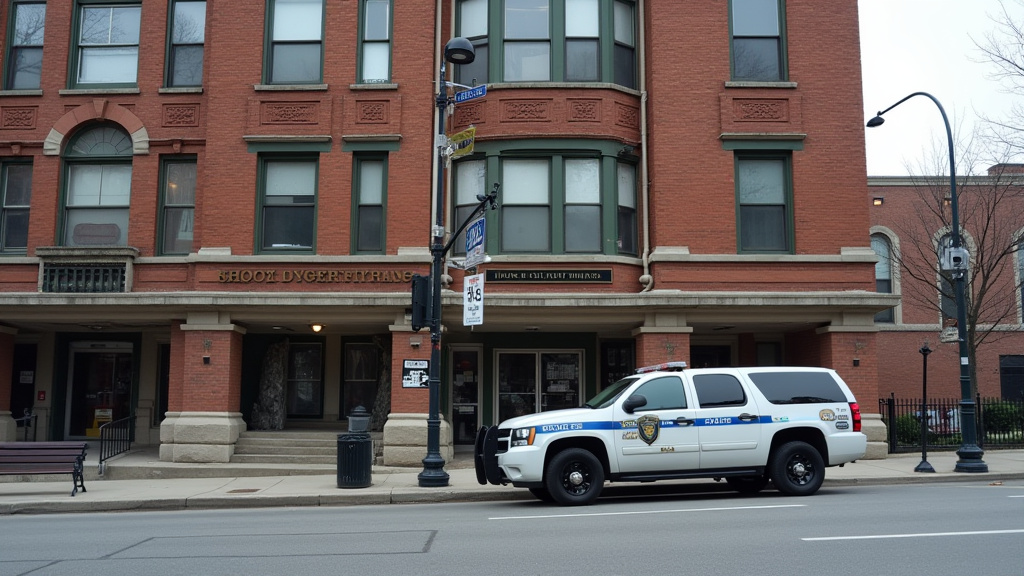
Chicago is on the cusp of a seismic shift in local governance. This November, the city will move away from the long-standing mayoral-appointment system, which has governed the Chicago Public Schools (CPS) since 1995, to a new democratically elected Chicago Board of Education. This transition marks the end of nearly 30 years of centralized mayoral control and introduces a new era of civic accountability. As voters prepare to head to the polls, the focus is squarely on how this 21-member body will manage the nation’s fourth-largest school district.
Key Highlights
- Historic Shift: November 5, 2024, marks the first time Chicago residents will vote for school board members, ending decades of mayoral appointment control.
- The 21-Seat Structure: The new board will consist of 21 seats, with 10 members elected by district, 10 appointed by the Mayor, and 1 president elected citywide.
- Democratic Accountability: The election aims to decentralize power and ensure that Chicago Public Schools (CPS) policies are directly influenced by community votes.
- Implementation Timeline: This is a phased transition, with full board control and legislative oversight becoming a critical focal point for local political organizations.
A New Era of Governance for Chicago Public Schools
The move toward an elected Chicago Board of Education is more than a administrative change; it is the culmination of years of advocacy by community organizers, parents, and the Chicago Teachers Union (CTU). Since the mid-1990s, the mayor of Chicago held the sole power to appoint members to the board, a system championed by then-Mayor Richard M. Daley as a mechanism for rapid reform and fiscal stabilization. Critics, however, long argued that this structure insulated the district from public accountability, creating a disconnect between the board’s decisions and the daily realities of the students and families they served.
Breaking Down the 21-Member Board
Understanding the mechanics of the upcoming election requires navigating the unique 21-member structure mandated by state legislation. Unlike many suburban districts where the entire board is elected, Chicago’s model is a hybrid designed to balance immediate community input with the need for mayoral coordination.
Ten members will be elected directly from newly created districts, each representing a distinct geographic area of the city. Simultaneously, 10 members will be appointed by the mayor, ensuring that the city administration retains a voice in policy. The final seat—the Board President—will be elected citywide, serving as the ultimate arbiter of the board’s vision. This split is unprecedented, and political analysts are watching closely to see how this composition affects voting blocs and policy deadlocks.
The Role and Power of the Board
The Board of Education holds immense power over the trajectory of CPS. Their responsibilities include approving the annual budget, which reaches billions of dollars; appointing the Chief Executive Officer of the school district; setting district-wide policies; and negotiating labor contracts. For years, these decisions were effectively extensions of the Mayor’s office.


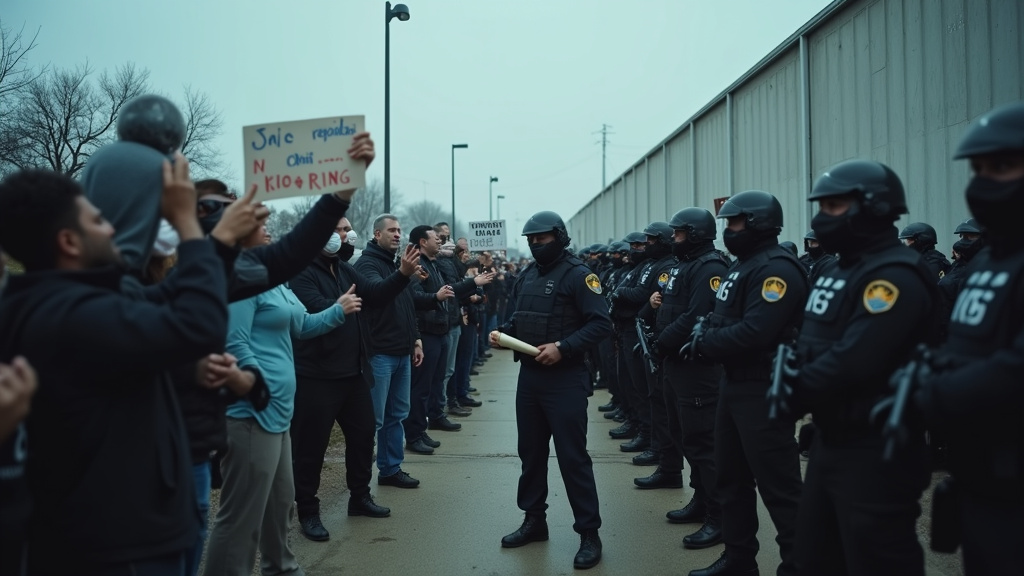

With an elected body, the board will now have to navigate competing interests from various stakeholders. The board will be responsible for balancing the needs of the city’s disparate neighborhoods—from the North Side’s selective enrollment schools to the South and West Sides’ community schools—all while maintaining fiscal solvency and addressing the district’s complex capital improvement needs.
The Political Ecosystem: Navigating the Shift
The Battle for Influence
The transition has created a highly charged political atmosphere. The Chicago Teachers Union (CTU) has been a vocal supporter of an elected board, viewing it as a way to gain leverage against mayoral administrations that may be hostile to union priorities. Conversely, fiscal conservatives and proponents of school choice are concerned that the election of board members will lead to inefficient management, higher costs, and a distraction from academic outcomes. This election has effectively become a proxy battle for the future of the city’s education policy.
Logistical Challenges for the Board of Elections
Beyond the political maneuvering, the logistics are daunting. The Chicago Board of Elections has been tasked with carving the city into 10 distinct districts, a process that has faced intense scrutiny regarding racial representation and equitable divide. Ensuring that voters in every district understand the candidates, the stakes, and the process is a massive undertaking. The educational outreach required to ensure a high voter turnout for this specific down-ballot race is one of the biggest challenges the city has faced in local electoral history.
Economic Implications and Budget Priorities
One of the most critical aspects of the board’s work will be fiscal oversight. CPS has long dealt with significant financial challenges, including declining enrollment and substantial pension obligations. An elected board may feel more pressure to address budget gaps through tax increases or programmatic cuts, moves that carry high political risk. The ability of this new board to manage these multi-billion-dollar liabilities while simultaneously improving student outcomes—such as reading scores and graduation rates—will be the true test of this governance model.
Future Predictions: Stability vs. Turbulence
Looking ahead, observers expect the initial terms to be marked by a period of stabilization and, likely, significant ideological friction. As the 10 elected members and 10 appointed members learn to work together under the leadership of a citywide elected president, the public should expect robust public debates that were previously relegated to behind-closed-door sessions. The outcome of these meetings will set the precedent for Chicago education policy for the next decade.
FAQ: People Also Ask
1. When are the elections taking place?
The Chicago Board of Education elections are scheduled to coincide with the general election on November 5, 2024.
2. How does the 10-10-1 split work?
The board consists of 21 members: 10 are elected by voters from specific districts, 10 are appointed by the Mayor of Chicago, and the Board President is elected by all voters citywide.
3. Why is this election happening now?
After years of lobbying by parents and teachers, the Illinois General Assembly passed legislation requiring the transition to an elected board to increase transparency, community representation, and democratic accountability in Chicago Public Schools.
4. Will the Mayor still have control over CPS?
The Mayor will retain significant influence through the power to appoint 10 members, but the Mayor will no longer hold unilateral control over the board, which has been the case since 1995.