Thousands are expected to take to the streets of Chicago this Friday as labor unions, student organizations, and community activists converge for May Day to advocate for economic reform and worker rights on the 140th anniversary of the Haymarket movement. The city, which serves as the historic birthplace of International Workers’ Day, will host a series of demonstrations throughout the day, culminating in a major march that organizers say is necessary to address growing concerns over wage inequality, corporate influence, and labor protections. This year’s mobilization, branded under the rallying cry of “Workers Over Billionaires,” highlights an increasingly collaborative relationship between traditional labor unions and a younger, more vocal student demographic eager to engage in civic activism.
Key Highlights
- Historic Anniversary: Chicago commemorates 140 years since the Haymarket Affair, a pivotal event in the international labor rights movement that catalyzed the establishment of the eight-hour workday.
- Strategic Collaboration: Chicago Public Schools (CPS) reached a unique agreement with the Chicago Teachers Union (CTU), allowing for school-day participation in labor rallies through provided transportation, despite classes remaining in session.
- Main Events: The primary rally is scheduled to begin at 1:00 p.m. in Union Park, followed by a march at 2:00 p.m. heading toward Daley Plaza.
- Broad Coalition: Over a dozen organizations—including the Illinois Coalition for Immigrant and Refugee Rights, SEIU Healthcare Illinois, and Warehouse Workers for Justice—are joining the coalition to demand policy shifts on immigration, fair wages, and corporate accountability.
The Resurgent Spirit: May Day 2026 in the Windy City
Chicago has long functioned as the crucible of the American labor movement. From the packinghouse strikes of the early 20th century to the historic Haymarket Affair of 1886, the city’s streets have served as both a battleground and a staging area for the fight for worker dignity. As the city approaches the 140th anniversary of the events that sparked International Workers’ Day, the labor climate in Chicago has shifted. It is no longer defined solely by traditional contract negotiations; it has evolved into a broader, intersectional movement involving students, immigrant rights advocates, and community leaders who view economic justice as the foundation of civil rights.
The Intersection of Education and Advocacy
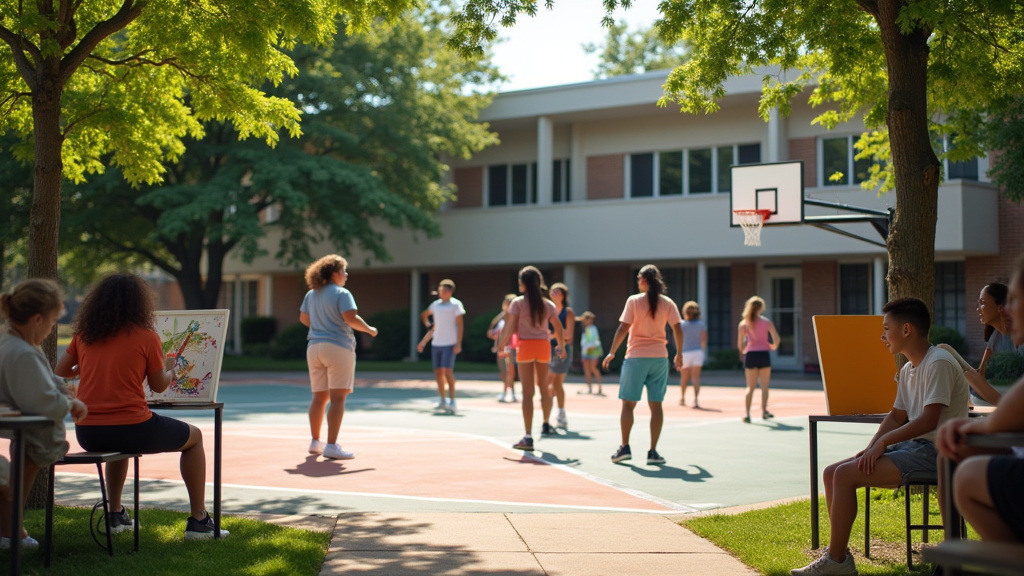
One of the most defining aspects of the 2026 May Day events is the involvement of Chicago Public Schools. In previous years, school involvement in political demonstrations was a point of contention between administrators and unions. However, this year marks a notable shift in institutional flexibility. The agreement between CPS and the CTU reflects a nuanced compromise: schools will remain open to fulfill educational obligations, yet the district has actively facilitated student and staff attendance at labor rallies. By providing buses for field trips to Union Park, CPS is tacitly acknowledging that real-world civic engagement is a vital component of a modern education. Critics have raised questions about instructional time, but supporters argue that the lessons students learn while standing on a picket line—about democracy, negotiation, and collective power—are as valuable as those found in a textbook.
Economic Demands in a Digital Era
The “Workers Over Billionaires” banner is more than just a catchy slogan; it represents a specific set of economic demands tailored to the challenges of the mid-2020s. Today’s labor advocates are grappling with issues that their counterparts in the 1880s could scarcely imagine: the rapid integration of artificial intelligence in the workplace, the erosion of gig-economy protections, and the widening chasm between executive compensation and the average worker’s salary.
During the various pre-rally meetups scheduled across the city—including gatherings at the Haymarket Memorial and PUSH headquarters—organizers are emphasizing a “No Work, No School, No Shopping” strategy. This method of economic non-cooperation is designed to disrupt the status quo, forcing local businesses and policymakers to confront the reality that the city’s engine runs on labor, not capital. The demands go beyond simple wage increases; they call for stricter regulations on how private entities interact with federal authorities, specifically concerning immigrant workforce protection and the expansion of democratic participation in union governance.
The Logistics of a Citywide Movement
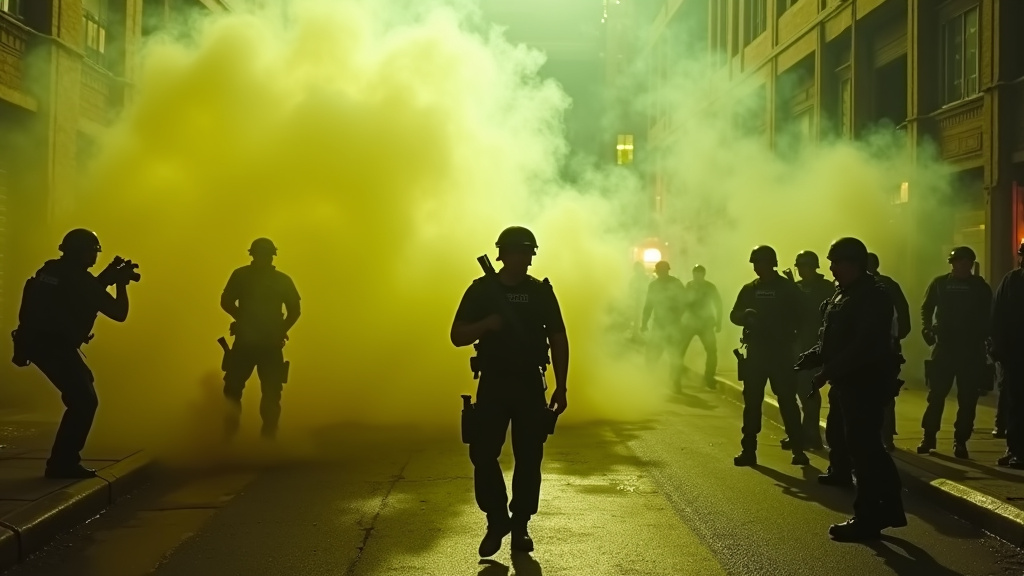


The logistical footprint of a May Day march in a city the size of Chicago is substantial. With thousands expected to traverse the corridor from Union Park (1501 W. Randolph St.) to Daley Plaza, local transit and traffic patterns will inevitably experience significant disruption. The Chicago Department of Transportation has warned of rolling closures, advising commuters to avoid the downtown corridor during the peak hours of the march.
For the participants, the march is a marathon of advocacy. It begins with local school meet-ups in the morning, followed by specific programming regarding election defense and young citizen advocacy. These disparate events are designed to feed into the central rally, creating a “fountain” effect where smaller groups merge into a single, cohesive body of demonstrators. This structure serves a dual purpose: it maximizes the visual impact of the crowd size at Daley Plaza while ensuring that specific interest groups—such as healthcare workers and immigrant rights advocates—have space to voice their unique concerns before joining the larger march.
Historical Context: Why Chicago Still Matters
To understand the intensity of the May Day rallies in Chicago, one must look backward. The Haymarket Affair remains a wound and a rallying point in the city’s collective memory. The event, which began as a peaceful protest for an eight-hour workday, devolved into violence that resulted in the deaths of police and civilians, followed by a trial that many historians consider a miscarriage of justice. This history is not just preserved in museums; it is actively invoked by today’s labor leaders.
When a coalition gathers at the Haymarket Memorial on Desplaines Street, it is an act of reclaiming that history. Modern protesters often contrast their nonviolent commitment with the aggressive tactics of the past, emphasizing that the “fight” today is fought through policy, legislation, and public pressure rather than the literal street battles of the 19th century. Yet, the underlying demand remains unchanged: recognition of the worker as a human being with inherent rights, rather than a replaceable asset.
The Future of the Labor-Student Alliance
Perhaps the most significant takeaway from the 2026 May Day planning is the solidified alliance between the Chicago Teachers Union and student groups. Historically, labor unions focused on the specific trades they represented. Today, the scope has widened. By inviting students to participate, labor groups are effectively grooming the next generation of activists. The presence of young people at these rallies—many of whom are already organizing their own schools for climate justice or racial equity—creates a feedback loop. Students bring energy, digital literacy, and fresh perspectives to labor campaigns, while unions provide the institutional structure, legal support, and organizational “muscle” necessary to execute large-scale demonstrations.
As the city settles in for the day of events, the atmosphere in Chicago remains one of anticipatory tension. While the city has seen protests before, the sheer breadth of the coalition—spanning healthcare, education, retail, and immigrant advocacy—suggests that this year’s May Day is an inflection point. Whether these rallies result in immediate legislative changes at City Hall or in Springfield remains to be seen. However, the movement has already achieved a secondary goal: it has successfully framed the debate for the coming year, forcing a public conversation on the true cost of labor in a city that prides itself on its industrial and working-class heritage.
FAQ: People Also Ask
Q: Why does Chicago host such massive May Day events compared to other U.S. cities?
A: Chicago is the historical epicenter of International Workers’ Day. The 1886 Haymarket Affair occurred here, making the city a symbolic home for the global labor movement. Consequently, there is deep institutional memory and an established network of labor organizations that naturally organize annually around this date.
Q: Are Chicago businesses required to close for May Day?
A: No. May Day is not a federal or state holiday, and businesses are not required to close. However, individual workplaces, particularly those with strong union contracts or those sympathetic to the labor cause, may have different internal policies regarding time off for employees to participate.
Q: How do the student-led rallies impact Chicago traffic and transit?
A: The march route from Union Park to Daley Plaza will result in significant street closures and potential public transit delays. City officials advise commuters to check the Chicago Transit Authority (CTA) website for real-time bus reroutes and potential station congestion during the march hours.
Q: What is the main goal of the ‘Workers Over Billionaires’ campaign?
A: The campaign is a broad coalition platform advocating for economic reforms including higher wages, the protection of labor unions from corporate interference, and the implementation of policies that prioritize social safety nets, education, and healthcare over corporate profit margins.