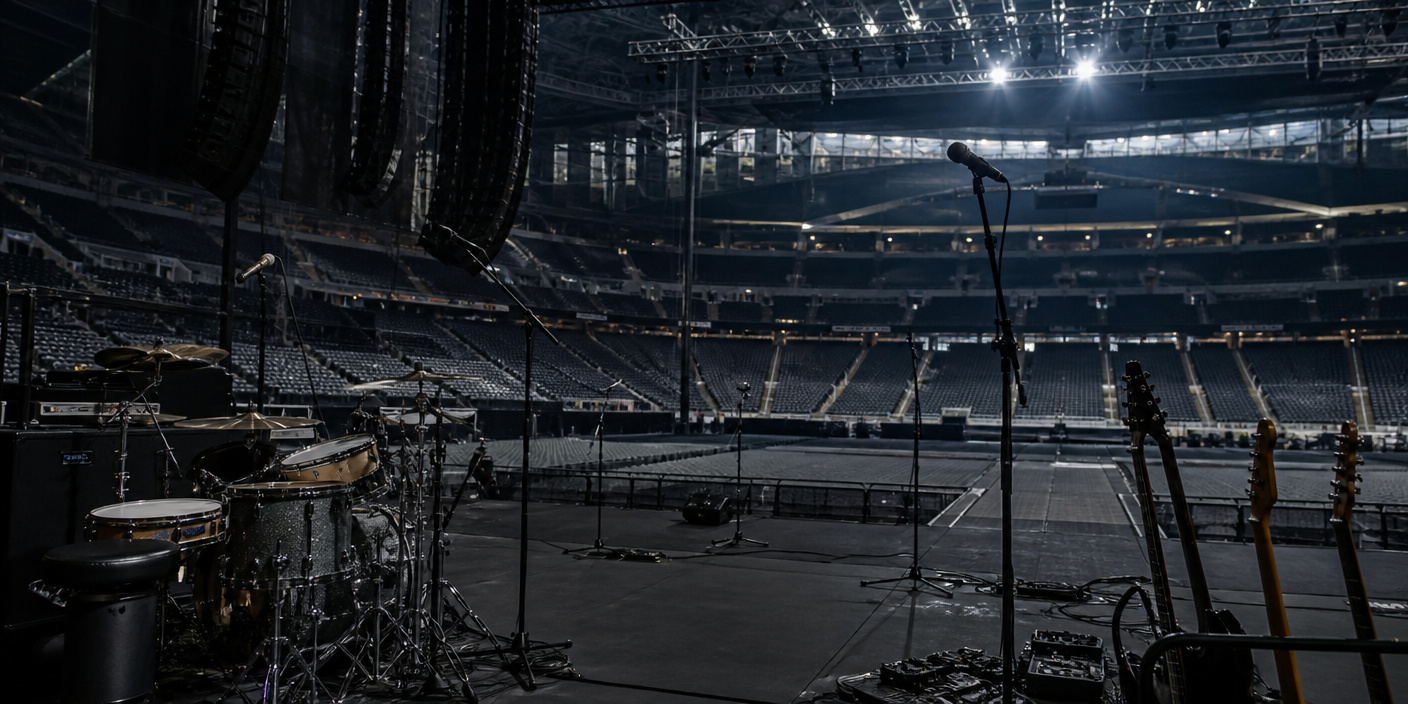
In a momentous display of resilience and artistic reclamation, Scottish singer-songwriter Lewis Capaldi graced the stage at Chicago’s United Center on April 25, 2026, marking a definitive chapter in his ongoing return to live music. Following an extended, necessary hiatus triggered by the intense pressures of global touring and a public struggle with Tourette Syndrome, Capaldi’s Chicago performance served as more than just a tour stop; it was a profound testament to the power of prioritizing mental health over the relentless demands of the music industry.
The Chicago Homecoming
For many in attendance, the atmosphere at the United Center was charged with a unique blend of anticipation and protective affection. This performance, occurring halfway through his current North American tour, saw Capaldi in top vocal form, effortlessly blending the raw, cathartic balladry that launched his career with a newfound sense of ease and lightheartedness. The concert functioned as a full-circle moment for fans who had witnessed his difficult struggles in 2023.
Addressing the crowd, Capaldi openly discussed his journey, contrasting the anxiety-ridden memories of his previous visit to the area with the relative calm he now experiences. His ability to laugh at himself—a trademark trait of his personality—was on full display, providing a stark but welcome contrast to the vulnerability he showed when discussing his recovery. By referencing his own song, “Heavenly Kind of State of Mind,” as a thematic anchor for his current mental headspace, Capaldi signaled a shift from surviving the industry to thriving within it.
A Journey Defined by Resilience
The road to this Chicago performance has been anything but linear. In June 2023, Capaldi made the brave decision to step away from the spotlight after struggling through a set at the Glastonbury Festival. The footage of that performance—where his symptoms of Tourette Syndrome and anxiety rendered him unable to complete the song, only for the audience to carry the melody for him—became a defining image of the modern music industry’s mental health crisis.
Rather than forcing a quick return, Capaldi prioritized his long-term well-being, embarking on a two-year hiatus. This period was not merely a break from public life; it was an intensive, active process of therapy, medical management for his Tourette Syndrome, and a fundamental reassessment of his relationship with fame. As evidenced by his return, this time away proved vital. His latest EP, Survive, released in late 2025, captures this transition perfectly, serving as an auditory diary of his recovery process. The title track, which he performed to an electric reception in Chicago, acts as an anthem not just for his own comeback, but for anyone navigating the complex labyrinth of personal struggles.
The Changing Landscape of Touring
Capaldi’s return sheds light on a significant shift in the music industry. In years past, an artist cancelling a tour due to mental health concerns might have been perceived as a career-ending vulnerability. Today, Capaldi is part of a growing movement of artists—including Sam Fender, Shawn Mendes, and Arlo Parks—who are normalizing the prioritization of mental health.
His openness has transformed his tour environment. Instead of the high-pressure, isolating conditions of the early 2020s, Capaldi’s 2026 tour operations appear designed for sustainability. This includes more deliberate pacing and a culture that encourages transparency regarding physical and mental fatigue. For fans, this creates a different kind of concert experience: one that is built on trust, shared vulnerability, and genuine connection rather than the polished, high-octane perfection of a pre-pandemic pop machine.
Advocacy and Human Connection
Beyond his personal health, Capaldi’s impact has been structural. His partnership with organizations like BetterHelp, aimed at providing thousands of hours of free therapy to fans, illustrates a commitment to public service that extends far beyond his own recovery. By framing his hiatus as a “734-day journey,” he has managed to turn a deeply personal, often painful period of his life into a tangible resource for his community.
In Chicago, this translated to a crowd that seemed acutely aware of the privilege of witnessing this moment. There was a palpable sense of unity in the arena. When Capaldi performed “Someone You Loved,” the acoustic intimacy of the performance underscored that the barrier between artist and audience had been permanently altered. They weren’t just singing a hit song; they were acknowledging the shared history of the last three years. The “heavenly” state of mind he spoke of is not one of flawless happiness, but of peace—the peace that comes from knowing one’s limits and having the courage to respect them.
As the tour continues, the conversation around Capaldi is no longer solely about his chart success or his vocal prowess. It is about the precedent he is setting for the future of pop stardom. He has proven that an artist can step away, face the darkest aspects of their reality, and return not just intact, but evolved. His performance in Chicago was not the end of a comeback story, but rather a confident step into a new, more sustainable future for one of pop music’s most authentic voices.
FAQ: People Also Ask
1. What specifically caused Lewis Capaldi’s hiatus?
Lewis Capaldi took an extended break following his performance at the 2023 Glastonbury Festival. He publicly stated he was struggling with burnout, severe anxiety, and the impact of Tourette Syndrome, which made performing live increasingly difficult and physically taxing.
2. Is Lewis Capaldi still dealing with Tourette Syndrome?
Yes, Tourette Syndrome is a chronic condition. Capaldi has been open about the fact that he is still learning to manage the symptoms and that his return to touring includes strategies to accommodate his health needs, such as pacing his schedule and prioritizing therapy.
3. What is the significance of the “Heavenly Kind of State of Mind” reference?
“Heavenly Kind of State of Mind” is a track from his album Broken By Desire to Be Heavenly Sent. In the context of his 2026 return, it serves as a metaphor for the peace and clarity he has achieved through his two-year recovery period, contrasting with the chaotic “state of mind” he experienced during his 2023 tour.
4. How long was Lewis Capaldi’s hiatus?
Capaldi spent approximately two years away from the spotlight, from mid-2023 to his major surprise return at Glastonbury in June 2025, focusing on his mental and physical health before fully resuming touring in 2026.