The atmosphere in Chicago underwent a seismic shift on August 27 and 28, as global music phenomenon BTS touched down at Soldier Field for a two-night sold-out residency. The arrival of the K-pop supergroup not only transformed the iconic lakeside venue into the epicenter of the music world but also necessitated a massive overhaul of downtown Chicago’s logistical and traffic management operations. For the city, it was a test of infrastructure; for the fans, known collectively as the ARMY, it was a long-awaited milestone that highlighted the group’s unrivaled capacity to mobilize global audiences.
The Soldier Field Spectacle: A Logistics Masterclass
When a group with the cultural footprint of BTS performs, the venue preparation extends far beyond the stage setup. Soldier Field, known for hosting Chicago Bears football games and major international touring acts, faced unique challenges regarding crowd density. City officials, coordinating closely with stadium management, implemented a rigorous ingress and egress plan to manage the tens of thousands of ticket holders.
From the early hours of August 27, Lake Shore Drive became a focal point for traffic monitoring. The Chicago Department of Transportation (CDOT) deployed additional staffing to manage pedestrian congestion near the Museum Campus, recognizing that the sheer volume of attendees would rival, if not exceed, traditional sporting event crowds. The logistics team focused heavily on ride-share pickup zones, creating designated transit corridors to prevent gridlock in the South Loop, which was already bracing for peak weekend tourist activity.
Economic Ripples: Downtown Chicago’s Post-Show Boom
Beyond the stadium walls, the economic impact of the BTS weekend was palpable across the city’s central business district. Hospitality, in particular, saw a massive spike in activity. Hotel occupancy rates in the Loop and River North neighborhoods approached 95% capacity, a figure that industry analysts attribute directly to the influx of out-of-town fans.
Local businesses, from fine-dining establishments to street-level retailers, benefited significantly. The “BTS effect” resulted in an estimated multi-million dollar injection into the local economy over the 48-hour period. Restaurateurs reported record-breaking cover counts, with many downtown venues hosting themed events to cater to the demographics of the concert-goers. This influx of capital served as a timely boost for the service industry, which remains a vital component of Chicago’s post-pandemic recovery.
Urban Planning & Transit: Managing the ARMY Influx
The Chicago Transit Authority (CTA) faced the daunting task of transporting thousands of fans efficiently before and after the concerts. In anticipation of the August 27-28 dates, the CTA ramped up frequency on the Red, Green, and Orange lines, specifically targeting the Roosevelt station—the primary hub for Soldier Field access. By deploying extra “event trains” and increasing the frequency of bus routes serving the Museum Campus, the city managed to avoid the catastrophic bottlenecks that often plague large-scale events at the stadium.
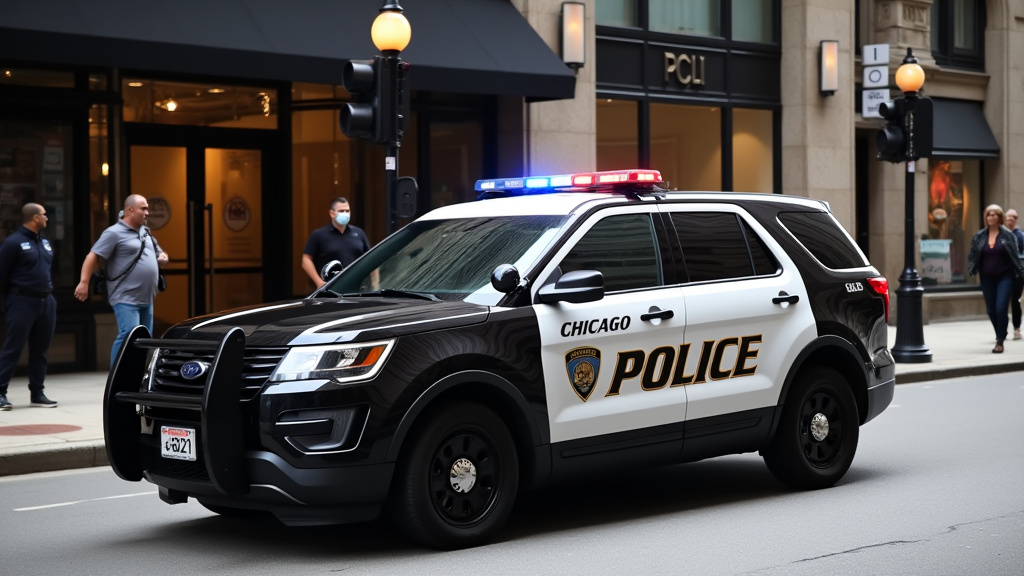
Strategic coordination between the CTA and local law enforcement allowed for a streamlined flow of foot traffic. Safety protocols were enhanced, with specialized security perimeters established around Soldier Field to ensure that non-ticketed fan gatherings did not obstruct emergency access routes. This level of granular planning—balancing fan engagement with public safety—sets a new benchmark for how Chicago handles major pop-culture events.
Secondary Angles: Analyzing the Broader Impact
1. The Evolution of Stadium Security: The BTS residency forced security firms to pivot toward “digital-first” crowd management. By utilizing real-time social media monitoring and app-based communication, organizers were able to disseminate transit and safety updates to the ARMY in real-time, effectively reducing the burden on traditional security personnel and physical signage.
2. Comparative Economic Analysis: Historical data on Soldier Field events suggests that K-pop residency weekends outperform standard arena tours in terms of “per-head” spending. The highly organized and community-oriented nature of the BTS fandom results in longer stays in the city and higher engagement with local vendors compared to casual concert attendees, suggesting that future urban planning should prioritize these high-impact cultural events.
3. Future Predictions for Touring: As BTS and similar global acts continue to choose major urban hubs, Chicago has established a successful blueprint for managing high-density tourism. The city’s ability to leverage its existing infrastructure to accommodate such spikes in demand will likely make it a more attractive destination for future high-profile global residencies, potentially securing Chicago’s position as a top-tier global entertainment stop.