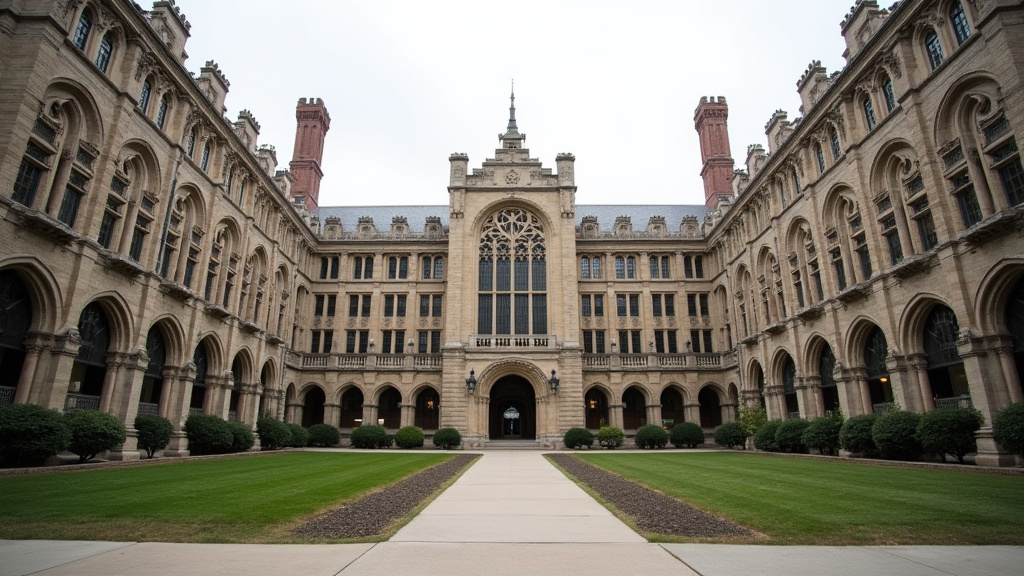
Logan Correctional Center, the state’s largest correctional facility for women, is officially slated for a substantial geographical and infrastructural overhaul. The current prison, a key institution in the state’s correctional system, will be rebuilt approximately 140 miles north of its existing location. This ambitious project is designed to create a new facility with a projected capacity of 800 beds, addressing concerns related to the current facility’s size and potential overcrowding. As of spring 2026, the Logan Correctional Center was housing approximately 1,200 female inmates and relied on the dedicated service of over 400 staff members. The decision to relocate and rebuild signifies a major investment in the state’s correctional infrastructure and a strategic move to modernize facilities. The exact new location and timeline for construction remain critical details to be finalized and announced by state correctional authorities. This move is expected to have significant implications for both the inmate population and the staff, requiring careful planning for a seamless transition.
Key Highlights:
- Logan Correctional Center, serving as the state’s largest women’s prison, is relocating.
- The new facility will be situated roughly 140 miles north of the current site.
- The rebuilt prison will have a capacity of 800 beds.
- As of spring 2026, the prison housed approximately 1,200 women and employed over 400 staff.
Planning a 140-Mile Correctional Shift: Logistics and Impact
The impending relocation of Logan Correctional Center marks a pivotal moment for the state’s correctional system. This strategic move, positioning the facility approximately 140 miles further north, is not merely a geographical shift but a comprehensive plan to upgrade and expand capacity. The current facility, which as of spring 2026 housed around 1,200 women, has been operating with a significant population that the new 800-bed facility will aim to manage more efficiently, potentially through phased transfers or adjustments in intake policies.
Infrastructure and Capacity Enhancements




The decision to rebuild signifies an opportunity to incorporate modern correctional design principles and technologies. The new facility’s capacity of 800 beds is a key figure that will influence population management strategies across the state. The shift northwards also raises questions about accessibility for families and legal counsel, necessitating robust logistical planning for transportation and visitation services. Furthermore, the construction and operational phases will likely involve significant economic considerations, including job creation in the new region and potential impact on existing community resources.
Staff and Inmate Transition Strategies
With over 400 staff members currently employed at Logan Correctional Center, the transition will require meticulous planning to ensure continuity of operations and minimize disruption. This includes considerations for staff relocation assistance, training for new systems or procedures at the northern site, and maintaining morale throughout the process. For the approximately 1,200 women currently incarcerated, the move necessitates careful consideration of their individual cases, needs, and proximity to support networks. Ensuring humane and orderly transfers will be paramount, adhering to all legal and ethical standards.
The Role of the Department of Corrections
The Department of Corrections (DOC) will spearhead the complex undertaking of relocating and rebuilding Logan Correctional Center. Their expertise in correctional facility management, inmate transport, and staff oversight will be crucial. This project aligns with broader state initiatives aimed at modernizing correctional infrastructure and improving rehabilitation services. The DOC’s communication with stakeholders, including inmate families, legal advocates, and the public, will be vital for transparency and managing expectations throughout the relocation process.
FAQ: People Also Ask
What is the primary reason for relocating Logan Correctional Center?
The primary reason for relocating Logan Correctional Center is to establish a new, modernized facility with a specific capacity of 800 beds. This move also involves shifting the prison approximately 140 miles north of its current location, suggesting a strategic decision to update infrastructure and potentially address operational or spatial needs.
How many inmates and staff are affected by this move?
As of spring 2026, the Logan Correctional Center housed around 1,200 women and employed over 400 staff members. Both the inmate population and the staff will be directly affected by the relocation and rebuilding process.
What is the new capacity of the relocated prison?
The new facility being built to replace Logan Correctional Center will have a capacity of 800 beds.
When is the relocation expected to occur?
Specific timelines for the relocation and construction of the new Logan Correctional Center have not yet been publicly announced by state correctional authorities. Further details are expected as the project progresses.
Will the move impact families visiting inmates?
The relocation of Logan Correctional Center approximately 140 miles north is likely to impact visitation schedules and travel logistics for inmate families. Comprehensive planning by the Department of Corrections will be necessary to address these concerns and ensure continued access for families where possible.