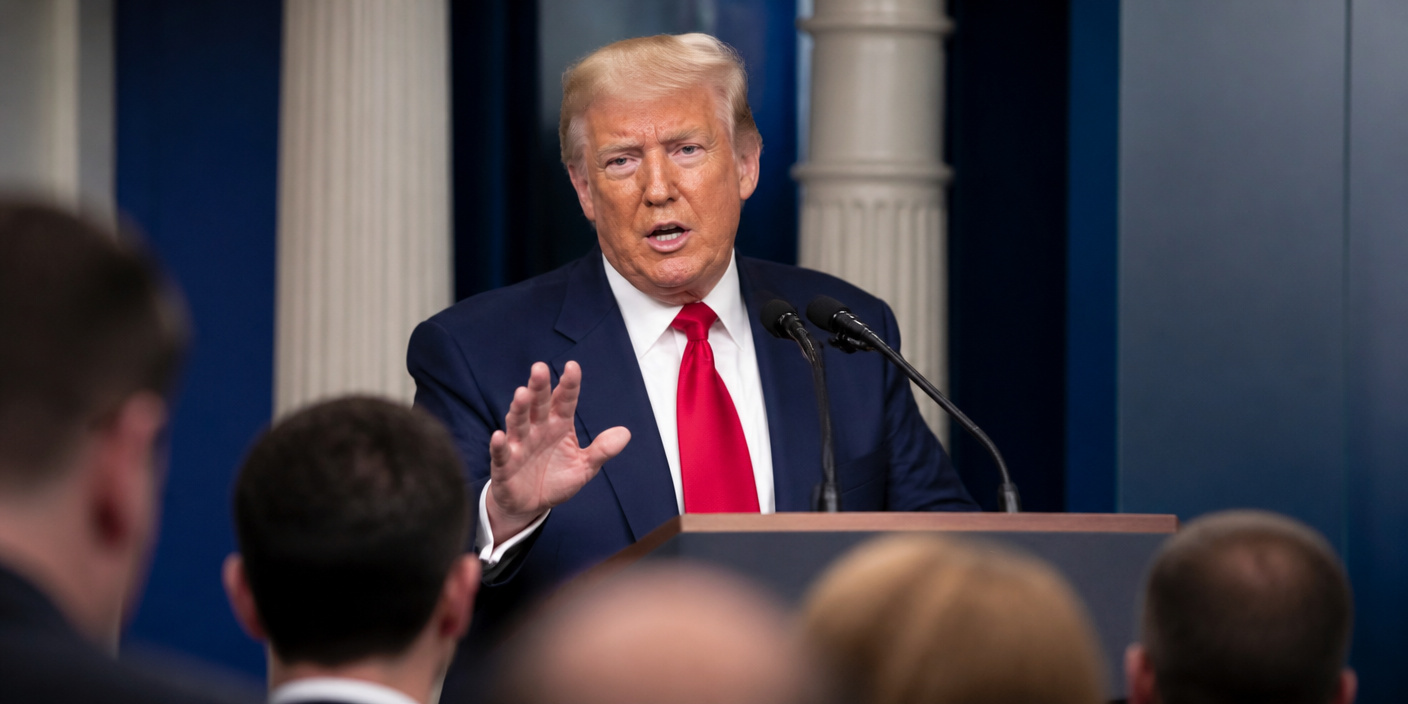
As the world watches with bated breath, a U.S. delegation led by Vice President JD Vance has arrived in Islamabad, Pakistan, for a pivotal round of negotiations with Iranian counterparts. The summit, which officially commences today, represents the most significant diplomatic engagement between the two nations since the 1979 Islamic Revolution. With a two-week ceasefire currently holding by a thread and global supply chains reeling from the blockade of the Strait of Hormuz, this meeting is being characterized by regional observers as a definitive “make-or-break” moment for global stability.
Key Highlights
- High-Level Delegation: Vice President JD Vance, accompanied by Special Envoy Steve Witkoff and Jared Kushner, is leading the U.S. efforts, signaling the Trump administration’s direct involvement in the negotiations.
- Core Sticking Points: Iran’s delegation, led by Parliament Speaker Mohammad Baqer Ghalibaf, has signaled that negotiations are contingent upon a ceasefire in Lebanon and the unfreezing of Iranian economic assets.
- The Hormuz Crisis: A central objective for Washington is the immediate reopening of the Strait of Hormuz, the critical maritime chokepoint that has seen a drastic reduction in oil flow due to the ongoing conflict.
- Diplomatic Host: Pakistan has positioned itself as the critical mediator, conducting unprecedented security lockdowns in Islamabad to ensure the safety and continuity of the talks.
- Shaky Ground: Despite the meeting, fighting between Israel and Hezbollah in Lebanon continues to complicate the diplomatic landscape, with both sides offering conflicting interpretations of the existing ceasefire terms.
The Islamabad Summit: A Diplomatic High-Wire Act
The arrival of the U.S. and Iranian delegations in Islamabad marks the end of weeks of intensifying regional volatility. The conflict, which ignited in late February, has evolved from localized skirmishes into a systemic global crisis. For President Donald Trump, the current summit is a test of his “peace through strength” doctrine—a strategy he has consistently articulated throughout the crisis. By dispatching a high-profile team including Vice President JD Vance, the administration is underscoring the gravity of these discussions.
However, the atmosphere in the Pakistani capital is anything but serene. The streets of Islamabad have been transformed into a security fortress, reflecting the high stakes involved. The central challenge lies in bridging the vast chasm between the two nations’ demands. While Washington remains focused on nuclear containment, the cessation of Iranian missile development, and the restoration of freedom of navigation in the Strait of Hormuz, Tehran is playing a multi-dimensional game. Iran’s negotiators are leveraging the regional conflict, specifically demanding that any comprehensive peace deal address the status of Hezbollah in Lebanon and the release of billions in sanctioned assets.
The Negotiating Table: Strategic Interests and Preconditions
The fundamental issue preventing a rapid de-escalation is a lack of consensus on the scope of the current ceasefire. Iran, backed by its parliamentary leadership, maintains that the existing truce was intended to be comprehensive, covering not just the direct U.S.-Iran hostilities but also the broader regional conflicts, particularly the war in Lebanon. Conversely, the U.S. and its regional allies have consistently argued that the conflict with Hezbollah is a distinct, separate operational theatre that does not fall under the purview of the Iran-U.S. ceasefire agreement.
This discrepancy creates a dangerous feedback loop. Every time an Israeli strike hits Hezbollah targets in Lebanon, Tehran views it as a violation of the ceasefire, prompting a recalibration of their negotiating stance. This “moving target” approach to diplomacy has frustrated Washington, leading to the stern rhetoric emanating from the Trump administration. President Trump’s recent warnings—suggesting that Iran has “no cards” and that negotiations are the only path to survival—illustrate the pressure being exerted on the Iranian delegation. The presence of Jared Kushner in the delegation also suggests that the U.S. is looking for creative, non-traditional solutions, potentially tying regional economic incentives to the security outcomes.
The Strategic Chokepoint: The Strait of Hormuz and Global Trade
Beyond the diplomatic posturing lies the cold reality of the global economy. The Strait of Hormuz, which facilitates the passage of approximately 20% of the world’s petroleum, has been under a de facto blockade by Iranian forces. This disruption has sent shockwaves through energy markets, causing the worst energy crisis in decades. For the global economy, the Islamabad summit is less about the abstract concept of peace and more about the concrete reality of energy security.


Washington’s primary objective is the total de-escalation of the Hormuz maritime situation. The administration has made it clear that it will not tolerate transit fees or obstruction of international waters. The potential for a permanent, negotiated solution here—perhaps involving an international monitoring force or a guarantees-based transit system—could be the biggest diplomatic “win” the administration seeks. However, Iran views the control of the Strait as its primary leverage. Relinquishing this would strip Tehran of its most potent strategic weapon. Consequently, negotiations over the Strait are expected to be the most contentious and guarded aspect of the summit.
The Role of Pakistan: Reclaiming Diplomatic Relevance
Pakistan’s selection as the host for these talks is a significant geopolitical development. For Islamabad, facilitating this meeting is a strategic opportunity to restore its credentials as a regional stabilizer and a credible diplomatic intermediary. By providing a secure, neutral ground, Pakistan is attempting to move past its recent domestic challenges and project an image of regional leadership.
This role is not without risk. Should the talks collapse, Pakistan’s reputation as a broker could be severely tarnished. Furthermore, the immense security burden of hosting these delegations—amidst the threat of extremist elements and the complexities of regional intelligence operations—is a massive undertaking. Pakistani Prime Minister Shehbaz Sharif has described this as a “make-or-break” moment, clearly signaling that Islamabad understands that the success of these talks will define the country’s regional standing for the remainder of the decade.
The Trump Doctrine: ‘Peace Through Strength’ Tested
The Islamabad summit serves as the ultimate litmus test for the 2026 iteration of the Trump Doctrine. Since the war’s inception in late February, the administration has utilized a blend of existential threats—including warnings that Iranian civilization itself is at risk—and direct, high-stakes diplomacy. Critics argue this approach is inherently volatile, pushing the parties to the brink of nuclear escalation. Supporters, however, point to the very existence of these talks as proof that the strategy is functioning as intended: forcing a belligerent adversary to the table by removing all other viable options.
JD Vance’s role in this summit cannot be overstated. As the point person, he is responsible for maintaining the delicate balance between the administration’s aggressive public rhetoric and the pragmatic, often concession-heavy, reality of high-level negotiations. His success will likely determine whether the “two-week ceasefire” can be extended into a long-term peace treaty, or if the conflict will resume with even greater intensity upon the conclusion of the talks.
Looking Ahead: The Fragile Path to De-escalation
The outcome of the Islamabad talks remains highly uncertain. Even if a framework for a long-term ceasefire is achieved, the implementation phase will be fraught with potential pitfalls. Distrust between the U.S. and Iran is at an all-time high, and the regional actors—such as Israel, Saudi Arabia, and regional proxies—will likely continue to act in ways that may undermine the progress made in the conference rooms of the Serena Hotel.
Ultimately, the path forward requires more than just a signature on a document; it requires a structural change in the security architecture of the Middle East. Whether this summit produces a genuine breakthrough or merely provides a brief, tactical pause in a longer war remains the defining question of our time. As the delegations settle in for the weekend sessions, the world is waiting to see if these talks will be remembered as the beginning of a new era of stability or just another failed attempt to quell the fires of regional war.
FAQ: People Also Ask
1. Why were these talks scheduled in Islamabad?
Pakistan was chosen as the host due to its unique position as a regional power that maintains diplomatic channels with both the United States and Iran. It is viewed as a neutral territory where both sides could safely negotiate under the pressure of global scrutiny.
2. What is the most immediate goal for the U.S. in these negotiations?
For the U.S. delegation, the primary goal is the restoration of freedom of navigation in the Strait of Hormuz to alleviate the global energy crisis, coupled with the long-term goal of preventing Iran from acquiring or weaponizing nuclear capabilities.
3. What are Iran’s primary demands?
Iran is demanding a permanent ceasefire in Lebanon, the cessation of Israeli military actions against Hezbollah, and the unfreezing of Iranian financial assets that have been held under international sanctions.
4. Is this the first time these two nations have negotiated during this conflict?
While there have been back-channel communications and ceasefire negotiations, this is the first high-level, direct meeting between senior U.S. and Iranian delegations, representing a major escalation in the diplomatic process.