Skip to content
The Chicago Today
Quantum Aerospace
  • Home
  • Current News
  • Explore & Enjoy
  • Sports
  • Sound & Screen
  • Sip & Savor
  • Style & Innovation
  • Editors Take
Trending
September 16, 2026Google’s Thompson Center Revival: A Chicago Landmark Reborn September 16, 2026Guardians Rally to Stun White Sox 7-6 in AL Central Thriller September 16, 2026Chicago’s 2027 Stakes: Johnson Launches Reelection Bid September 16, 2026Saudi Air Defenses Neutralize Houthi Drone Threat Near Mecca September 15, 2026Ed Sheeran Tour in Crisis as Support Acts Exit in Solidarity September 15, 2026PCA’s 42nd HR Propels Cubs to Crucial 7-3 Win Over Braves September 15, 2026Momax Secures 2026 IFA ‘Best in Mobility’ Award in Berlin September 15, 2026Everywhere Social Club: Fresh American Concept Debuts on N. Broadway September 15, 2026Digital Premiere: ‘The End of Oak Street’ & ‘Nimrods’ Land September 14, 2026Bears Record-Setting 59-37 Rout of Panthers
The Chicago Today
The Chicago Today
  • Home
  • Current News
  • Explore & Enjoy
  • Sports
  • Sound & Screen
  • Sip & Savor
  • Style & Innovation
  • Editors Take
  • Blog
  • Forums
  • Shop
  • Contact
The Chicago Today
  Current News  Europe Slams US Over ‘Weak’ Russian Oil Sanction Loophole
Current News

Europe Slams US Over ‘Weak’ Russian Oil Sanction Loophole

Maoli MitchellMaoli Mitchell—March 13, 20260
FacebookX TwitterPinterestLinkedInTumblrRedditVKWhatsAppEmail

In a move that has sent shockwaves through the halls of Brussels, Europe rebukes US for temporarily lifting sanctions on Russian oil news today, marking a sharp departure from the previously unified Western front. The dispute centers on the U.S. Department of the Treasury’s decision to extend General License 8J, which allows U.S. financial institutions to process transactions related to energy with several major Russian banks. While Washington defends the move as a necessary measure to ensure global energy security and prevent domestic inflation, European officials have labeled the extension as a “strategic betrayal” that undermines the efficacy of the G7 oil price cap.

The Deep Dive

The Treasury’s Controversial Extension

The core of the conflict lies in the technicalities of international finance. The U.S. Office of Foreign Assets Control (OFAC) recently updated its guidelines, effectively allowing a six-month window where transactions involving the Central Bank of the Russian Federation remain permissible if they are related to energy production or distribution. This “carve-out” is designed to keep Russian crude flowing into global markets—thereby keeping prices low for American consumers—while technically maintaining the facade of a heavy sanctions regime.

However, the timing of this extension has been met with fierce resistance from the European Commission. “You cannot claim to be an ally in the fight for sovereignty while simultaneously providing the financial plumbing that keeps the aggressor’s economy afloat,” stated one senior EU diplomat under the condition of anonymity. The sentiment reflects a growing exhaustion in Europe, where energy prices remain significantly higher than in the United States, and where the proximity to the conflict makes the security stakes far more personal.

Europe rebukes US for temporarily lifting sanctions on Russian oil

More stories

Trump Dismisses AG Pam Bondi; Names Todd Blanche Successor

April 3, 2026

Current Global News: Bihar Polls Set, Nobel Medicine Prize Awarded for Immune Discovery, Gaza War Diplomacy Intensifies, and Border Tensions Flare

October 6, 2025

The ‘2026 is the New 2016’ Trend: Why Nostalgia is Dominating Social Media

January 26, 2026

Trending News: Oji Holdings Pioneers Wood-Based EUV Photoresist for 2nm Chips

February 19, 2026

As Europe rebukes US for temporarily lifting sanctions on Russian oil, the rhetorical escalation has reached the highest levels of the European Parliament. Critics argue that the U.S. is prioritizing its domestic political climate—specifically the need to keep gas prices stable ahead of a critical election cycle—over the long-term goal of de-escalating the conflict in Eastern Europe.

The EU, which has undergone a painful and expensive decoupling from Russian gas over the last three years, feels particularly aggrieved. Having invested billions in new infrastructure and alternative supply chains, European leaders view the American waiver as an unfair advantage that allows the U.S. to avoid the economic pain that Europe has already endured. This perceived double standard is creating a diplomatic vacuum that some fear could be exploited by Moscow to drive a wedge between the NATO allies.

The Failure of the Price Cap Mechanism

The dispute also highlights the systemic flaws in the G7-led oil price cap. Initially hailed as a masterstroke of economic warfare, the $60-per-barrel cap has been increasingly bypassed by a “shadow fleet” of tankers and non-Western insurance providers. By extending sanctions waivers, the U.S. is essentially acknowledging that the price cap alone is insufficient to control global markets without the direct participation of sanctioned Russian financial entities.

For Europe, the continuation of these waivers suggests that the Western strategy is moving away from total economic isolation and toward a “managed conflict” model. This shift is deeply unpopular in Eastern European capitals, such as Warsaw and Tallinn, where leaders have called for a complete embargo on all Russian energy products, regardless of the cost to the global economy.

The Geopolitical Ripple Effect

The fallout from this rebuke extends beyond energy. It signals a potential realignment in how the West manages its economic statecraft. If the U.S. and Europe cannot maintain a unified stance on the most critical sector of the Russian economy, the credibility of future sanctions packages—targeting technology, minerals, or dual-use goods—comes into question. Global markets are currently pricing in this uncertainty, with analysts warning that a fragmented Western policy could lead to increased hoarding of energy reserves and a more aggressive stance from OPEC+ members who see an opportunity to reassert control over pricing.

FAQ: People Also Ask

Q: Why did the U.S. decide to lift or waive these sanctions now?
A: The U.S. Treasury aims to prevent a sudden decrease in global oil supply, which would cause gas prices to spike. By allowing transactions with Russian banks for energy purposes, they ensure that oil continues to flow to international markets, keeping prices stable for U.S. and global consumers.

Q: What specific sanctions were affected?
A: The U.S. extended General License 8, which permits transactions with specific Russian financial institutions—including the Central Bank and Sberbank—as long as those transactions are related to the extraction, production, or transport of energy.

Q: How is Europe responding to this policy?
A: Europe has issued formal rebukes, with many leaders calling the move a “loophole” that weakens the collective effort to pressure the Russian economy. The EU is concerned that this lack of consistency makes their own economic sacrifices less effective.

FacebookX TwitterPinterestLinkedInTumblrRedditVKWhatsAppEmail

Maoli Mitchell

Maoli Mitchell is an editor and journalist with a keen focus on music and local news. At the helm of content creation, Maoli ensures that readers stay informed about the latest happenings in their community while also diving into the vibrant music scene that defines the area's cultural landscape. With a background in both editorial management and music journalism, Maoli has a talent for blending informative reporting with engaging storytelling. When not curating articles or conducting interviews, Maoli enjoys attending live performances, discovering new local bands, and exploring the diverse neighborhoods that inspire their work. Connect with Maoli to stay updated on the stories and sounds that make your community unique.

Quincy Jones Estate Sells Iconic Catalog to HarbourView
CTU May 1 Walkout: Politics Trumps Chicago Classrooms?
Related posts
  • Related posts
  • More from author
Current News

Saudi Air Defenses Neutralize Houthi Drone Threat Near Mecca

September 16, 20260
Current News

AL Central Showdown: White Sox-Guardians Series With Playoff Life on the Line

September 14, 20260
Current News

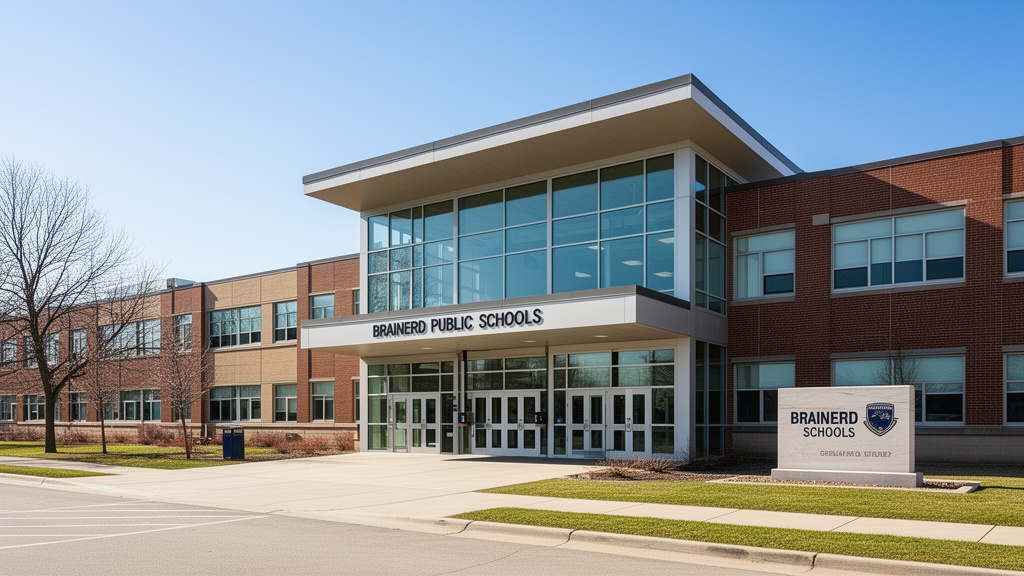
Brainerd Schools Overhaul Student Support After Summer Tragedies

September 11, 20260
Load more
Read also
Headlines

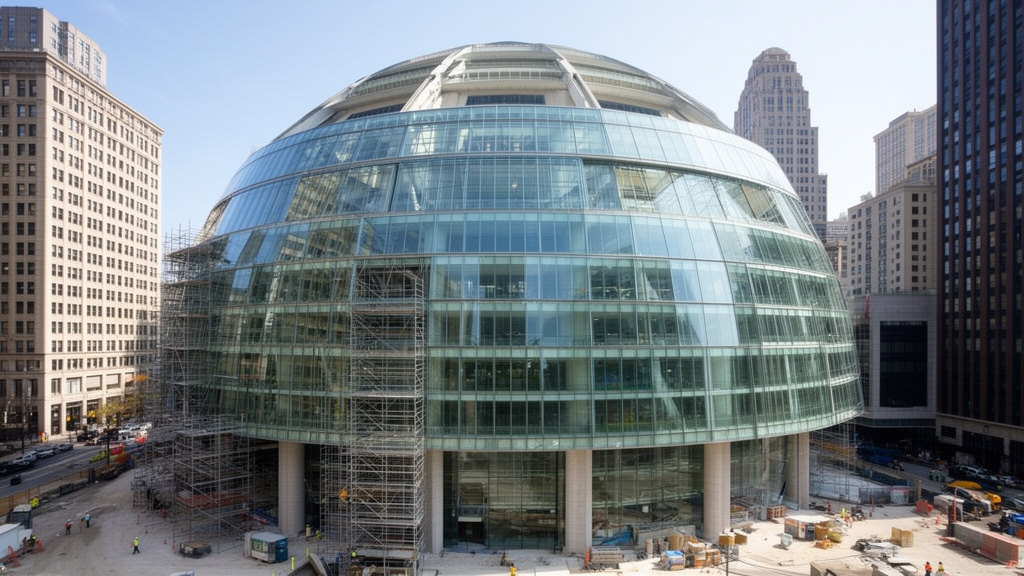
Google’s Thompson Center Revival: A Chicago Landmark Reborn

September 16, 20260
Featured

Guardians Rally to Stun White Sox 7-6 in AL Central Thriller

September 16, 20260
Editors Take

Chicago’s 2027 Stakes: Johnson Launches Reelection Bid

September 16, 20260
Current News

Saudi Air Defenses Neutralize Houthi Drone Threat Near Mecca

September 16, 20260
Sound & Screen

Ed Sheeran Tour in Crisis as Support Acts Exit in Solidarity

September 15, 20260
Sports

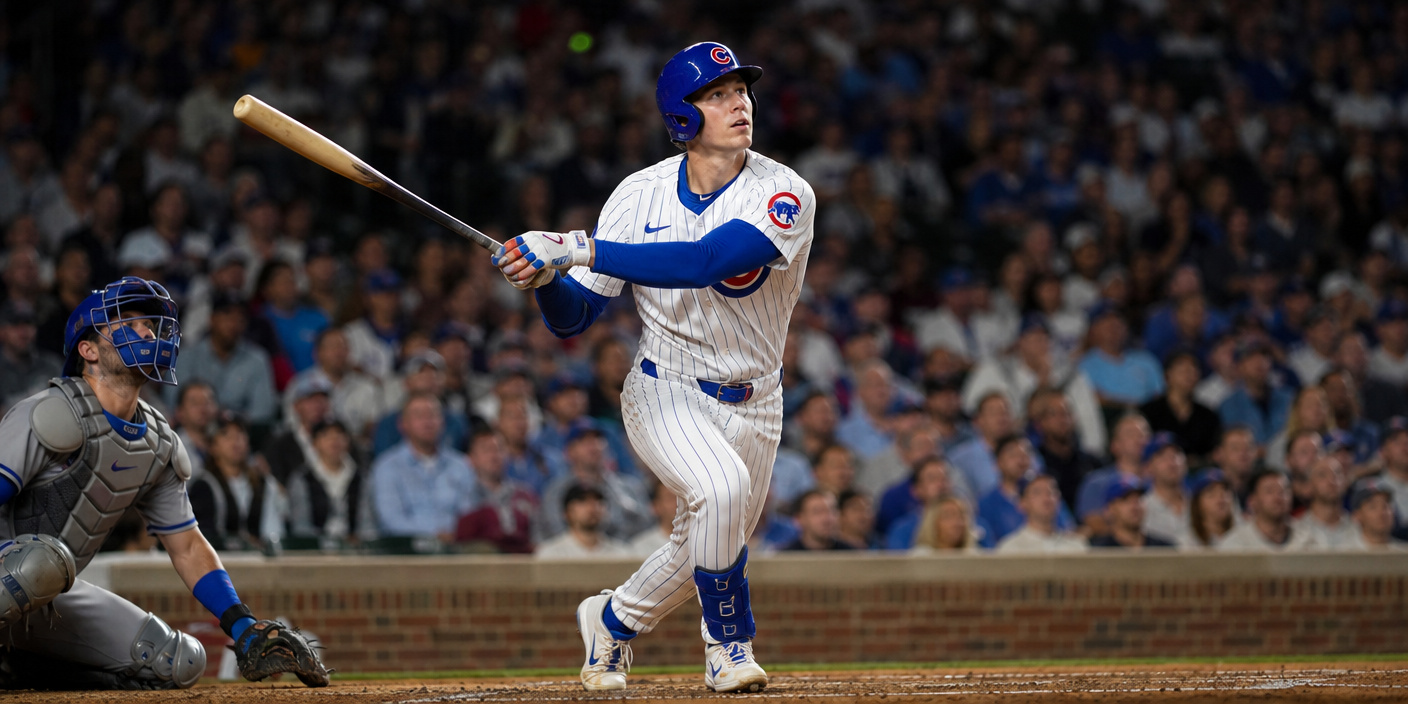
PCA’s 42nd HR Propels Cubs to Crucial 7-3 Win Over Braves

September 15, 20260
Load more
Recent Posts
  • Google’s Thompson Center Revival: A Chicago Landmark Reborn September 16, 2026
  • Guardians Rally to Stun White Sox 7-6 in AL Central Thriller September 16, 2026
  • Chicago’s 2027 Stakes: Johnson Launches Reelection Bid September 16, 2026
  • Saudi Air Defenses Neutralize Houthi Drone Threat Near Mecca September 16, 2026
  • Ed Sheeran Tour in Crisis as Support Acts Exit in Solidarity September 15, 2026

    # TRENDING

    chicago20252026aiFashionStreamingreviewaccountabilityinnovationfundingfestivalmusicnetflixalbumculinaryactionacquisitionnascarhululineup
    © 2024 All Rights Reserved by Chicago Today
    • Contact
    • Cookie Policy
    • Privacy Policy
    The Chicago Today
    Manage Consent
    To provide the best experiences, we use technologies like cookies to store and/or access device information. Consenting to these technologies will allow us to process data such as browsing behavior or unique IDs on this site. Not consenting or withdrawing consent, may adversely affect certain features and functions.
    Functional Always active
    The technical storage or access is strictly necessary for the legitimate purpose of enabling the use of a specific service explicitly requested by the subscriber or user, or for the sole purpose of carrying out the transmission of a communication over an electronic communications network.
    Preferences
    The technical storage or access is necessary for the legitimate purpose of storing preferences that are not requested by the subscriber or user.
    Statistics
    The technical storage or access that is used exclusively for statistical purposes. The technical storage or access that is used exclusively for anonymous statistical purposes. Without a subpoena, voluntary compliance on the part of your Internet Service Provider, or additional records from a third party, information stored or retrieved for this purpose alone cannot usually be used to identify you.
    Marketing
    The technical storage or access is required to create user profiles to send advertising, or to track the user on a website or across several websites for similar marketing purposes.
    • Manage options
    • Manage services
    • Manage {vendor_count} vendors
    • Read more about these purposes
    View preferences
    • {title}
    • {title}
    • {title}