Chicago’s transit system remains the city’s lifeline, yet a new, comprehensive survey from NORC at the University of Chicago and WTTW News reveals a stark reality: perceptions of safety on the Chicago Transit Authority (CTA) are deeply fractured by race and geography. While the agency aggressively touts security upgrades, the data suggests that for many riders, these measures have yet to bridge the fundamental divide in how different communities experience the daily commute.
Key Highlights
- Polarized Perspectives: Safety perceptions remain highly polarized across racial lines, with significant disparities reported between Black, Hispanic, and White riders regarding their comfort levels on trains and buses.
- The Geography of Risk: The survey highlights that geography plays a decisive role, as residents from different Chicago neighborhoods report wildly varying experiences with crime, disorder, and overall system reliability.
- The Trust Deficit: There is a notable disconnect between official CTA messaging regarding security improvements and the actual sentiment of frequent riders, suggesting a deep-seated crisis of institutional trust.
- Economic Barriers: The report underscores how feelings of insecurity disproportionately impact lower-income riders, effectively creating “transit deserts” where the cost of alternative transportation—such as rideshares—is a prohibitive burden.
Unpacking the Perception Gap: A Transit System Under Pressure
The Chicago Transit Authority serves as the circulatory system of the city, moving hundreds of thousands of residents daily. However, the NORC at the University of Chicago and WTTW News survey serves as a corrective to any “one-size-fits-all” narrative regarding the CTA’s performance. The findings indicate that the CTA is not a monolithic experience; rather, it is a mosaic of different realities defined by the rider’s background and zip code.
The Racialized Experience of Transit
Perhaps the most pressing finding in the NORC/WTTW data is the racial disparity in safety perceptions. While the CTA has implemented various initiatives—including the “Meeting the Moment” action plan—the survey suggests that policy interventions are not being felt equally. Black and Hispanic riders, who are statistically more likely to rely on public transit as their primary mode of transportation, reported lower feelings of safety compared to their White counterparts.
This gap is not merely a matter of anecdotal anxiety. It correlates with systemic issues, including the visible presence of security personnel, the frequency of disruptive incidents on specific lines, and the overall maintenance of station infrastructure in historically disinvested neighborhoods. For many riders of color, the CTA is not just a mode of travel; it is a space where they report feeling scrutinized or, conversely, ignored in times of distress.
The Geography of Fear: North vs. South vs. West
Geography acts as a multiplier of these perceptions. The survey maps out a distinct “geography of fear” that tracks closely with the city’s historic residential segregation. Riders on the North Side, while not immune to safety concerns, often report higher levels of comfort than those navigating the Red Line extensions or the Green and Blue lines serving the South and West sides.



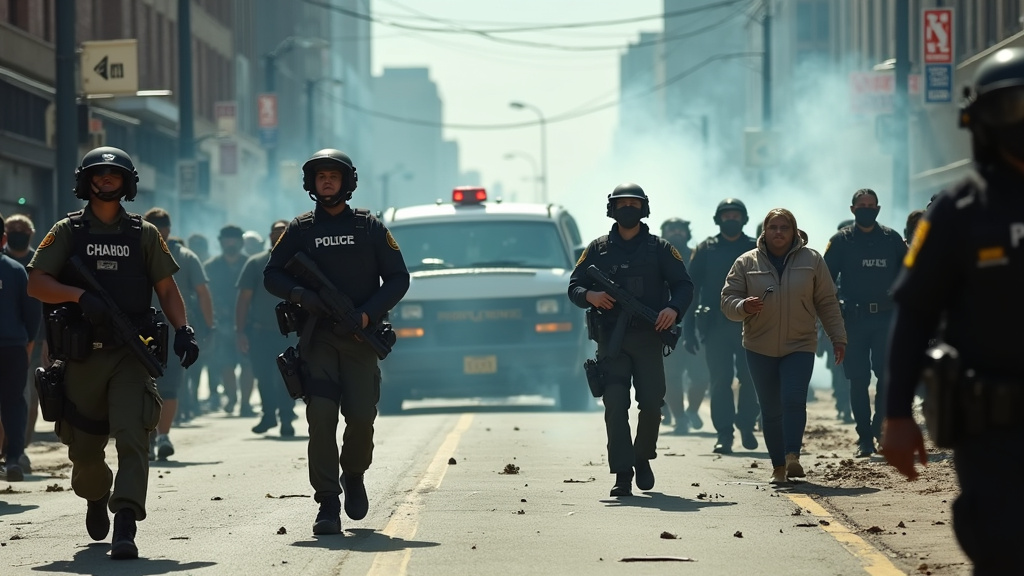
This isn’t just about crime statistics—which can be volatile and difficult for the average rider to track in real-time. It is about the “eyes on the street” effect. Riders in neighborhoods with lower service frequency, longer wait times at poorly lit stations, and fewer active personnel report higher apprehension. The NORC data illuminates how an empty station at 10:00 PM creates a vastly different risk profile in Englewood compared to Lincoln Park, reinforcing the need for neighborhood-specific security strategies rather than broad, centralized policies.
The Trust Deficit and Institutional Inertia
Why haven’t CTA security improvements, which include the deployment of private security guards and increased police presence, moved the needle on public perception? The survey results point to a “trust deficit.” When riders do not see improvements in service reliability, cleanliness, or consistent enforcement of code-of-conduct policies, they are less likely to believe that the agency’s safety rhetoric matches the on-the-ground reality.
This skepticism creates a vicious cycle. Lower ridership due to perceived safety concerns leads to less active presence on trains, which can make those spaces feel more desolate and dangerous. It is a feedback loop that the CTA leadership must acknowledge to regain the public’s confidence.
Secondary Angles: Economic Impact and Future Outlook
To fully understand this crisis, we must look beyond the immediate survey data at three secondary factors:
1. The Economic Burden of Transit Deserts: For those who feel unsafe on the CTA, the alternative is often an expensive Uber or Lyft ride. This creates an “insecurity tax” on the lowest-income residents of Chicago, effectively limiting their access to employment and social opportunities.
2. Historical Disinvestment: The CTA’s current challenges are not occurring in a vacuum. Decades of disinvestment in South and West Side transit infrastructure have created a legacy of mistrust that current security measures, which are often viewed as punitive rather than supportive, struggle to overcome.
3. The Post-Pandemic Pivot: As the CTA attempts to court riders back, the agency must recognize that safety is not just about crime prevention—it is about the rider experience. A modernized, reliable, and visibly cared-for system is often the most effective deterrent to anti-social behavior.
Ultimately, the NORC and WTTW survey serves as a vital diagnostic tool. It tells the CTA that while technical fixes—cameras, lights, guards—are necessary, they are insufficient if they do not address the social and emotional realities of the people who rely on the system to survive. Chicagoans are not asking for a fortress; they are asking for a transit system that is safe, equitable, and dignified for everyone, regardless of where they live or the color of their skin.
FAQ: People Also Ask
1. What was the core methodology used in the NORC/WTTW survey?
The survey was a robust, statistically significant study conducted by NORC at the University of Chicago in partnership with WTTW News. It utilized a stratified random sampling method to ensure that opinions from across Chicago’s diverse racial, economic, and geographic demographics were captured, allowing for an accurate representation of the city’s transit ridership.
2. Why do safety perceptions differ so sharply by race?
The data suggests that experiences on the CTA are filtered through broader societal lenses. Riders of color often face a compounded experience of environmental disorder, disparate policing, and historical systemic neglect, all of which contribute to a lower baseline of comfort and perceived safety compared to White riders.
3. How has the CTA responded to these safety concerns?
The CTA has implemented its “Meeting the Moment” plan, which includes hiring more personnel, upgrading station lighting, deploying more private security, and coordinating more closely with the Chicago Police Department. However, the survey suggests these visible measures have yet to fundamentally shift the perception of safety for the most vulnerable populations.
4. Is there a correlation between crime statistics and survey perceptions?
Yes, but it is complex. While actual crime rates on the CTA fluctuate, the survey shows that “fear of crime”—driven by visible disorder, such as loitering, substance use, and lack of staff presence—often outpaces the raw crime statistics in shaping public opinion. The perception of safety is driven as much by the “vibe” of the station as it is by official police reports.