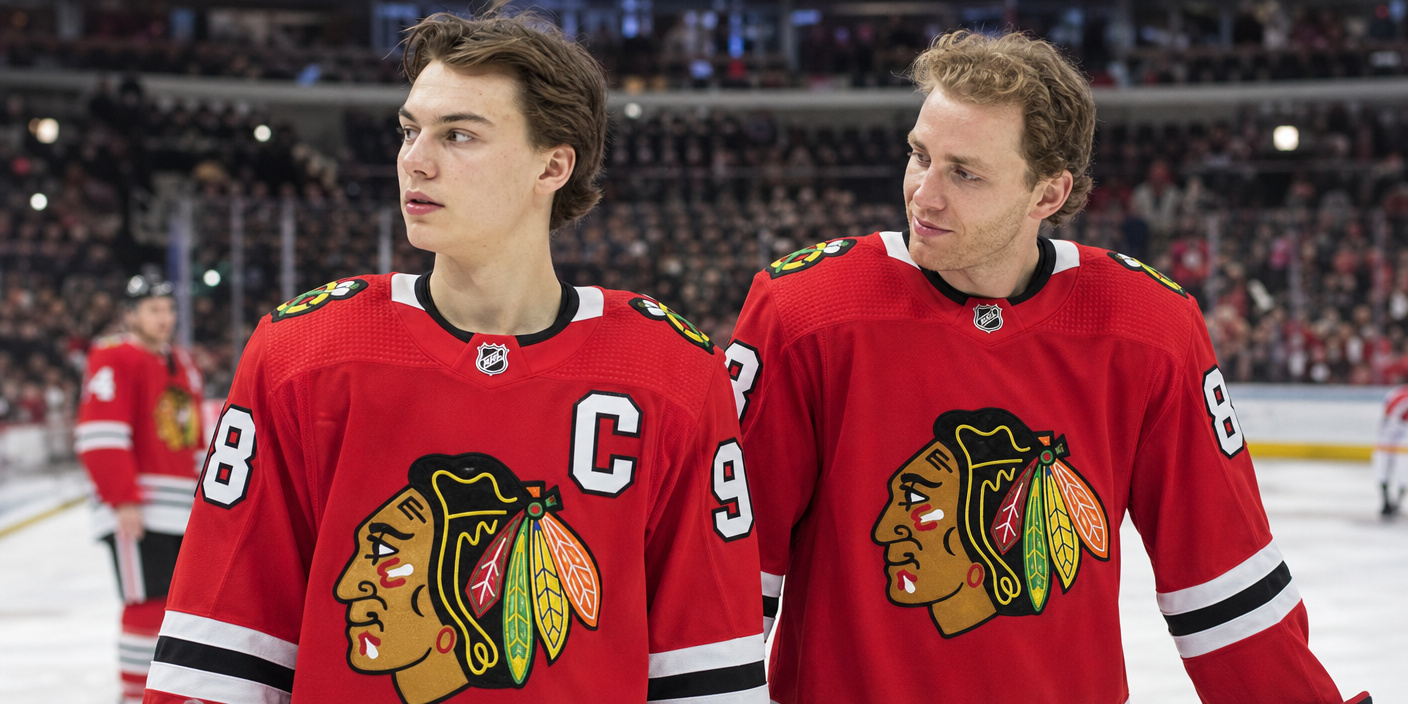
In a move that signals the beginning of a transformative era for one of the NHL’s most storied franchises, the Chicago Blackhawks have officially appointed Connor Bedard as the 37th captain in team history. The decision, announced by the front office ahead of the 2026-27 campaign, places the captaincy squarely on the shoulders of the 21-year-old superstar, marking the end of the leadership tenure of veteran forward Nick Foligno. This transition serves as a clear declaration that the Blackhawks’ rebuild phase is officially over, and the team is entering a period of aggressive, identity-focused competition led by their franchise cornerstone.
Key Highlights
- Franchise Milestone: Connor Bedard becomes the 37th individual to captain the Chicago Blackhawks, joining a prestigious lineage of historic NHL leaders.
- Leadership Transition: The move marks a definitive handoff from veteran Nick Foligno, who served as a vital bridge leader during the team’s developmental years.
- The 2026-27 Mandate: Bedard assumes the captaincy at age 21, signaling management’s full trust in his on-ice production and off-ice influence as the team pushes for postseason relevance.
- Strategic Shift: The appointment aligns with a broader organizational philosophy focused on establishing a permanent identity around the league’s most dynamic young talent.
The Weight of the ‘C’: A Cultural Shift in Chicago
For decades, the captaincy of the Chicago Blackhawks has carried a weight far heavier than the fabric of the jersey itself. Historically, the ‘C’ has been worn by icons who defined the franchise’s championship windows. By entrusting Connor Bedard with the honor, the organization is not merely naming its best player as the leader; it is betting on the maturity and long-term vision of a 21-year-old who has thrived under the most intense scrutiny in professional hockey. The selection of Bedard suggests that the front office perceives him not just as a statistical machine, but as a stabilizing force in the locker room.
Transitioning from the Foligno Era



Nick Foligno’s time as captain was defined by his role as a mentor and a steadying presence. When Foligno took the mantle, the Blackhawks were in a precarious position, navigating the early tremors of a massive rebuild. His ability to insulate the younger players from the pressures of a losing record allowed talent like Bedard to develop without the existential burden of captaincy. With the team now trending upward, the logic of the transition is clear: the team no longer requires a ‘bridge’ leader; they require a North Star. Bedard’s promotion is the final component of a strategy aimed at establishing a permanent, high-performance culture.
On-Ice Identity and Future Implications
From a tactical standpoint, captaincy often reflects the team’s identity. Under Bedard’s leadership, the Blackhawks are expected to adopt a more aggressive, puck-dominant style of play. As the central figure of the organization’s tactical scheme, Bedard’s voice in the locker room will now extend to on-ice decisions, time management, and communication with the coaching staff. This move is expected to have a tangible impact on the team’s competitive rhythm. Opposing teams have long focused on neutralizing Bedard’s scoring; now, they must contend with a leader who controls the tempo and emotional regulation of the entire bench. This evolution into a captain-centric structure is a hallmark of contending teams, and the Blackhawks are clearly signaling their intent to join those ranks in the 2026-27 season.
The Economic and Brand Impact
Beyond the ice, this appointment is a massive asset for the Blackhawks’ brand. Bedard is a generational talent whose appeal transcends local hockey demographics. By formalizing his status as the face of the franchise via the captaincy, the organization is consolidating its marketing strategy. Fans can expect a rise in, and commitment to, a brand identity that centers on elite performance and youth-driven vitality. This is a critical factor for season ticket renewals, merchandise sales, and national broadcasting interest, all of which thrive when a team is anchored by a singular, recognizable leader of Bedard’s caliber.
FAQ: People Also Ask
Who was the Chicago Blackhawks captain before Connor Bedard?
Connor Bedard succeeds Nick Foligno, who served as the team’s captain during the preceding seasons of the rebuild. Foligno was widely credited with helping develop the team’s culture during a critical transition period.
Why was Bedard named captain at age 21?
The organization believes Bedard has demonstrated the necessary maturity, dedication, and on-ice dominance to lead the group. At 21, he represents the future of the franchise, and management decided that now is the appropriate time for him to fully assume the responsibilities of the captaincy.
What does this change mean for the Blackhawks’ 2026-27 season?
It signifies a pivot from a development-focused mentality to a competitive, results-oriented strategy. With Bedard as the established leader, the team is expected to push harder for playoff contention and solidify a consistent winning identity.
Has a 21-year-old captained the Blackhawks before?
While captains vary in age, naming such a young player is a significant statement of trust. It places Bedard in a rare category of franchise leaders who are tasked with defining an era early in their professional careers.